
Stress is a universal human experience. It acts as an internal alarm system, alerting your body to potential threats, demands, or changes in your environment. While a certain amount of tension can motivate you to meet deadlines or perform well under pressure, unmanaged anxiety can severely damage your long-term health.
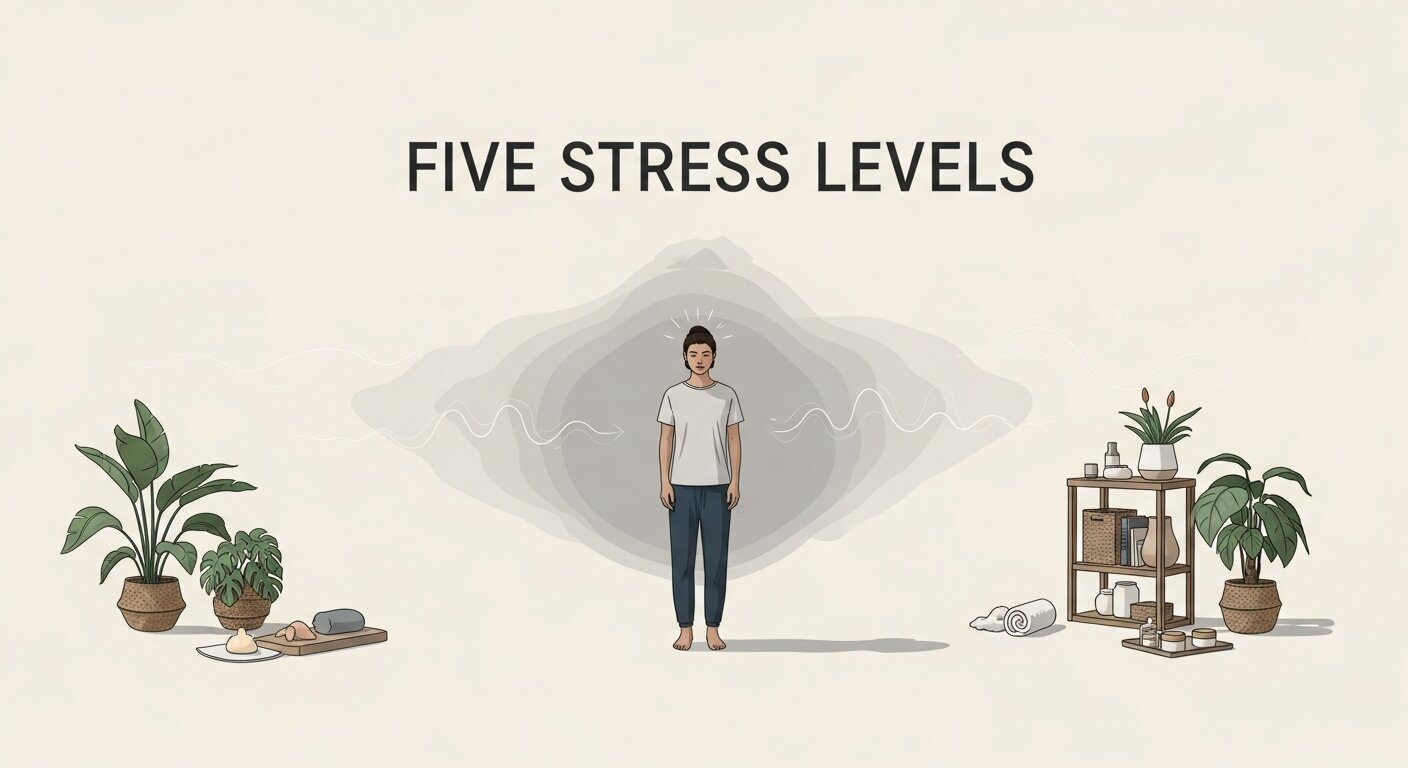
Understanding how your body reacts to pressure is the first step toward improving your overall well-being. Many people feel overwhelmed because they cannot accurately identify their emotional state. By learning how to categorize your feelings and understand what are the five stress levels, you can apply the right coping strategies at the right time before stress becomes overwhelming.
If you want to protect your mental and physical health, understanding what are the five stress levels
Stages of Stress Response
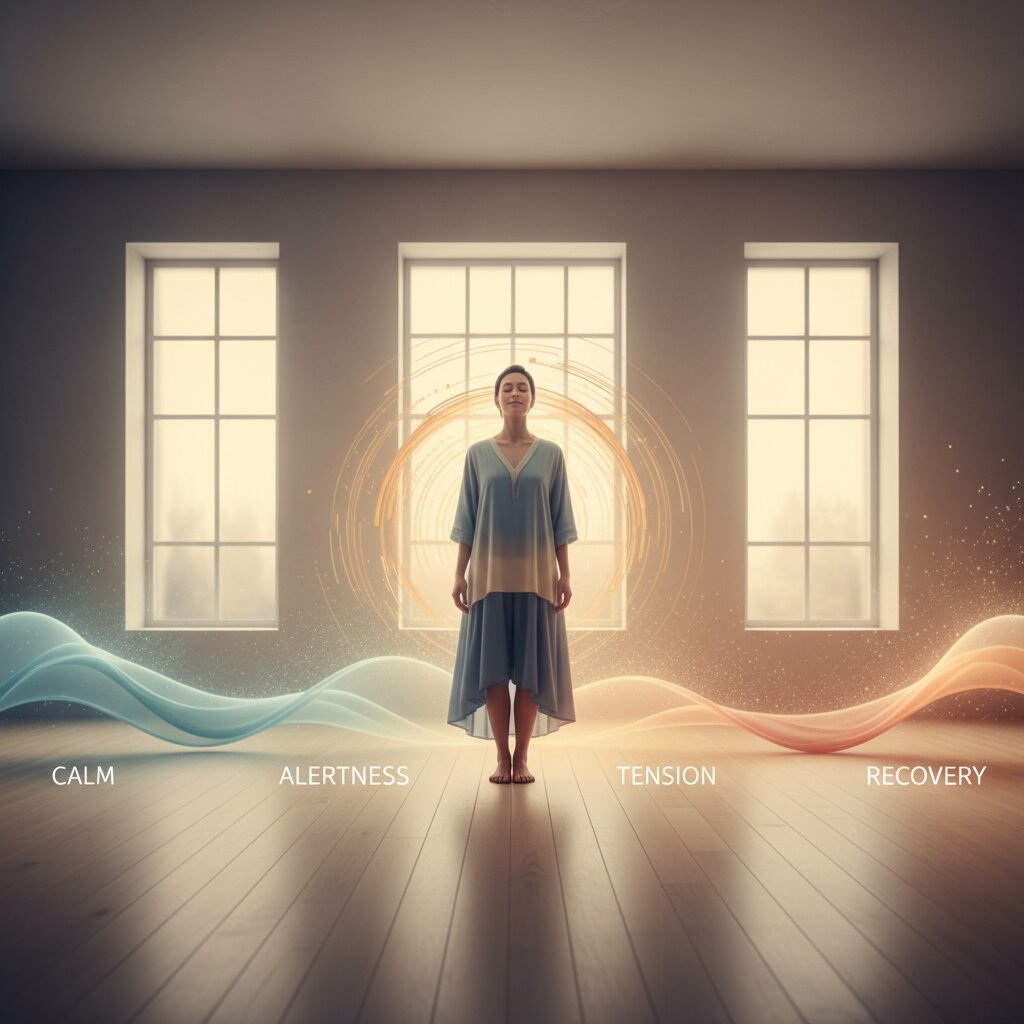
Before examining the specific levels of tension, it helps to understand the nervous system stress response stages. When you encounter a stressor, your body undergoes a physiological reaction known as General Adaptation Syndrome (GAS). This process occurs in three distinct phases.
The first phase is the alarm reaction. Your brain perceives a threat and releases adrenaline and cortisol. Your heart rate increases, your breathing quickens, and you prepare to either confront the challenge or flee from it.
If the stressor persists, your body enters the resistance stage. Your system tries to repair itself and return to a normal baseline. However, if the situation remains unresolved, your body continues to secrete stress hormones, keeping your blood pressure elevated and your muscles tense.
Finally, prolonged exposure leads to the exhaustion phase. Your physical and emotional resources become entirely depleted. This stage severely weakens your immune system and puts you at a high risk for burnout, fatigue, and serious medical conditions.
Different Levels of Stress Explained
Understanding mild to severe stress requires looking at how tension manifests in daily life. When experts answer the question of what are the five stress levels, they generally categorize them from a state of under-stimulation to severe, long-term overload.
Level 1: Hypostress
Hypostress occurs when you lack stimulation. When you have no challenges, goals, or demands, you might feel restless, bored, and unmotivated. While it sounds relaxing, chronic hypostress can actually lead to depression and a deep sense of dissatisfaction with life.
Level 2: Eustress
Eustress is positive stress. This is the energizing feeling you get when you ride a roller coaster, start a new job, or plan a wedding. It keeps you engaged, motivated, and productive without overwhelming your nervous system.
Level 3: Acute Stress
Acute stress is the most common form. It happens in response to a specific, immediate event. Getting a parking ticket, having a minor argument, or giving a public speech can trigger this level. It passes quickly once the event is over, leaving no permanent damage.
Level 4: Episodic Acute Stress
When acute stress happens frequently, it becomes episodic. People experiencing this level often take on too many responsibilities and constantly feel rushed or disorganized. They live in a state of perpetual crisis, which can strain relationships and lead to persistent health issues.
Level 5: Chronic Stress
Chronic stress is a constant, grinding pressure that lasts for months or even years. Poverty, deeply unhappy marriages, or highly demanding careers often cause this level. People suffering from chronic stress may feel completely trapped and often lose hope that their situation will ever improve.
Recognizing High Stress Warning Signs

Identifying your current state requires paying close attention to your body and mind. The signs of emotional stress levels often appear long before severe physical symptoms develop. You might notice yourself becoming easily irritated by minor inconveniences or feeling constantly on edge. A lack of motivation, sudden mood swings, and a general sense of overwhelm are strong indicators that your tension levels are rising.
Physical symptoms of chronic stress present a much more severe warning. Your body will physically demand a break if you push it too far. Common indicators include frequent tension headaches, unexplained muscle pain, and severe digestive issues. Many people also experience a racing heartbeat, insomnia, and a weakened immune system that leads to frequent colds and infections.
How Stress Affects Mental Health
The link between high tension and mental well-being is undeniable. When your brain is constantly flooded with cortisol, it alters your brain chemistry. This ongoing chemical imbalance makes it incredibly difficult to regulate emotions.
Over time, untreated pressure significantly increases your risk of developing anxiety disorders. You might start experiencing panic attacks or find yourself constantly worrying about the future. Furthermore, the exhaustion that accompanies high tension often leads to clinical depression. You may lose interest in activities you once enjoyed, withdraw from friends and family, and struggle to find any joy in your daily routine.
Stress Level Assessment Guide
Evaluating your current emotional state is a vital part of self-care. You can conduct a simple self-assessment by asking yourself a few targeted questions.
First, look at your sleep patterns. Are you sleeping too much or struggling to fall asleep at night? Next, evaluate your physical comfort. Do you have unexplained aches, pains, or constant jaw clenching? Finally, track your emotional reactions for a few days. If you find yourself snapping at loved ones or crying over small mistakes, you are likely operating at a highly elevated level of tension.
Stress Management Techniques by Level

Handling pressure effectively means applying the right tools for your specific situation. Here are targeted strategies based on your current state:
Managing Hypostress and Eustress
If you lack stimulation, find a new hobby or set a challenging personal goal. For eustress, simply enjoy the motivation it provides, but ensure you schedule downtime so it does not escalate into acute anxiety.
Managing Acute Stress
Deep breathing exercises work best for immediate, short-term tension. When you feel a sudden spike in anxiety, practice inhaling for four seconds, holding for four seconds, and exhaling for four seconds. Taking a short walk or practicing mindfulness can also help reset your nervous system.
Managing Episodic and Chronic Stress
These severe levels require significant lifestyle changes. You must learn to set strict boundaries and say no to additional responsibilities. Regular cardiovascular exercise is essential for burning off excess cortisol. In cases of chronic tension, professional therapy is highly recommended. A mental health professional can help you develop robust coping mechanisms and work through deeply ingrained behavioral patterns.
How the Brain Processes Stress Signals
The brain plays a central role in how stress is detected and managed. When you experience a stressful situation, the amygdala immediately evaluates it as a potential threat and sends signals to the hypothalamus. This triggers the release of stress hormones like cortisol and adrenaline, preparing the body for action.
Understanding this process is important when studying what are the five stress levels, because each level reflects how frequently and intensely this brain response is activated. In mild cases, the brain quickly returns to balance, but in chronic stress, the signal stays “on,” keeping the body in a prolonged alert state.
The Role of Hormones in Stress Regulation
Hormones such as cortisol, adrenaline, and norepinephrine directly influence how your body reacts to stress. Cortisol, often called the “stress hormone,” helps regulate energy levels during pressure but becomes harmful when elevated for too long.
When learning what are the five stress levels, it becomes clear that higher levels of stress are closely linked to hormonal imbalance. Persistent elevation of these hormones can disrupt sleep, metabolism, immune function, and emotional stability, making stress management essential for overall health.
Environmental Triggers That Increase Stress Levels
Your environment has a major impact on how stress develops and escalates. Loud noise, cluttered spaces, poor lighting, and constant interruptions can all increase your stress response without you realizing it.
Modern digital environments also contribute significantly. Constant notifications, emails, and social media updates keep the brain in a reactive state. This is especially important when understanding what are the five stress levels, as repeated exposure to environmental stressors can push a person from acute stress into episodic or chronic stages over time.
Frequently Asked Questions
What are the five stress levels?
The five levels are hypostress (under-stimulation), eustress (positive stress), acute stress (short-term), episodic acute stress (frequent short-term), and chronic stress (long-term).
Is all stress bad for you?
No. When learning what are the five stress levels, it is important to understand that not all stress is harmful. Eustress is a positive form of tension that keeps you motivated, energized, and focused on achieving your goals.
What is the most dangerous level of stress?
Among the five stress levels, chronic stress is considered the most dangerous because it gradually damages both physical and mental health over time and may lead to serious medical conditions.
How can I tell if I have episodic acute stress?
If you constantly feel rushed, overwhelmed, or trapped in ongoing crises, you may be experiencing episodic acute stress. Understanding what are the five stress levels can help you recognize these patterns earlier.
What does hypostress feel like?
Hypostress is one of the five stress levels and usually feels like boredom, restlessness, low motivation, and a lack of mental stimulation in daily life.
Can high stress levels cause physical pain?
Yes. High tension levels can lead to physical symptoms such as muscle stiffness, headaches, jaw pain, and digestive discomfort. This is why understanding what are the five stress levels is important for overall health awareness.
How do I lower my acute stress quickly?
To manage acute stress quickly, try deep breathing exercises, take a short break from the stressful situation, or drink cold water. These simple techniques can help regulate your response within the five stress levels framework.
When should I see a doctor about my stress?
You should seek professional help if stress begins affecting your sleep, appetite, relationships, or daily functioning. Recognizing what are the five stress levels can help determine when stress has become too severe to manage alone.
Can stress cause long-term mental health problems?
Yes. Long-term exposure to severe stress levels can increase the risk of anxiety disorders, depression, and emotional burnout. Understanding what are the five stress levels helps identify these risks before they worsen.
What is the first stage of the stress response?
The first stage is the alarm reaction, commonly known as the “fight or flight” response, where your body releases adrenaline.
How does exercise help manage stress?
Exercise reduces the levels of cortisol in your body and stimulates the production of endorphins, which act as natural painkillers and mood elevators.
Can setting boundaries reduce stress?
Absolutely. Setting boundaries prevents you from taking on too many responsibilities, which directly reduces episodic acute stress.
What happens in the exhaustion stage of stress?
During the exhaustion stage, your body’s resources are completely depleted, leading to severe fatigue, burnout, and a weakened immune system.
Are there tools to measure my stress levels?
Yes. You can use self-assessment questionnaires, heart rate variability monitors, and mood-tracking journals to evaluate your tension.
Can diet affect my stress levels?
Yes. Consuming high amounts of caffeine and sugar can exacerbate anxiety, while a balanced diet helps stabilize your mood and energy.
Taking Control of Your Well-Being
Navigating the complexities of emotional health does not have to feel confusing or overwhelming. By understanding what are the five stress levels, you gain valuable insight into how your mind and body respond to different types of pressure. This awareness allows you to recognize stress triggers earlier, understand your emotional reactions more clearly, and choose healthier coping strategies before stress becomes unmanageable.
Paying attention to warning signs such as fatigue, irritability, poor sleep, or constant anxiety can help you identify where you may fall within the five stress levels. Simple daily habits like regular exercise, mindfulness, deep breathing, journaling, and setting healthy boundaries can make a major difference in keeping stress under control and supporting long-term mental wellness.
Your physical and emotional health are some of your most important assets, and learning what are the five stress levels can help you take a more proactive approach to self-care. If you feel stuck in chronic stress or emotional exhaustion, seeking professional guidance is a positive and responsible step. With consistent support and healthy stress-management practices, you can build resilience, improve your quality of life, and create a healthier, more balanced future.