
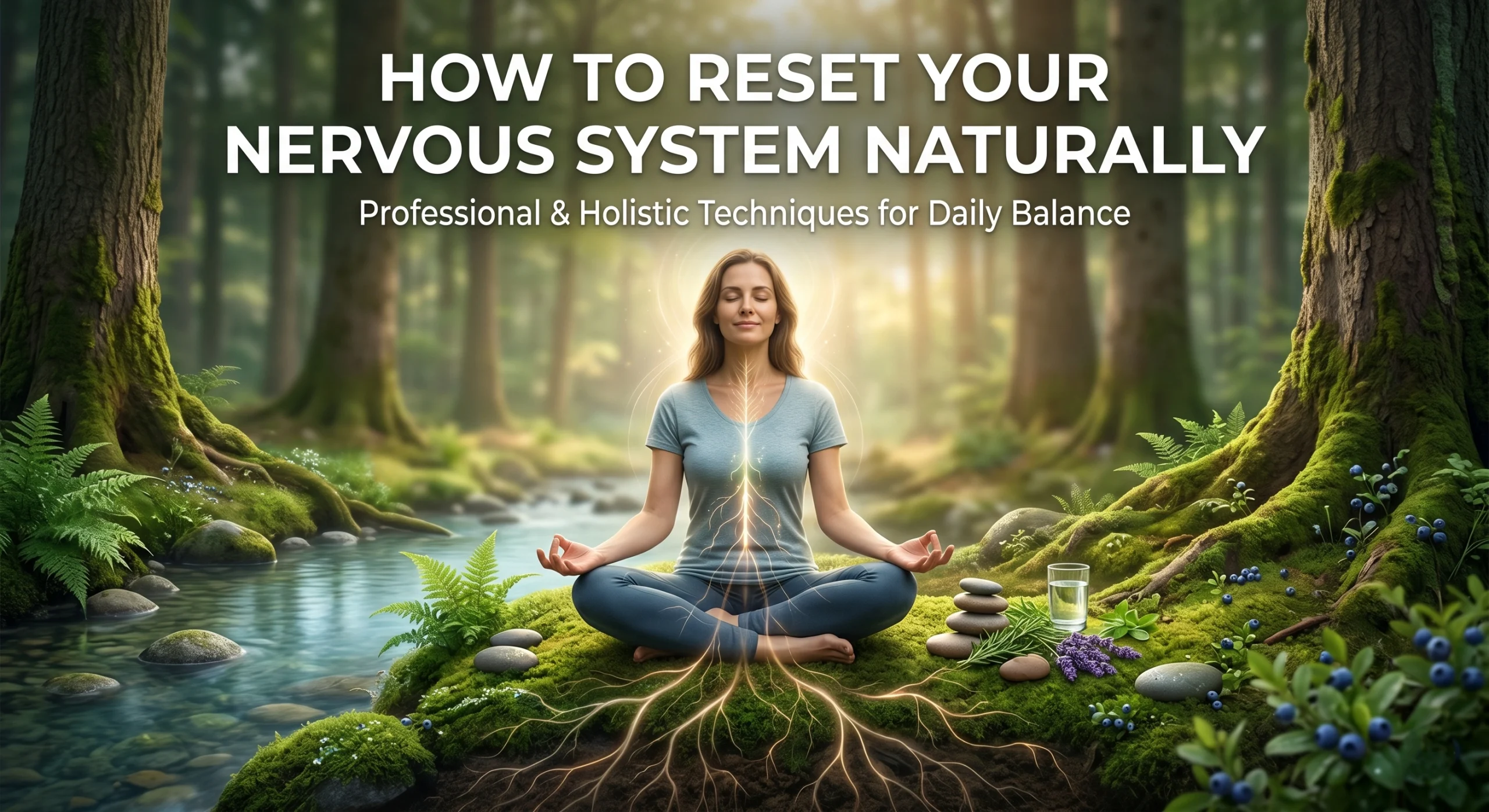
Feeling constantly on edge, overwhelmed, or exhausted often means your body is stuck in a state of high alert. When stress builds up, your biological alarm system remains active long after a threat has passed. This prolonged activation leaves you feeling drained and anxious.
Learning how to reset your nervous system is an essential skill for restoring balance to your mind and body. The human body is remarkably resilient, and it comes equipped with built-in mechanisms to switch off the fight-or-flight response. By understanding how to activate these natural pathways, you can guide your body back to a state of safety and rest.
This comprehensive guide covers actionable strategies to help you calm down and regulate your stress response. From quick breathing exercises to somatic healing practices, you will discover a variety of tools to relieve anxiety, reduce overstimulation, and regain control over your well-being.
Natural Ways to Reset Nervous System Quickly
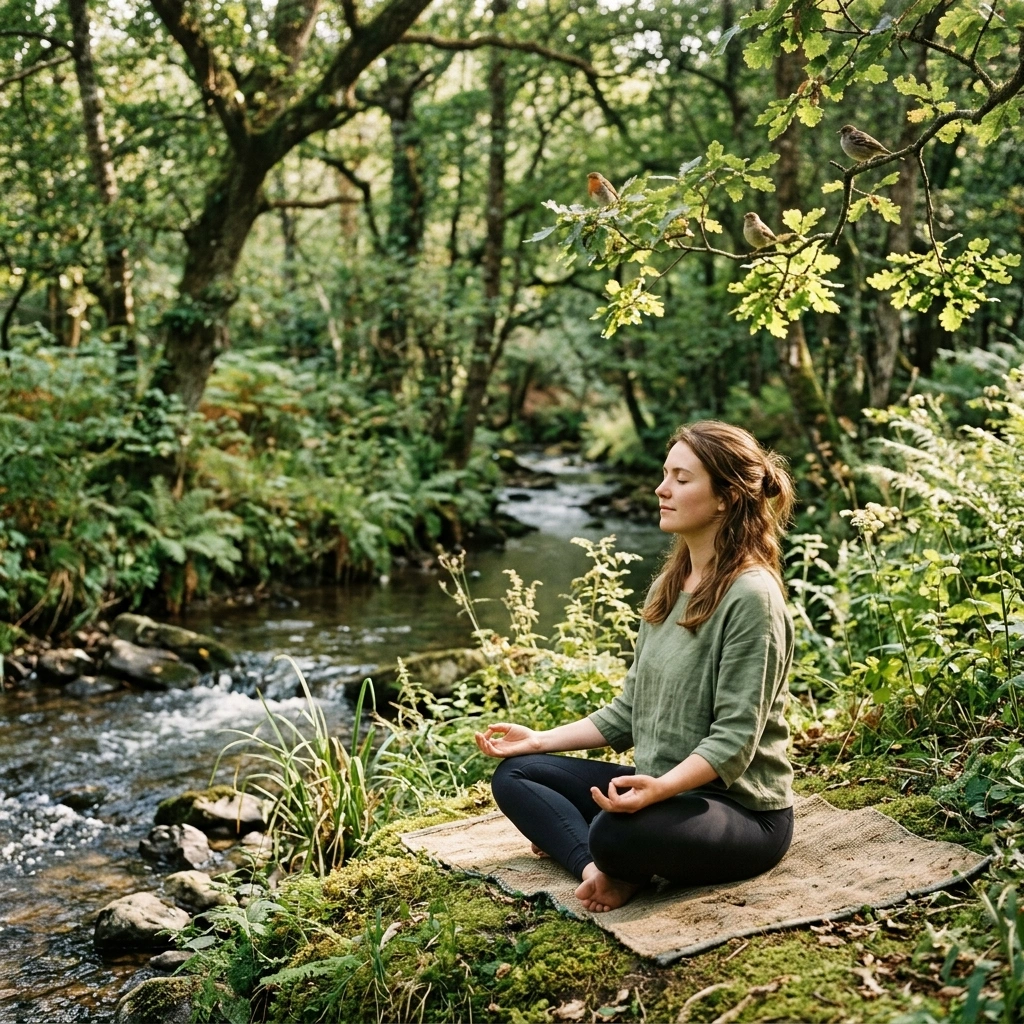
When anxiety peaks, you need immediate relief. Fortunately, several quick nervous system reset methods for anxiety relief can shift your physiology within minutes.
Temperature changes are highly effective for an immediate reset. Splashing cold water on your face or holding an ice cube stimulates the vagus nerve. This sudden cold exposure triggers the mammalian dive reflex, which naturally slows down your heart rate and promotes a feeling of calm.
Another fast method is visual orientation. When we feel stressed, our vision often narrows. Look around the room and find five distinct objects. Name their colors and shapes out loud. Expanding your peripheral vision signals to your brain that you are in a safe environment, helping to deactivate the threat response.
Nervous System Reset Techniques at Home
Breathing Exercises to Reset Nervous System
Breathwork is one of the most direct ways to communicate with your body. Slow, deliberate breathing exercises to reset nervous system function can yield powerful results.
Physiological sighing is a deeply studied technique. Take two quick inhales through your nose, followed by a long, slow exhale through your mouth. Repeating this pattern three to five times rapidly offloads carbon dioxide and reduces feelings of panic.
Box breathing is another excellent at-home method. Inhale for a count of four, hold for four, exhale for four, and hold empty for four. This structured rhythm stabilizes your heart rate and brings your focus away from racing thoughts.
How to Calm and Reset Your Nervous System Naturally
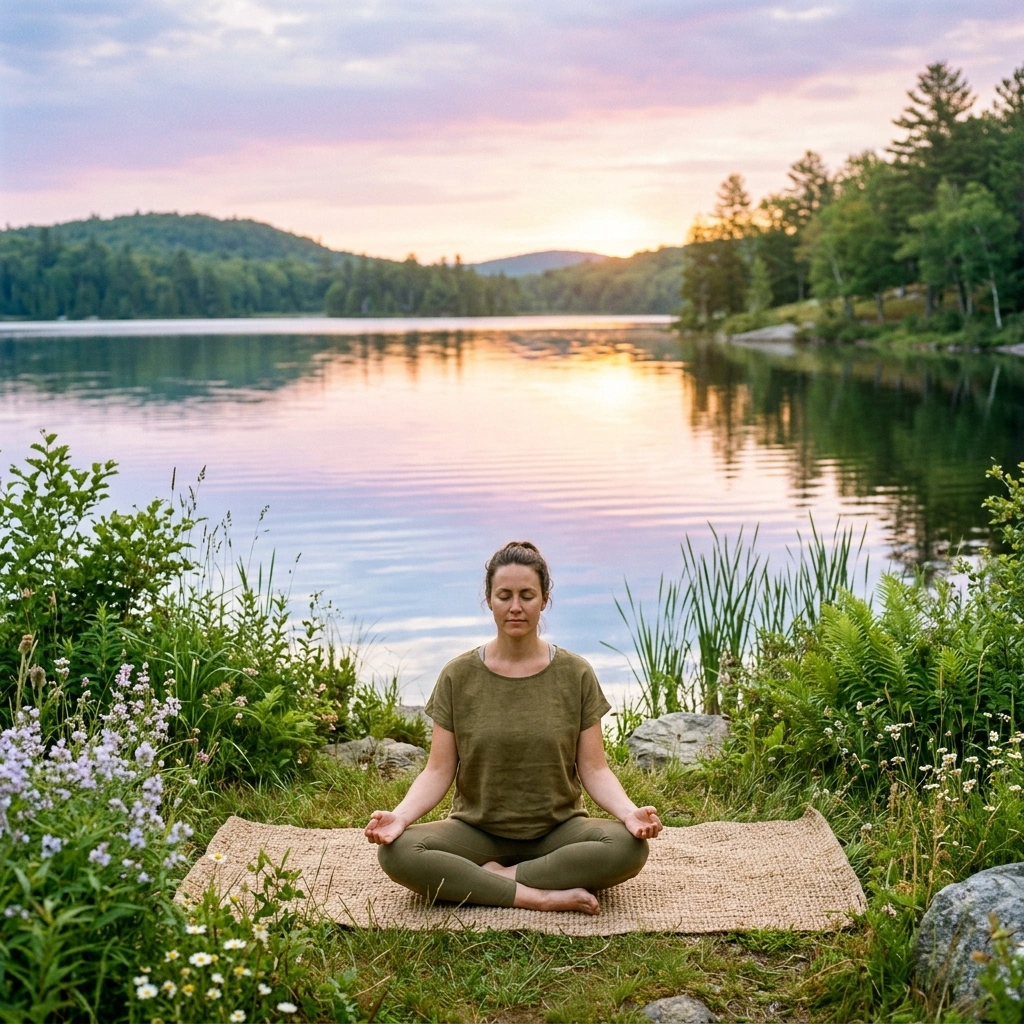
Long-term nervous system regulation is built through consistent, supportive daily habits rather than quick fixes. Learning how to calm and reset your nervous system naturally means creating a routine that helps your body feel safe and balanced over time. This can include simple practices like mindful breathing, gentle movement such as stretching or walking, maintaining a regular sleep schedule, and reducing constant exposure to stress triggers like excessive screen time or overstimulation. When combined with healthy nutrition, hydration, and moments of intentional rest, these small but steady actions help your body gradually shift out of chronic stress mode and return to a more stable, calm state.
Vagus Nerve Reset Techniques for Anxiety
The vagus nerve is the main component of your parasympathetic nervous system. Vagus nerve reset techniques for anxiety directly stimulate this pathway to induce relaxation.
Humming, singing, or chanting creates vocal cord vibrations that activate the vagus nerve. Taking a few minutes each morning to hum a low pitch can build resilience against daily stressors. Gentle neck stretches also help. Lie on your back, interlace your hands behind your head, and look to the right with only your eyes until you feel a sigh or swallow. Repeat on the left side. This subtle movement releases tension in the suboccipital muscles and encourages vagal tone.
Nervous System Regulation Exercises for Stress Relief
Physical movement plays an important role in helping the body process and release built-up stress hormones like adrenaline and cortisol. However, when the nervous system is already overstimulated, intense workouts can sometimes add more strain instead of providing relief. In these moments, gentle and controlled movement becomes a more effective approach for calming the body and restoring balance.
Exercises such as slow walking, light stretching, yoga, and mindful movement help activate the body’s natural relaxation response without overwhelming it. These low-intensity activities improve blood circulation, release muscle tension, and encourage deeper breathing, all of which support nervous system regulation. Over time, incorporating these gentle practices into your routine can help reduce stress levels, improve emotional stability, and create a stronger sense of physical and mental ease.
Somatic Healing Practices for Nervous System Reset
Somatic practices focus on the mind-body connection. Shaking is a simple somatic healing practice. Stand up and let your arms, legs, and torso shake loosely for two minutes. Animals do this instinctively after escaping a predator to discharge trauma.
Pendulation is another somatic technique. Notice a place in your body that feels tense or uncomfortable. Then, find a place that feels neutral or relaxed. Gently shift your attention back and forth between the tense area and the relaxed area. This teaches your body that safety exists alongside discomfort.
How to Restore Nervous System Balance After Stress
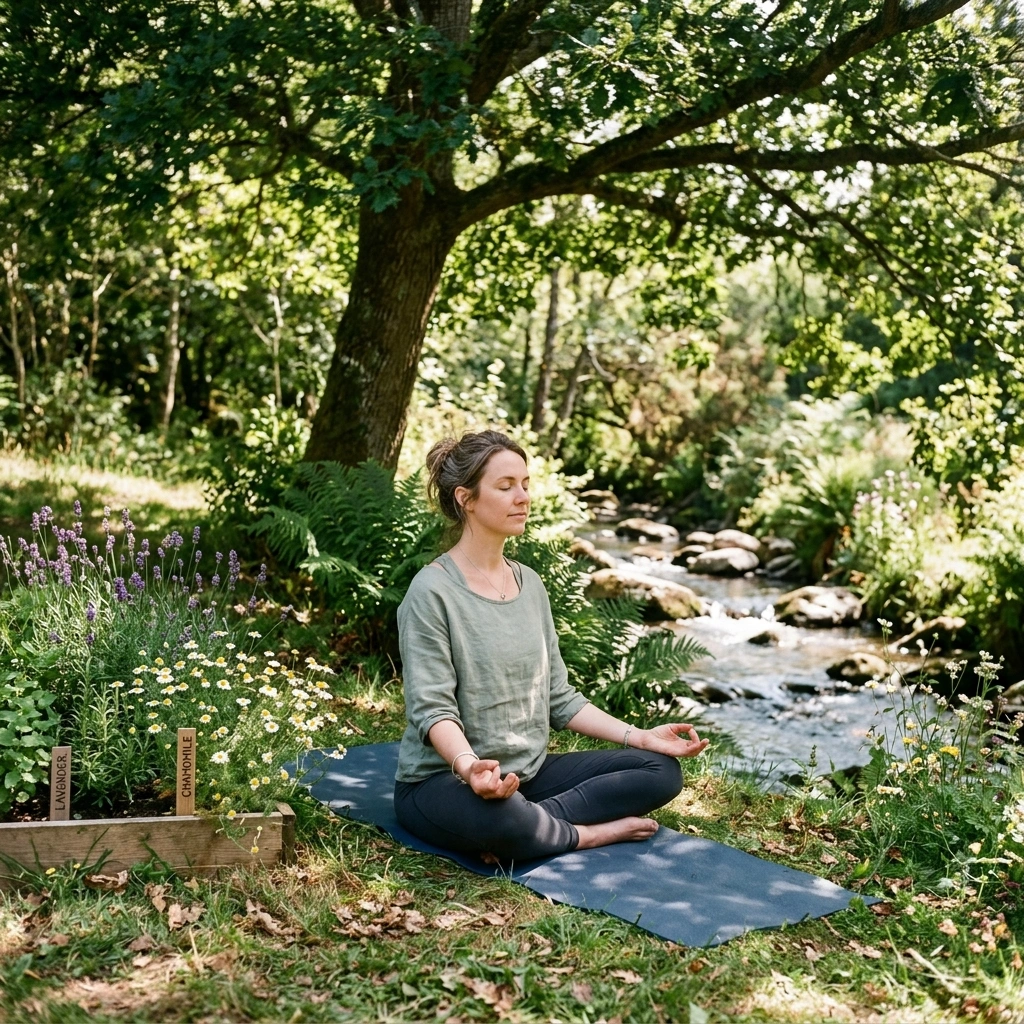
Recovering from a long period of high stress is a gradual process that requires patience, consistency, and a supportive daily routine. The first step is to intentionally reduce new sources of stress by creating a calmer environment where your body can begin to feel safe again. This means slowing down your pace, avoiding unnecessary pressure, and allowing space for rest and recovery.
Improving sleep quality is one of the most important factors in restoring balance. Establish a calming nighttime routine that signals to your body it is time to wind down, such as dimming the lights, limiting screen exposure, and avoiding stimulating activities before bed. Replacing phone or TV time with gentle habits like reading, deep breathing, or light stretching can help relax both the mind and body. Alongside this, staying well-hydrated and eating nutrient-rich meals supports your body’s natural repair process, helping it recover from the physical effects of prolonged stress. Over time, these consistent habits work together to rebuild stability, improve energy levels, and restore a healthier internal balance.
How to Reduce Overstimulated Nervous System Symptoms
An overstimulated nervous system can become highly sensitive to everyday inputs such as bright lights, loud sounds, crowded environments, and even constant digital notifications. Reducing these sensory triggers is an important step in helping your body recover and return to a calmer baseline state. You can start by minimizing exposure to overwhelming environments and actively creating more soothing surroundings.
Using tools like noise-canceling headphones or earplugs can help filter out disruptive sounds when you’re in busy or loud places. At home, adjusting your lighting can make a big difference—switching to dim, warm-toned lamps instead of harsh overhead lights helps reduce visual strain. It’s also important to protect your energy by setting clear boundaries, such as limiting unnecessary social commitments and allowing yourself time to rest without pressure. Over time, building a quiet, low-stimulation space where your senses can relax will support nervous system recovery and improve your overall sense of calm and stability.
FAQs
How long does it take to reset your nervous system?
It varies by individual. Quick techniques like cold water exposure can work in minutes, but recovering from chronic stress may take weeks or months of consistent practice.
Can I reset my nervous system naturally?
Yes, breathwork, somatic exercises, and vagus nerve stimulation are completely natural and highly effective methods.
What does an overstimulated nervous system feel like?
Symptoms include brain fog, chronic fatigue, muscle tension, sensitivity to light or noise, and feeling constantly on edge.
How does the vagus nerve help reset the nervous system?
The vagus nerve controls the parasympathetic “rest and digest” state. Stimulating it lowers heart rate and reduces cortisol levels.
Are breathing exercises effective for anxiety?
Yes, slow and controlled breathing directly signals the brain that you are safe, quickly reducing anxiety symptoms.
What is the quickest way to calm a nervous system?
Splashing cold water on your face or using the physiological sigh (double inhale, long exhale) are among the fastest methods.
How do I know if my nervous system needs a reset?
If you have trouble sleeping, experience unprovoked panic, or feel unable to relax even when resting, you likely need a reset.
Can shaking really help relieve stress?
Yes, shaking physically releases built-up muscle tension and adrenaline, mimicking how animals discharge trauma in the wild.
How to reset your nervous system before bed?
Practice box breathing, take a warm bath, or do gentle stretches to shift your body out of activation before sleeping.
What foods support a healthy nervous system?
Foods rich in omega-3 fatty acids, magnesium, and B vitamins—such as salmon, spinach, and walnuts—support neurological health.
Is meditation good for nervous system regulation?
Yes, regular meditation increases self-awareness and helps you observe stress without immediately reacting to it.
Why do I feel worse when trying to relax?
This is called “relaxation-induced anxiety.” When you finally stop moving, suppressed stress surfaces. Start with active regulation like walking before sitting still.
How does screen time affect the nervous system?
Constant notifications and blue light keep the brain highly alert, making it difficult to transition into a relaxed state.
Can therapy help reset my nervous system?
Yes, therapies like Somatic Experiencing and EMDR specifically target nervous system dysregulation and trauma.
How to reset your nervous system during a panic attack?
Use grounding techniques. Hold an ice cube, name objects around you, or practice extended exhales to disrupt the panic cycle.
Finding Your Path to Calm
Healing from chronic stress is not something that happens overnight—it is a gradual process that requires consistency, awareness, and patience. Your body is constantly responding to signals from your environment, and when it stays in a prolonged state of stress, it can begin to feel normal even when it is not healthy. Learning how your nervous system reacts to pressure is the first step toward helping it return to a more balanced and calm state.
By regularly practicing deep breathing techniques, grounding exercises, and somatic practices such as gentle stretching or body scanning, you can actively signal to your body that it is safe to relax. These small but powerful actions help regulate your heart rate, reduce muscle tension, and improve emotional stability over time. Along with these practices, making simple lifestyle adjustments—such as improving sleep habits, reducing overstimulation, and creating moments of rest throughout the day—can significantly support your overall well-being.
It is important to approach this journey with self-compassion and consistency rather than pressure for quick results. As you continue building these habits into your daily routine, your body gradually learns to recover more efficiently from stress. Over time, this creates a stronger foundation for emotional balance, mental clarity, and a deeper, more sustainable sense of calm in your everyday life.