
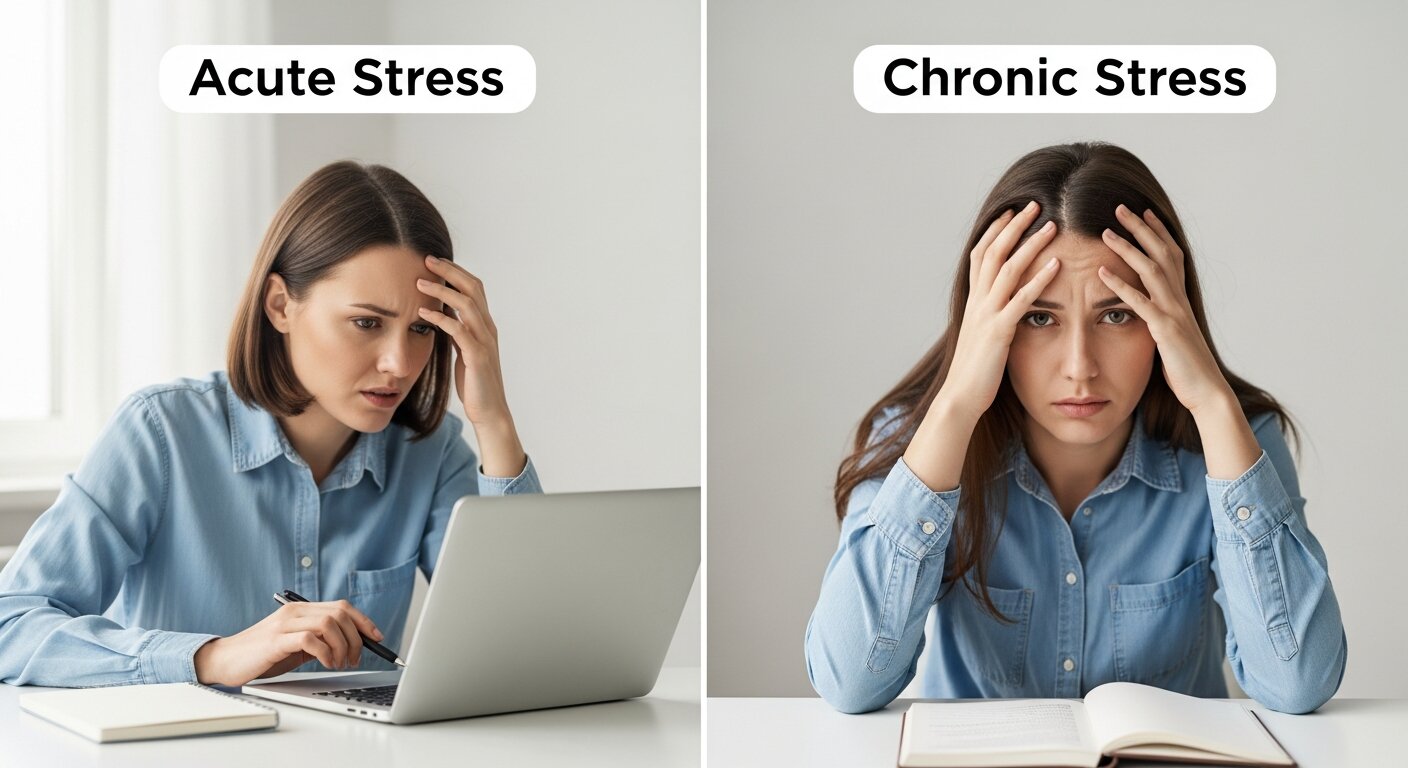
The Stress Response System Explained
To understand how stress affects us, we need to look at biology. The human body has a built-in alarm system controlled by the central nervous system. When you perceive a threat, your hypothalamus sets off an alarm. Through a combination of nerve and hormonal signals, this system prompts your adrenal glands to release a surge of hormones, including adrenaline and cortisol.
Adrenaline increases your heart rate, elevates your blood pressure, and boosts energy supplies. Cortisol, the primary stress hormone, increases sugars in the bloodstream and enhances your brain’s use of glucose. It also curbs functions that would be nonessential or detrimental in a fight-or-flight situation. This complex system is highly effective for keeping you safe from immediate physical danger.
Once the perceived threat has passed, hormone levels drop. Your heart rate and blood pressure return to baseline, and other systems resume their regular activities. However, problems arise when this system remains constantly activated.
Acute vs Chronic Stress Differences
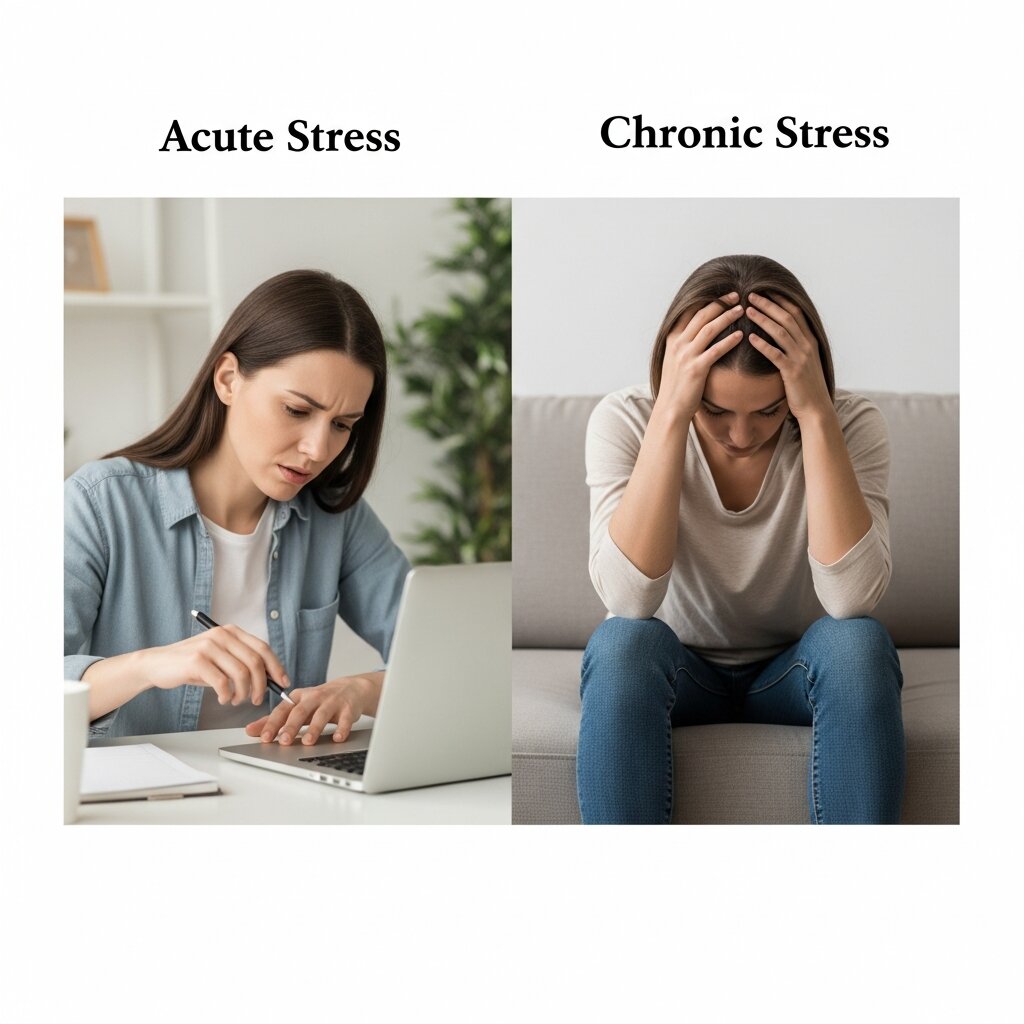
The main difference between stress types lies in duration and intensity. Acute stress is brief and specific. Chronic stress is persistent and ongoing.
Chronic Stress vs Short-Term Stress
Short-term (acute) stress is a normal and natural response that occurs when your body reacts to an immediate challenge or sudden event. It activates quickly and helps you stay alert and focused in the moment. For example, you might experience it when you slam on the brakes to avoid an accident or feel the excitement of a roller coaster ride. In these situations, stress rises suddenly but disappears once the situation is over, making it a key part of how your body handles everyday demands.
Chronic stress, on the other hand, develops gradually and lasts for a much longer period, often due to ongoing pressures in life such as work strain, financial concerns, or personal difficulties. Unlike short-term stress, chronic stress keeps the body in a prolonged state of alert, which can disrupt sleep, energy levels, digestion, and overall health. Understanding the difference between Chronic Stress vs Short-Term Stress is important because it helps you recognize when stress is temporary and when it may be affecting your long-term well-being.
Causes of Acute and Chronic Stress
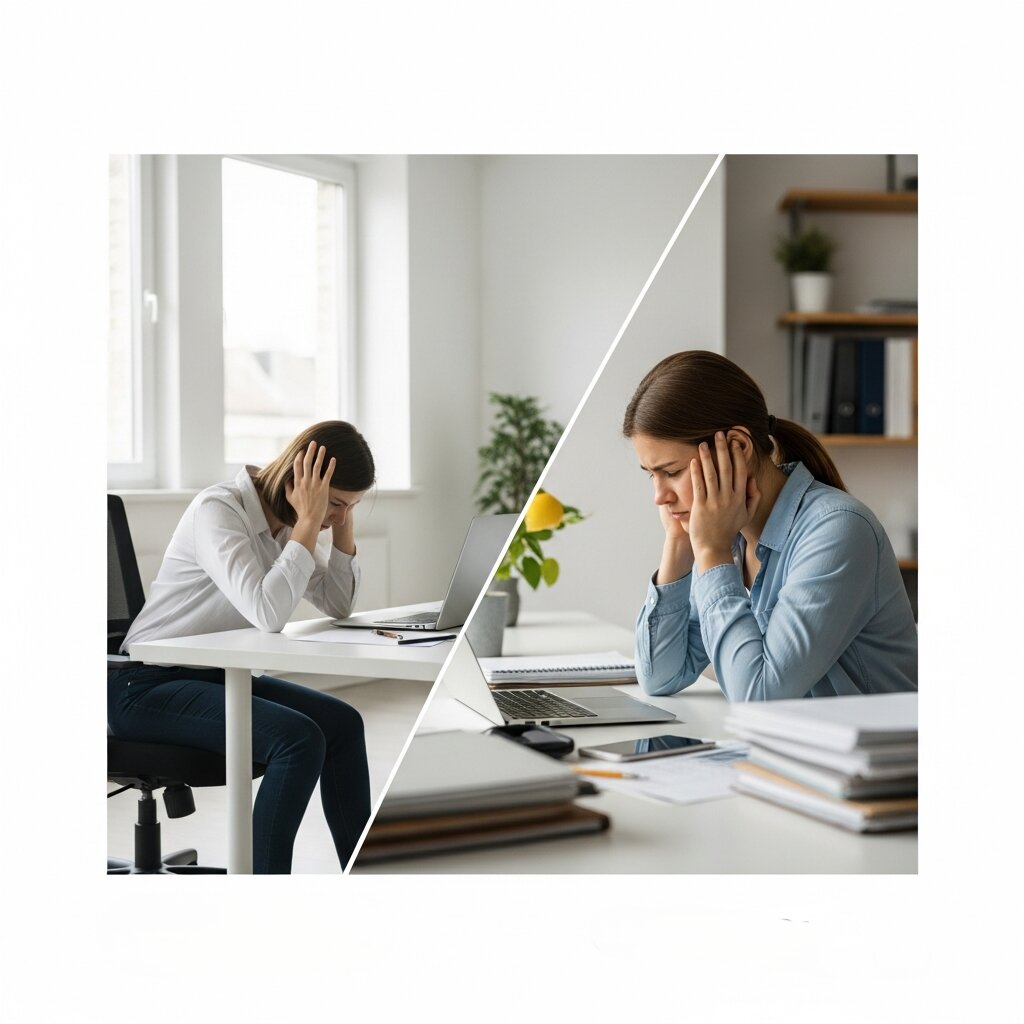
Different triggers set off different stress responses.
Acute stress is usually triggered by isolated events. Common causes include:
- A looming deadline at work or school
- Getting a traffic ticket
- An argument with a friend or spouse
- Taking a difficult exam
- A sudden loud noise or physical shock
Chronic stress stems from situations that feel inescapable and relentless. Common causes include:
- Long-term financial difficulties or poverty
- An unhappy marriage or toxic relationship
- A high-pressure job with constant demands
- Caring for a family member with a severe illness
- Systemic issues like discrimination or chronic housing instability
Symptoms of Chronic and Acute Stress
Because they last for different periods, the symptoms of Chronic and Acute Stress manifest in unique and noticeable ways that affect both the body and mind.
Acute stress symptoms are usually sudden and intense but fade quickly once the situation passes. You might experience a racing heart, sweaty palms, a sudden headache, or a brief feeling of panic. Your stomach may feel tied in knots, and your breathing can become shallow as your body reacts instantly to pressure.
Chronic stress symptoms, on the other hand, are more persistent and often build up over time, making them easier to overlook. Since they stay for longer periods, you may even start to feel “normal” with them. These symptoms often include ongoing fatigue, frequent headaches, changes in appetite, unexplained weight fluctuations, and trouble sleeping. Emotional effects such as irritability, lack of motivation, or a constant feeling of hopelessness are also common in long-term stress conditions.
How Acute Stress Impacts the Body
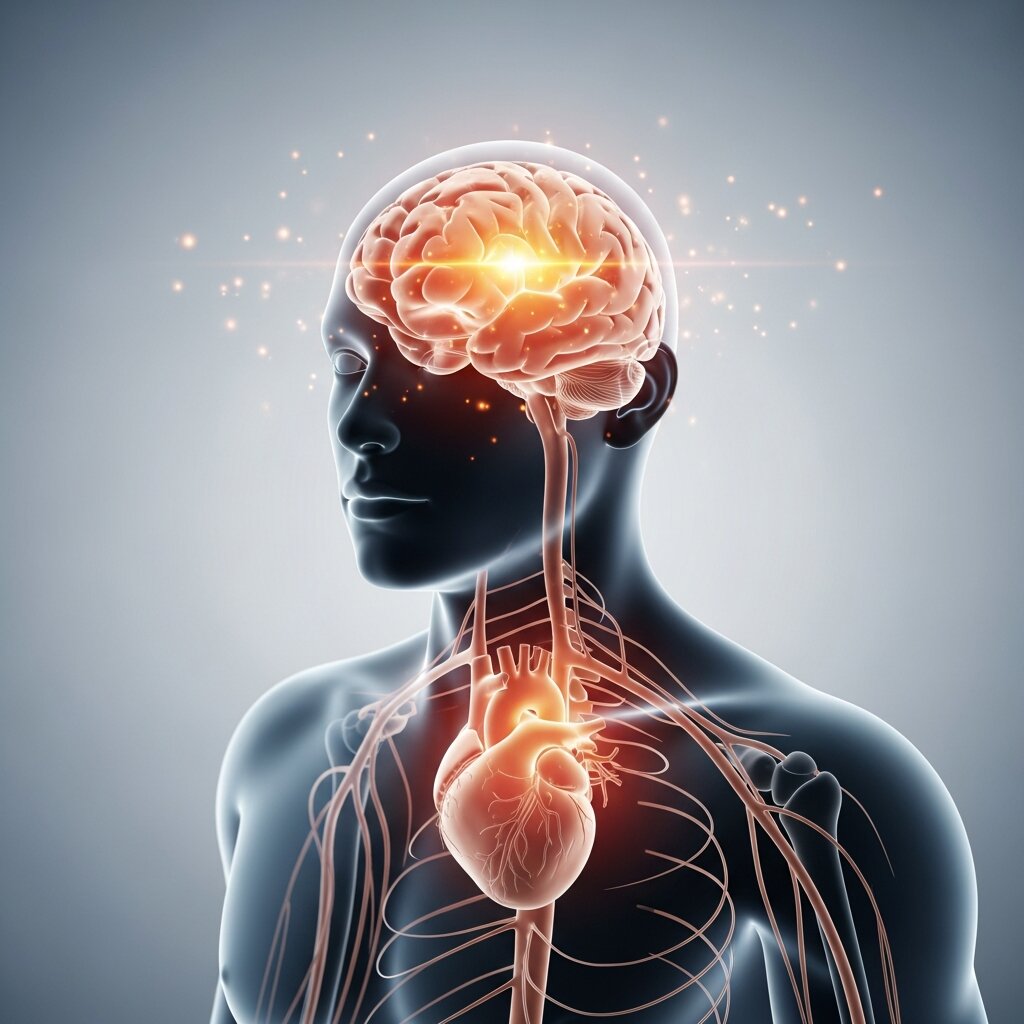
When acute stress occurs, your body instantly shifts into a survival mode designed to handle immediate challenges. This is part of the natural stress response system, where blood flow is redirected away from non-essential functions like digestion and toward your muscles and brain. This prepares you to react quickly—whether that means escaping danger, solving a sudden problem, or performing under pressure. At the same time, your pupils dilate to improve vision, your heart rate increases, and your body releases hormones like adrenaline to boost energy and alertness.
Your immune system also gets a temporary boost, preparing your body to handle possible injuries. Although this response can feel intense, it is usually short-lived. Once the situation passes, the body returns to its normal state fairly quickly. In fact, small amounts of acute stress can be helpful—it can improve focus, increase motivation, and enhance performance during exams, sports, or tight deadlines. When managed properly, acute stress is a natural and sometimes beneficial part of how the body responds to daily life challenges.
Mental and Physical Effects of Stress
While short-term stress is manageable, ongoing stress takes a severe toll on the mind and body. The constant flood of cortisol and adrenaline disrupts your natural biological rhythms.
Long-Term Effects of Chronic Stress
When the stress response fails to shut off, the long-term effects can be devastating. Over time, chronic stress can lead to:
- Cardiovascular disease, including high blood pressure and heart attacks
- Digestive problems, such as irritable bowel syndrome (IBS) or ulcers
- A weakened immune system, leading to frequent infections
- Mental health disorders, including severe anxiety and clinical depression
- Cognitive issues, such as memory impairment and difficulty concentrating
- Sleep disorders like chronic insomnia
Stress Types Comparison Guide
To make identifying your stress easier, here is a quick comparison:
Duration: Acute stress lasts minutes to hours. Chronic stress lasts months to years.
Onset: Acute stress is sudden and immediate. Chronic stress is gradual and compounding.
Recovery: The body recovers quickly from acute stress. Chronic stress requires deliberate intervention to reset the nervous system.
Function: Acute stress protects you from immediate harm. Chronic stress slowly damages your bodily systems.
Managing Chronic vs Acute Stress
Frequently Asked Questions
What is the exact definition of chronic versus acute stress?
Chronic versus acute stress refers to two different types of the body’s stress response. Acute stress is a short-term physiological reaction to an immediate threat or challenge, while chronic stress is a long-term state of ongoing physiological arousal caused by persistent pressures.
Can acute stress ever be good for you?
Yes. In small doses, acute stress keeps you alert, motivated, and prepared to handle sudden challenges effectively.
How long does acute stress last?
It typically lasts anywhere from a few minutes to a few hours, subsiding once the triggering event is resolved.
How do I know if my stress has become chronic?
If you feel constantly overwhelmed for weeks or months, experience ongoing physical symptoms like fatigue or headaches, and cannot seem to relax, you are likely dealing with chronic stress.
Can chronic stress cause physical pain?
Absolutely. Constant muscle tension caused by prolonged stress can lead to back pain, neck pain, and tension headaches. This is more common in ongoing chronic versus acute stress conditions where the body stays in a prolonged state of alert.
Does stress affect weight?
Yes. High cortisol levels can increase appetite and lead to fat storage, especially around the abdomen. In some cases, stress can also reduce appetite and cause weight loss, depending on how the body responds to chronic versus acute stress.
How does stress impact sleep?
Stress keeps the nervous system overactive, making it harder to fall asleep or stay asleep. This often leads to insomnia, especially in long-term chronic versus acute stress situations where the body struggles to relax.
Are panic attacks a sign of acute or chronic stress?
A panic attack is typically an intense acute stress response, but frequent episodes may indicate underlying chronic stress or an anxiety disorder linked to ongoing chronic versus acute stress imbalance.
Can exercise help with both types of stress?
Yes. Short bursts of exercise can help release adrenaline from acute stress, while regular physical activity helps reduce baseline cortisol levels, making it effective for managing chronic versus acute stress over time.
What is episodic acute stress?
This occurs when a person experiences acute stress very frequently, often feeling like their life is chaotic or constantly in crisis mode.
Does chronic stress weaken the immune system?
Yes. While acute stress briefly boosts immunity, prolonged exposure to cortisol suppresses immune function, making you more susceptible to illness.
How does meditation help with stress?
Meditation activates the parasympathetic nervous system, which acts as the brakes for your stress response, promoting relaxation and recovery.
When should I see a doctor about stress?
You should consult a doctor if stress is interfering with your daily life, causing severe physical symptoms, or leading to thoughts of self-harm.
Are some people naturally more prone to stress?
Yes. Genetics, past trauma, and baseline temperament all influence how reactive an individual’s stress response system is.
Can a poor diet make stress worse?
Yes. Consuming high amounts of sugar, caffeine, and processed foods can spike cortisol levels and exacerbate feelings of anxiety and stress.
Taking Control of Your Stress Response
Understanding how your body reacts to different types of pressure is the first step toward better mental and physical health. When you clearly recognize the difference between Chronic Versus Acute Stress, you gain the ability to respond more effectively instead of simply reacting. While you cannot remove every stressor from your life, you can absolutely change how your body and mind process them.
Start by identifying the main sources of tension in your daily routine, whether they are short-term triggers or ongoing pressures. Learn to notice early physical signs of acute stress, such as a racing heart or shallow breathing, so you can quickly use tools like deep breathing, grounding exercises, or short movement breaks to reset your system. For long-term or chronic stress, focus on creating healthier boundaries around your time, energy, and responsibilities. Small but consistent changes in how you manage these stress patterns can significantly improve your resilience. By taking these proactive steps, you can better regulate Chronic Versus Acute Stress responses and support a calmer, more balanced nervous system over time.