
In today’s digital landscape, healthcare organizations are under immense pressure to deliver efficient, secure, and patient-centered services. As clinical teams, network engineers, and executives navigate this evolving environment, optimizing health networks has become a strategic imperative. By leveraging emerging technologies and implementing best practices, providers can break down data silos, accelerate decision-making, and enhance the overall quality of care.
Currently, health systems are piloting initiatives that range from advanced interoperability standards to cloud-native applications, all aimed at creating resilient infrastructures that support real-time collaboration. This year (2026), investments in network modernization and data governance are at an all-time high, reflecting the critical role connectivity plays in patient outcomes. From rural facilities seeking reliable telehealth connections to metropolitan hospitals upgrading to private 5G, the journey toward a unified digital ecosystem hinges on thoughtful planning and execution.
In the following sections, we will explore five foundational strategies for optimizing health networks: embracing technological evolution, ensuring seamless data exchange, strengthening security and compliance, integrating telemedicine and remote monitoring, and harnessing IoT, AI, and cloud services for scalable, predictive operations. Drawing on insights from institutions such as the National Institutes of Health and best practices outlined by the CDC, this article offers actionable guidance to help you transform your network infrastructure and deliver exceptional care.
Embracing Technological Evolution
Modular Architectures and Open APIs
One of the first steps toward optimizing health networks is adopting modular, service-oriented designs that rely on open application programming interfaces (APIs). These interfaces serve as standardized conduits that allow disparate systems—electronic health records (EHRs), laboratory information systems, imaging archives—to communicate without costly proprietary locks. By prioritizing solutions built on industry frameworks such as HL7 FHIR, organizations can plug in new capabilities quickly, scale up as demand increases, and avoid vendor lock-in long term.
Cultivating a Culture of Innovation
Technology alone does not guarantee success. Today, leading health networks foster a proactive culture that encourages experimentation and cross-functional collaboration. IT teams work alongside clinicians from the initial planning stages, ensuring workflows align with real-world needs. Pilot programs, sandbox environments, and small-scale rollouts help identify integration challenges early, reduce downtime, and validate return on investment (ROI) before enterprise-wide deployment.
Continuous Assessment and Upgrades
Continuous monitoring of network performance metrics—such as latency, throughput, and error rates—provides the feedback loop necessary for iterative improvement. Regular architecture reviews keep systems aligned with evolving standards, while end-of-life decommissioning plans mitigate technical debt. By staying abreast of emerging protocols, firmware updates, and new hardware offerings, organizations maintain agility and readiness for future innovations.
Ultimately, embracing technological evolution is not a one-off project but a long-term strategy. When properly implemented, these adaptable designs form the backbone of any effort aimed at optimizing health networks and future-proofing patient care delivery.
Ensuring Interoperability and Secure Data Exchange
Standards-Based Integration
Interoperability is the foundation of a cohesive health ecosystem, enabling providers to access the right information at the right time. Leading-edge networks adhere to established standards—such as HL7 FHIR for structured clinical data, DICOM for imaging, and IHE profiles for cross-enterprise document sharing. Conforming to these guidelines reduces manual data reconciliation, mitigates transcription errors, and accelerates care transitions, whether within a single hospital or across a regional network.
Health Information Exchanges and API Gateways
Deploying a robust health information exchange (HIE) or API gateway simplifies the process of onboarding new applications and external partners. Role-based access controls and OAuth2 authentication ensure that only authorized individuals retrieve sensitive records. As patient privacy regulations tighten, these mechanisms serve a dual purpose: they streamline workflows while maintaining compliance with federal and state guidelines.
Ongoing Audits and Performance Monitoring
To guarantee sustained reliability, health IT teams conduct periodic interoperability audits and API performance tests. Simulated transactions in sandbox environments expose potential bottlenecks before they impact production systems. By tracking key performance indicators—such as message latency, failure rates, and data reconciliation times—teams can proactively address issues and fine-tune exchange processes.
In the quest of optimizing health networks, seamless data exchange not only supports clinical decision-making but also underpins analytics initiatives, population health programs, and value-based care models.
Strengthening Security, Privacy, and Compliance
Multi-Layered Defense Strategies
As healthcare networks become more interconnected, they attract sophisticated cyber threats. Ransomware, supply-chain exploits, and phishing campaigns can halt clinical operations and jeopardize patient safety. A multi-layered security approach—incorporating network segmentation, next-generation firewalls, intrusion detection systems, and endpoint protection—is critical to reducing risk exposure.
Regulatory Adherence and Risk Management
Maintaining compliance with HIPAA, state health data regulations, and international frameworks requires an active stance on risk management. Organizations implement continuous monitoring tools that flag anomalies, enforce encryption for data at rest and in transit, and maintain robust key management practices. Annual risk assessments and tabletop exercises keep teams prepared for potential incidents, minimizing response times and limiting operational impact.
Building a Security-First Culture
Technical controls alone are not sufficient. Educating staff through ongoing training sessions, simulated phishing drills, and clear reporting channels fosters a security-conscious environment. Empowered employees who recognize and escalate suspicious activity serve as an organization’s first line of defense.
By integrating security and privacy considerations into every phase of network design, health leaders can ensure that optimizing health networks never comes at the expense of patient confidentiality or regulatory compliance.
Integrating Telemedicine and Remote Patient Monitoring

Embedding Telehealth in Core Infrastructure
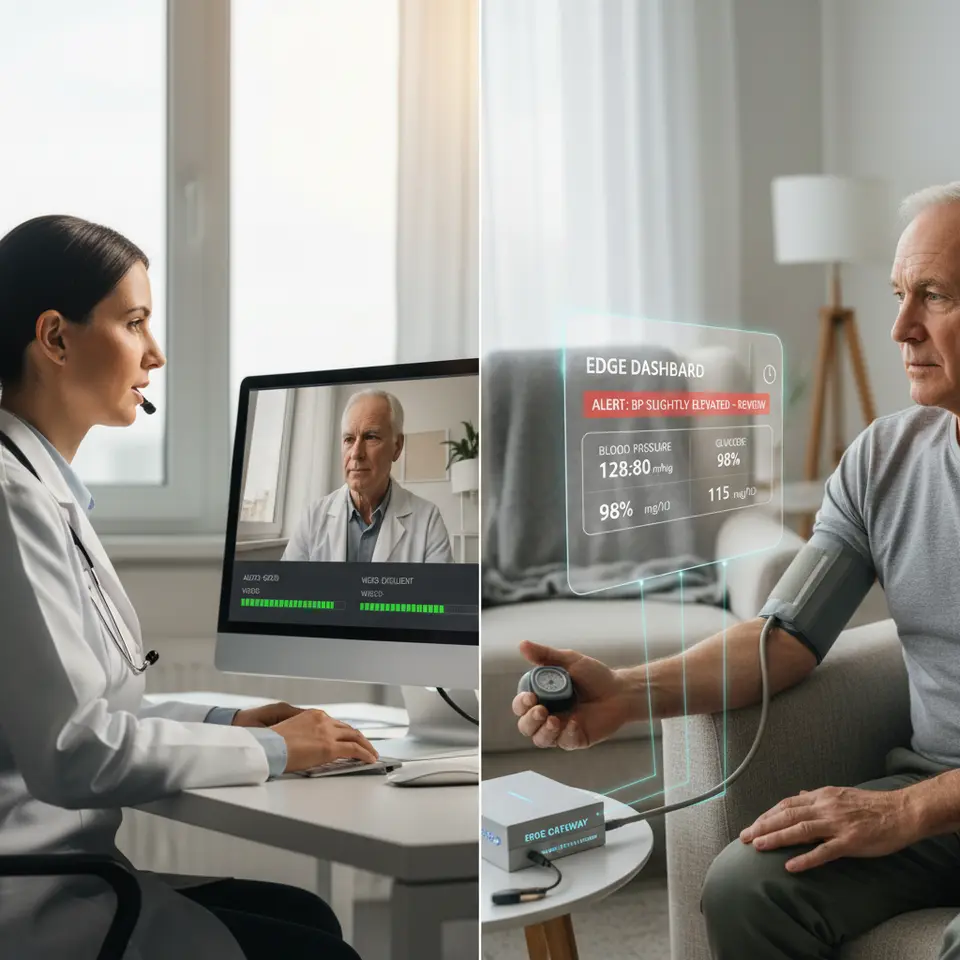
Telehealth has transitioned from a niche offering to a central pillar of modern care delivery. High-quality virtual consultations require network configurations that prioritize audio and video traffic. Quality of Service (QoS) rules help minimize jitter and latency, ensuring that clinicians and patients benefit from clear, uninterrupted interactions.
Scalable Remote Monitoring Deployments
Remote patient monitoring devices—such as blood pressure monitors, pulse oximeters, and glucometers—generate continuous data streams that inform care pathways. Edge gateways placed within clinics or community centers perform initial data validation and compression before forwarding information to central analytics engines. This approach reduces bandwidth consumption and allows real-time alerts when readings cross predefined thresholds.
Equitable Access and User Engagement
Access to telemedicine must be inclusive. Loaner device programs, community-based kiosks, and multilingual support lines help extend services to underserved populations. Clear user interfaces, patient education materials, and dedicated help desks increase adoption rates and contribute to better health outcomes.
By seamlessly integrating telehealth platforms and remote monitoring tools into the network fabric, organizations can deliver proactive, patient-centered care at scale—an essential component of optimizing health networks in today’s environment.
IoT, AI, and Cloud for Scalable, Predictive Networks
IoT and Edge Device Management
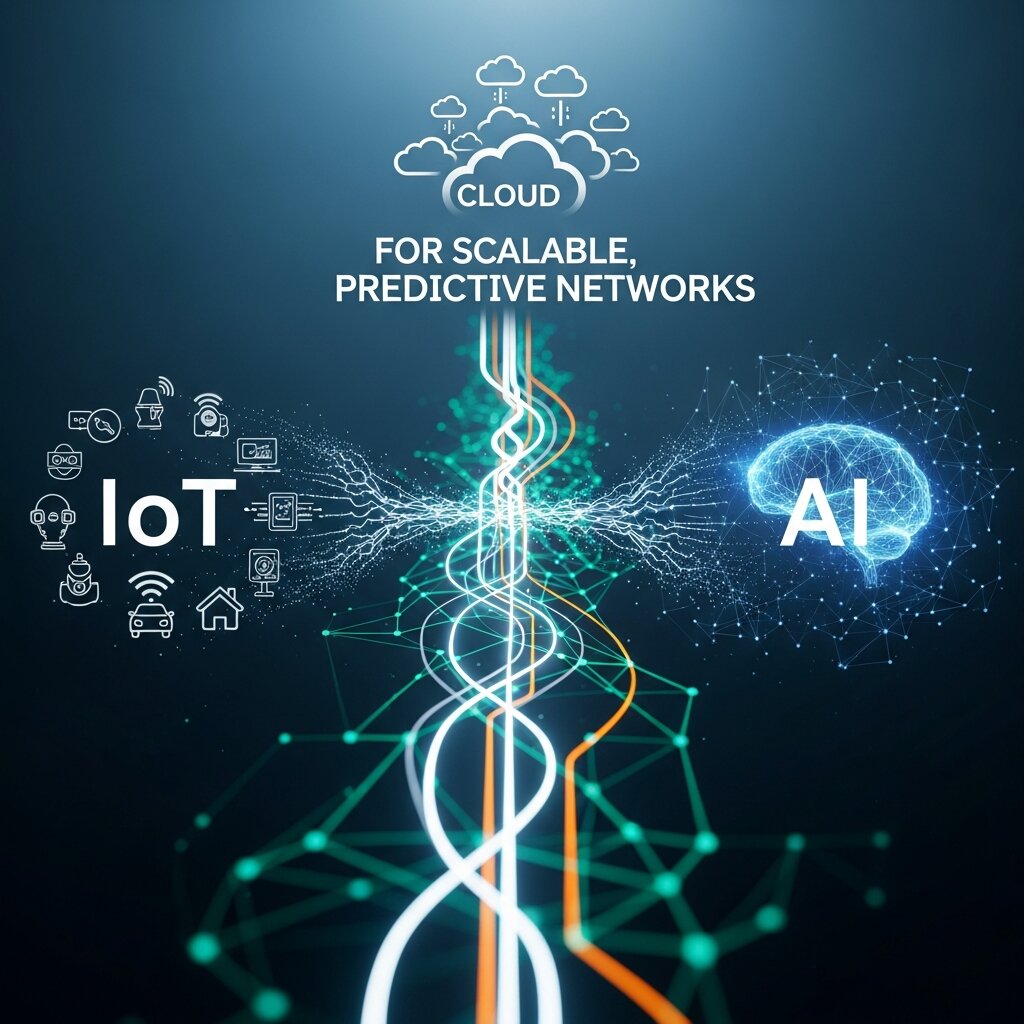
The Internet of Medical Things (IoMT) encompasses a diverse ecosystem of sensors and wearables, each generating valuable clinical data. Scalable edge-layer gateways handle real-time preprocessing, anomaly detection, and data aggregation, reducing central-system load. Unified device management platforms track firmware updates, enforce security policies, and quarantine non-compliant endpoints, ensuring operational integrity.
Cloud-Native Architectures and Microservices
Cloud adoption accelerates network scaling with on-demand compute and storage. Containerized microservices support rolling updates and rapid feature rollouts, while serverless functions process intermittent workloads—such as batch analytics or compliance reporting—efficiently. Robust identity and access management (IAM) ensures secure, granular permissions across public, private, or hybrid cloud environments.
AI-Driven Predictive Insights
Artificial intelligence and machine learning models analyze vast data sets—from EHRs to device telemetry—to predict patient deterioration, forecast resource utilization, and optimize staffing levels. Explainable AI techniques build clinician trust by clarifying model recommendations. Federated learning collaborations with academic institutions preserve data sovereignty while accelerating algorithm refinement.
By combining IoT data streams, cloud agility, and AI-powered analytics, health systems can transition from reactive interventions to predictive, personalized care. This integrated approach lies at the heart of any initiative focused on optimizing health networks and ensuring long-term resilience.
Embracing Technological Evolution
Modern health networks are evolving through modular, service-oriented architectures that rely on open APIs and standards like HL7 FHIR. These systems allow seamless integration between EHRs, lab systems, and imaging platforms while reducing vendor lock-in. Organizations such as the National Institutes of Health encourage innovation through scalable digital infrastructure. Continuous monitoring, iterative upgrades, and cross-functional collaboration ensure systems remain agile, efficient, and ready for future healthcare demands.
Ensuring Interoperability and Secure Data Exchange
Interoperability enables accurate, real-time access to patient data across systems using standards like HL7 FHIR, DICOM, and IHE profiles. Health Information Exchanges and API gateways streamline integration while maintaining secure access through authentication and role-based controls. Compliance with guidelines informed by the Centers for Disease Control and Prevention strengthens data governance. Regular audits, performance testing, and encryption practices ensure reliable, secure, and efficient clinical data exchange across networks.
Conclusion
Optimizing health networks in today’s fast-paced environment demands a holistic strategy that encompasses technological innovation, robust security, seamless interoperability, and patient-focused services. By embracing modular architectures, adhering to industry standards, and creating a security-first culture, organizations lay the groundwork for a resilient digital ecosystem. Integrating telemedicine and remote monitoring extends care beyond hospital walls, while IoT, cloud, and AI solutions provide the scalability and predictive power necessary for proactive health management.Healthcare leaders who invest in flexible infrastructures, foster cross-disciplinary collaboration, and maintain continuous improvement processes will be best positioned to deliver superior patient outcomes. As you embark on your network optimization journey, remember that success hinges on balanced attention to people, processes, and technology. By following these best practices, your organization can build a future-ready health network that supports better health for all.
Frequently Asked Questions
1. What is health network optimization?
Health network optimization refers to improving the performance, security, and efficiency of healthcare IT systems. It involves integrating modern technologies, reducing data silos, enhancing interoperability, and ensuring faster access to patient information. The goal is to support better clinical decisions and improve overall patient care delivery across healthcare organizations.
2. Why is interoperability important in healthcare networks?
Interoperability allows different healthcare systems to communicate and exchange patient data seamlessly. It reduces duplication, improves accuracy, and ensures clinicians have timely access to critical information. By using standards like HL7 FHIR and DICOM, healthcare providers can streamline workflows and improve coordination across departments and external organizations.
3. How does cloud computing improve health networks?
Cloud computing improves scalability, flexibility, and cost efficiency in healthcare systems. It enables secure data storage, real-time access, and faster deployment of applications. Healthcare organizations can also use cloud platforms to support analytics, telemedicine, and AI-driven tools, helping improve patient outcomes and operational performance across multiple facilities.
4. What role does AI play in healthcare network optimization?
AI helps analyze large volumes of healthcare data to identify patterns, predict patient risks, and optimize resource allocation. Machine learning models support early diagnosis and operational efficiency. AI also improves decision-making by providing predictive insights, enabling healthcare providers to shift from reactive care to proactive and personalized treatment approaches.
5. How does telemedicine impact health networks?
Telemedicine expands healthcare access by enabling remote consultations and monitoring. It reduces hospital visits, improves patient convenience, and supports continuous care. Health networks must optimize bandwidth, latency, and security to ensure smooth virtual interactions, making telehealth a core component of modern, patient-centered healthcare delivery systems.
6. What is the importance of cybersecurity in healthcare networks?
Cybersecurity is critical because healthcare systems store sensitive patient data. Strong security measures like encryption, firewalls, and multi-layer authentication protect against cyber threats such as ransomware and phishing. Ensuring compliance with regulations like HIPAA also helps maintain trust, protect privacy, and prevent disruptions in clinical operations.
7. How do IoT devices contribute to healthcare systems?
IoT devices collect real-time health data from wearables, monitors, and medical sensors. This continuous data flow helps clinicians track patient conditions remotely and respond quickly to emergencies. IoT improves efficiency, enables predictive care, and supports data-driven decisions, especially when integrated with cloud platforms and AI analytics systems.
8. What are API gateways in healthcare networks?
API gateways act as secure entry points for data exchange between healthcare applications. They manage authentication, traffic routing, and access control. By using API gateways, healthcare organizations can integrate multiple systems efficiently, ensure data security, and simplify interoperability between internal platforms and external partners.
9. How does network optimization improve patient outcomes?
Optimized health networks ensure faster access to accurate patient data, reducing delays in diagnosis and treatment. They improve coordination between departments, enhance telehealth services, and support predictive analytics. As a result, healthcare providers can deliver more efficient, accurate, and personalized care, ultimately improving patient outcomes and satisfaction.
10. What are the biggest challenges in optimizing health networks?
Major challenges include data silos, legacy systems, cybersecurity threats, and regulatory compliance requirements. Integration complexity and high infrastructure costs also slow down transformation. Additionally, ensuring staff training and maintaining system interoperability across multiple platforms remain key obstacles that healthcare organizations must address for successful optimization.