
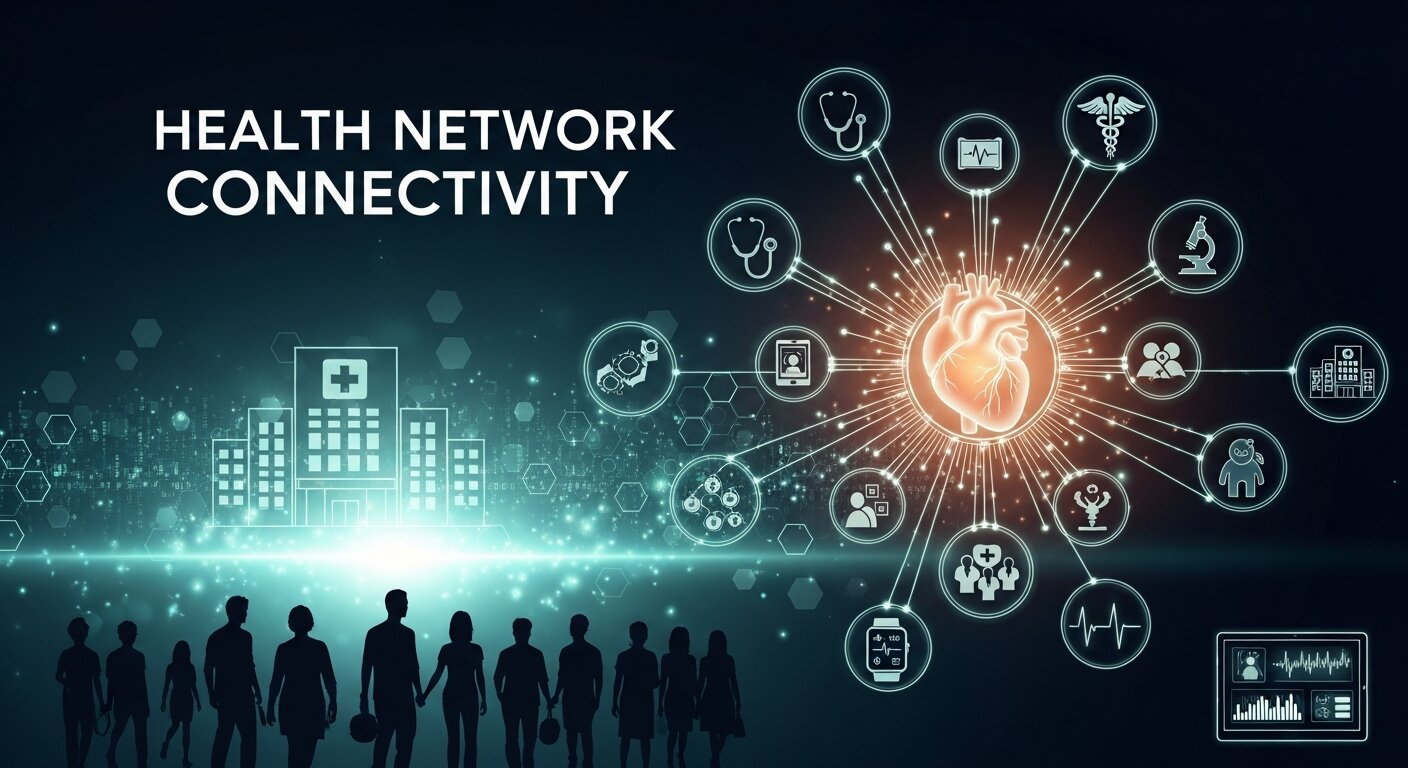
In today’s digital landscape, health network connectivity has become a cornerstone of modern healthcare delivery. As hospitals, outpatient clinics, and telehealth platforms multiply, the capacity to exchange clinical information securely and seamlessly is critical to ensuring high-quality patient care. Health network connectivity goes beyond simple data sharing; it underpins collaborative care models, improves operational workflows, and elevates patient engagement by delivering timely insights to providers and individuals alike.
Currently, healthcare systems are navigating a complex environment shaped by evolving regulations, rising patient expectations, and rapid technological advancements. By investing in robust infrastructure, adopting industry standards such as HL7 FHIR and DICOM, and implementing comprehensive security measures, organizations can forge resilient ecosystems that adapt to shifting demands. Throughout this resource, the focus keyword health network connectivity will appear naturally to highlight its strategic importance. We will explore five critical dimensions: the foundational components that enable seamless data exchange; tangible benefits for stakeholders; common challenges that can impede progress; proven strategies for strengthening connections; and emerging technology enablers. Whether you are leading an integrated delivery network, managing a multisite clinic, or expanding telehealth services this year (2026), this guide offers actionable insights to enhance health network connectivity for better patient outcomes.
Understanding Health Network Connectivity Fundamentals
At its core, health network connectivity encompasses the technical and organizational infrastructure that permits diverse healthcare entities to communicate and collaborate effectively. Establishing a reliable backbone requires attention to multiple layers:
1. Infrastructure and Network Architecture
A high-performance foundation is vital for transmitting large imaging files, real-time monitoring data, and patient records. Many organizations leverage high-speed broadband, secure virtual private networks (VPNs), and edge computing platforms to ensure low-latency access across sites. Cloud services, offered by leading providers, enable scalable EHR hosting, analytics workloads, and disaster recovery without heavy upfront capital expenditure.
2. Interoperability Standards
Standard protocols define how clinical data is structured, transmitted, and interpreted. HL7 FHIR (Fast Healthcare Interoperability Resources) has emerged as the preferred format for RESTful APIs, facilitating granular access to patient information. Complementary standards such as DICOM (Digital Imaging and Communications in Medicine) support the exchange of medical images, while CDA (Clinical Document Architecture) and IHE (Integrating the Healthcare Enterprise) profiles guide consistent implementation across systems.
3. APIs and Integration Layers
Middleware solutions and application programming interfaces serve as the integration layer between electronic health records, laboratory systems, and third-party applications. Well-designed APIs enable bi-directional data flows, reducing manual entry and streamlining workflows. Many networks employ integration engines that translate disparate message formats and orchestrate complex data exchanges.
4. Security, Privacy, and Compliance
Securing patient information is paramount. Encryption of data in transit and at rest, role-based access controls, identity management, and rigorous auditing processes help meet regulatory requirements such as HIPAA and GDPR. Authoritative guidance from the U.S. Department of Health and Human Services (https://www.hhs.gov/hipaa) and the National Institutes of Health (https://www.nih.gov) informs best practices and compliance strategies.
By aligning these components—network architecture, standards-based protocols, robust integration layers, and security frameworks—organizations can create cohesive systems where clinical, imaging, and patient-generated data flow reliably. This foundation sets the stage for improved collaboration among care teams and greater visibility into patient health across the continuum.
Benefits of Enhanced Connectivity

When a health network connectivity strategy is well-executed, both patients and providers experience significant advantages. These benefits translate into measurable improvements in clinical quality, operational performance, and patient satisfaction.
Improved Care Coordination
Ensuring that care teams have real-time access to comprehensive patient records minimizes the risk of medical errors. When providers can view lab results, medication lists, and imaging studies instantly, they can make informed decisions and develop cohesive treatment plans. Seamless handoffs between primary care physicians, specialists, and allied health professionals reduce redundant testing and streamline referrals.
Enhanced Patient Engagement
Patient portals and mobile applications, integrated with clinical systems, empower individuals to view their health data, schedule appointments, and communicate securely with their care teams. Engaged patients are more likely to adhere to treatment plans, manage chronic conditions effectively, and participate in preventive screenings, driving better outcomes and higher satisfaction scores.
Operational Efficiency and Cost Savings
Automated data flows eliminate manual charting and reduce administrative burden. Billing cycles accelerate when coded information is transmitted electronically, and revenue cycle management benefits from fewer errors and denials. Centralized reporting tools provide visibility into performance metrics, enabling leaders to identify trends and optimize resource allocation.
Advanced Population Health Management
Analytics platforms ingest data from across the network to identify high-risk patient cohorts, track disease prevalence, and monitor care gaps. Public health authorities, such as the Centers for Disease Control and Prevention (https://www.cdc.gov), rely on timely data exchange to detect outbreaks and inform preventive measures. Integrated systems support value-based care initiatives by enabling risk stratification and targeted interventions.
Scalability for Future Growth
Cloud-based connectivity models and modular integration frameworks allow organizations to onboard new facilities, telehealth services, and partner organizations rapidly. As demand for virtual care grows, scalable architectures ensure consistent performance and maintain data integrity across an expanding network.
Collectively, these benefits underscore why investing in robust health network connectivity is not simply an IT project but a strategic imperative for delivering patient-centered care in today’s healthcare environment.
Common Challenges and Pitfalls
Despite the clear advantages, implementing and optimizing health network connectivity can present significant hurdles. Understanding these challenges is the first step toward overcoming them.
Data Silos and Legacy Systems
Many organizations operate a patchwork of legacy applications and proprietary systems that store information in incompatible formats. These data silos hinder cross-platform exchange, forcing clinicians to access multiple interfaces or rely on manual data reconciliation.
Interoperability Gaps
Partial or custom implementations of standards such as HL7 or FHIR can introduce inconsistencies. Without a rigorous governance model, different departments may deploy incompatible versions of the same protocol, leading to communication failures and data integrity issues.
Security Risks and Compliance Complexity
Expanding the attack surface to include remote clinics, mobile devices, and cloud services increases vulnerability. Implementing robust cybersecurity controls without impeding user workflows presents a delicate balance. Additionally, navigating regional, national, and international privacy regulations can impose administrative burdens and slow deployment.
Change Management and User Adoption
End users often resist new tools that disrupt familiar processes. Effective training programs and stakeholder engagement are critical to demonstrating the value of enhanced connectivity. Inadequate change management can result in low adoption rates, undercutting anticipated efficiencies.
Technical Debt and Resource Constraints
Organizations with limited IT staff or constrained budgets may struggle to maintain and upgrade network infrastructure. Deferred maintenance and postponed software updates can compound technical debt, making future integration efforts more complex and costly.
Recognizing these common pitfalls—data silos, interoperability gaps, security challenges, change management issues, and resource limitations—enables leaders to proactively address them in their health network connectivity roadmaps.
Key Strategies for Strengthening Connectivity

To overcome obstacles and achieve a fully interconnected system, healthcare leaders should adopt a holistic approach that balances technology investments, governance structures, and human-centered practices.
1. Conduct a Comprehensive Network Assessment
Begin by auditing existing IT assets, integration points, and clinical workflows. Identify performance bottlenecks, security vulnerabilities, and data exchange gaps. A detailed inventory informs prioritization and resource allocation.
2. Standardize on Interoperability Frameworks
Adopt open standards such as HL7 FHIR and DICOM, and leverage established profiles from Integrating the Healthcare Enterprise (IHE). Consistent implementation ensures that disparate systems can communicate effectively and reduces custom development costs.
3. Establish a Multidisciplinary Governance Model
Form a committee that includes clinicians, IT professionals, privacy officers, and administrative leaders. Define policies for data ownership, access rights, quality assurance, and compliance. Regularly review governance guidelines to adapt to evolving regulatory requirements.
4. Engage Stakeholders Early and Often
Involve end users—physicians, nurses, allied health staff, and patients—in design workshops and pilot programs. Gathering input on usability, workflow integration, and communication needs builds buy-in and uncovers potential resistance points.
5. Invest in Ongoing Training and Support
Offer role-based training modules, eLearning resources, and hands-on workshops. Ensure that updates to systems and workflows are accompanied by clear documentation and support channels. Continuous education reinforces best practices and drives sustained adoption.
6. Monitor Performance and Iterate
Deploy monitoring dashboards that track key performance indicators—system uptime, data exchange volumes, user adoption rates, and security events. Use these metrics to inform continuous improvement initiatives and demonstrate return on investment to stakeholders.
By combining technical rigor with strong governance and user engagement, organizations can build a resilient network environment that supports real-time collaboration and delivers better patient care.
Technology Enablers Driving Progress

A suite of emerging technologies can accelerate enhancements in health network connectivity and unlock new capabilities for patient-centered care.
Cloud Computing and Hybrid Architectures
Cloud platforms provide scalable compute and storage resources for hosting EHR systems, big data analytics, and machine learning workloads. Hybrid models allow sensitive data to remain on-premises while leveraging cloud services for non-PHI workloads, balancing performance, security, and cost.
Internet of Medical Things (IoMT)
Connected devices—wearables, smart sensors, and remote monitoring tools—feed real-time physiologic data into clinical workflows. Continuous telemetry supports proactive care management for chronic conditions and enables early intervention when anomalies are detected.
Telehealth and Virtual Care Platforms
Video conferencing, integrated scheduling, and secure messaging extend care beyond traditional settings. Virtual waiting rooms and asynchronous telehealth capabilities improve access in rural or underserved areas while maintaining compliance with privacy regulations.
Blockchain for Trust and Auditability
Distributed ledger technology can create immutable audit trails for consent management, data provenance, and transaction records. While still nascent in healthcare, blockchain shows promise for enhancing trust in multi-stakeholder ecosystems.
Artificial Intelligence and Advanced Analytics
Machine learning models leverage integrated datasets to support clinical decision-making, risk stratification, and population health insights. Predictive analytics can identify patients at high risk for readmission or disease progression, enabling targeted interventions.
Organizations that adopt these enablers in concert with interoperability standards and governance frameworks will be well-positioned to deliver personalized, data-driven care in today’s healthcare environment.
Conclusion
Optimizing health network connectivity is a strategic imperative in today’s healthcare landscape. By building a solid technical foundation, embracing open interoperability standards, and fostering a culture of continuous improvement, organizations can break down data silos and deliver seamless, coordinated care. Robust connectivity enhances patient engagement, drives operational efficiencies, and supports advanced analytics for population health management. As healthcare systems evolve this year (2026), the ability to share insights across sites and devices will redefine quality, safety, and patient experience. By implementing rigorous governance models, investing in stakeholder training, and leveraging cutting-edge technologies, leaders can create resilient networks that deliver measurable benefits for patients, providers, and communities. Embrace this roadmap to elevate your health network connectivity and lead in the next frontier of healthcare innovation.