

Cancer treatments save lives, but they often leave behind lingering side effects. Chemotherapy-induced peripheral neuropathy is one of the most common and uncomfortable complications patients face. This condition occurs when cancer-fighting drugs damage peripheral nerves, leading to tingling, pain, weakness, or numbness in the hands and feet.
Navigating this discomfort can feel overwhelming when you are already dealing with the physical and emotional toll of recovery. Prescription medications are available, but they sometimes come with their own set of unwanted side effects. Because of this, many patients are now exploring a chemotherapy neuropathy natural treatment plan to find relief and support their body’s inherent healing processes.
Taking a holistic approach to nerve health involves a combination of dietary changes, targeted supplements, and physical therapies. This guide outlines various natural methods and lifestyle adjustments designed to support nerve repair, reduce pain, and help you regain a better quality of life.
Understanding Nerve Damage from Chemotherapy
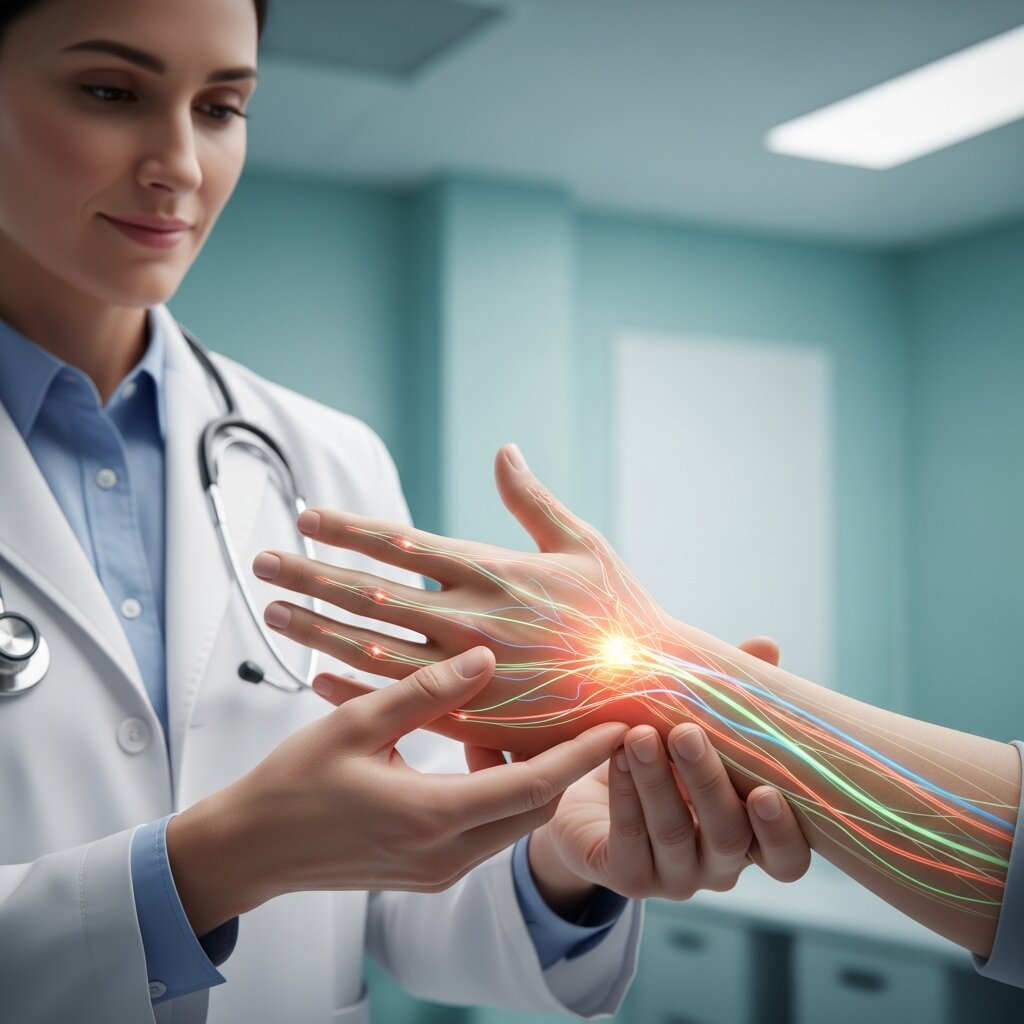
Chemotherapy drugs are designed to target and destroy rapidly dividing cancer cells, which makes them highly effective in treating cancer. However, these medications cannot always distinguish between cancerous and healthy cells. As a result, the peripheral nervous system is often affected due to its sensitivity to toxic exposure. When the delicate nerve fibers in this system become damaged, they lose their ability to properly transmit signals between the central nervous system and the rest of the body, which disrupts normal sensory and motor communication.
Common symptoms to monitor
The severity and progression of nerve damage can vary significantly from one individual to another. In many cases, symptoms begin subtly in the toes and fingers and gradually move upward if the condition progresses. Patients may feel a persistent “pins and needles” sensation, burning or sharp shooting pains, or heightened sensitivity to temperature changes, especially hot and cold. In more advanced cases, muscle weakness, reduced coordination, or balance issues may occur, making routine activities such as buttoning clothes, holding objects, or climbing stairs more difficult and frustrating.
Lifestyle Adjustments for Better Nerve Health
Gentle movement and exercise
Physical activity increases blood flow to your extremities. This enhanced circulation delivers essential oxygen and nutrients to damaged nerves, which can accelerate the healing process. Low-impact exercises like swimming, walking, and water aerobics are excellent choices. They keep your muscles engaged and improve your balance without putting undue stress on your joints.
Nutritional interventions
A nutrient-dense diet gives your body the raw materials it needs to repair cellular damage. Focus on incorporating plenty of antioxidant-rich fruits and vegetables, such as berries, leafy greens, and bell peppers. Omega-3 fatty acids, found abundantly in wild-caught salmon, walnuts, and flaxseeds, are heavily studied for their ability to reduce inflammation and support neurological health. Limiting refined sugars and processed foods is equally important, as high blood sugar levels can exacerbate nerve damage.
Herbal and Nutritional Supplements

Alpha-Lipoic Acid (ALA)
Alpha-lipoic acid is a naturally occurring antioxidant produced in small amounts by the body and also found in certain foods. It plays an important role in protecting cells from oxidative stress and free radical damage, both of which can contribute to nerve injury. Research suggests that ALA may help reduce common peripheral neuropathy symptoms such as burning, tingling, and stabbing pain. It may also support better nerve function by improving blood circulation to the nerves and enhancing the transmission of nerve signals, which can contribute to overall nerve recovery over time.
B-Vitamin Complex
The B-vitamin group is essential for maintaining a healthy and properly functioning nervous system. Among them, vitamin B12 is especially important because it helps maintain the myelin sheath, the protective covering around nerves that ensures smooth signal transmission. A deficiency in B vitamins can directly contribute to nerve damage and worsen neuropathy symptoms. Taking a balanced B-complex supplement may help fill nutritional gaps, support nerve regeneration, and improve energy production within nerve cells, all of which are important for long-term neurological health.
L-Glutamine
Physical Therapies and Mind-Body Practices
Acupuncture and acupressure
Acupuncture involves inserting incredibly thin needles into specific points on the body to stimulate the nervous system. This ancient practice encourages the release of endorphins, the body’s natural painkillers. Many patients find that regular acupuncture sessions dramatically reduce the tingling and numbness associated with neuropathy. Acupressure applies physical pressure to these same points and can be a great alternative if you are uncomfortable with needles.
Massage therapy
Therapeutic massage improves circulation and relieves muscle tension. An oncology-trained massage therapist can use gentle techniques to stimulate blood flow to your hands and feet. This increased circulation helps flush out toxins and brings healing nutrients to damaged nerve endings.
Yoga and mindfulness
Chronic pain frequently leads to heightened stress and anxiety. Yoga combines gentle stretching with deep, focused breathing. This helps improve your flexibility and balance while simultaneously calming your central nervous system. Mindfulness meditation can also change the way your brain processes pain signals, making the discomfort more manageable on a daily basis.
Topical Treatments and At-Home Remedies
Capsaicin cream
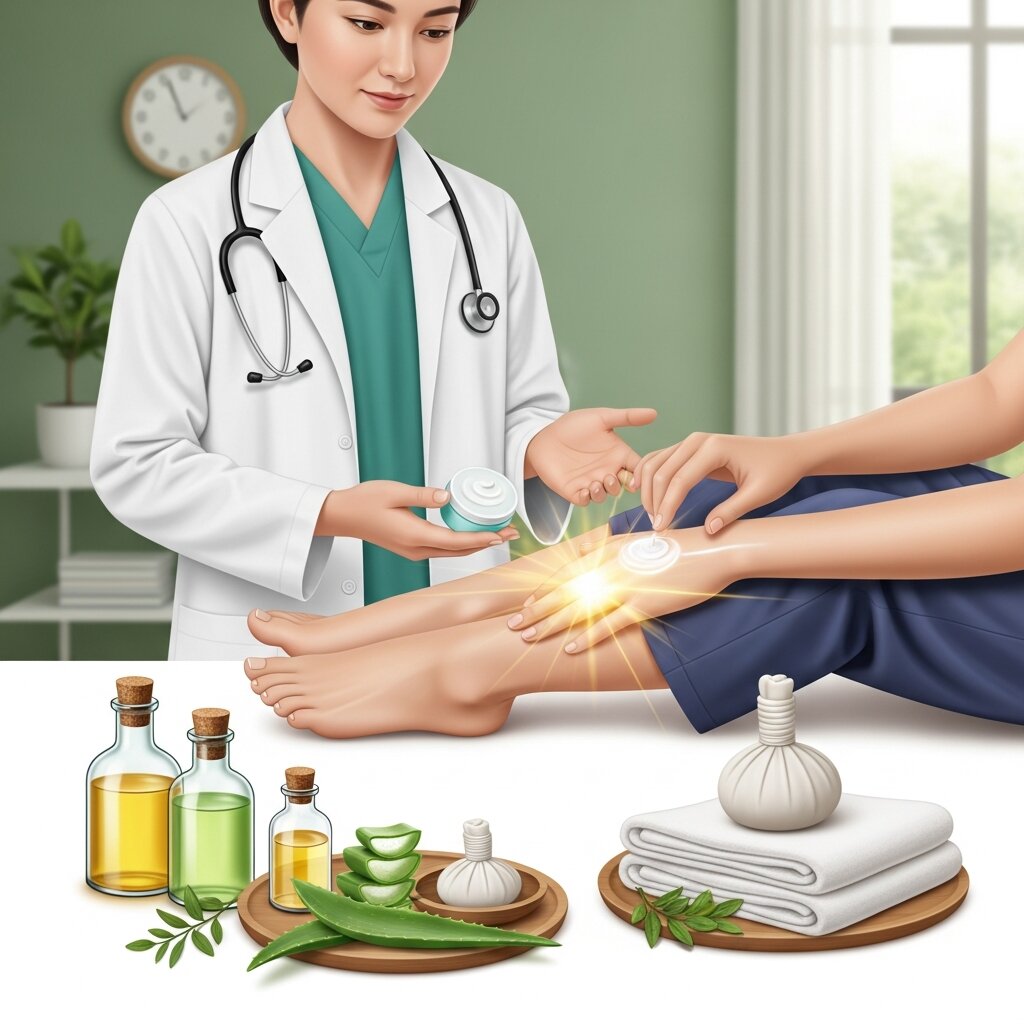
Capsaicin is the active compound found in chili peppers that produces their characteristic heat. When applied to the skin in cream form, it may initially create a warming or mild burning sensation, which usually fades with continued use. Over time, capsaicin works by reducing levels of substance P, a neurotransmitter responsible for sending pain signals to the brain. By depleting this chemical, it can gradually help decrease the intensity of localized nerve pain. With consistent application, many people experience a noticeable reduction in burning, tingling, and sensitivity in affected areas.
Essential oils
Certain essential oils are known for their natural pain-relieving and anti-inflammatory properties, making them useful for managing nerve discomfort. Peppermint oil contains menthol, which creates a cooling effect on the skin that can temporarily distract from nerve pain sensations. Lavender oil is often used for its calming and stress-relieving qualities and may also help improve sleep quality when gently massaged into the feet or hands before bedtime. To ensure safety and prevent skin irritation, essential oils should always be diluted with a carrier oil such as coconut, almond, or jojoba oil before topical use.
Epsom salt soaks
Frequently Asked Questions (FAQ)
What is the most effective chemotherapy neuropathy natural treatment?
There is no single “magic bullet” cure. The most effective approach usually combines dietary changes, targeted supplements like Alpha-Lipoic Acid, and physical therapies like acupuncture.
Can nerve damage from chemotherapy be completely reversed?
Nerves heal very slowly. Many patients see significant improvement or complete resolution of symptoms over several months to a year. However, in some cases, a degree of numbness or tingling may be permanent.
Is it safe to take supplements while still undergoing chemotherapy?
You must consult your oncologist before taking any supplements. Some high-dose antioxidants can interfere with the way chemotherapy drugs destroy cancer cells.
How does acupuncture help with neuropathy?
Acupuncture stimulates the nervous system to release endorphins and promotes blood flow to the affected areas, which helps reduce pain and encourages nerve repair.
Which foods should I avoid if I have nerve pain?
Limit your intake of refined sugars, artificial sweeteners, heavily processed foods, and excessive alcohol. These can increase inflammation and worsen nerve damage.
Does walking help with peripheral neuropathy?
Yes. Gentle, consistent walking improves circulation to your feet, delivering oxygen and nutrients that aid in repairing damaged nerve fibers.
Can a B12 deficiency make my symptoms worse?
Absolutely. Vitamin B12 is crucial for maintaining the protective coating around your nerves. A deficiency can cause or severely worsen neuropathy symptoms.
How long does it take for natural treatments to work?
Natural treatments require consistency and patience. You may start noticing subtle improvements in pain levels within a few weeks, but significant nerve healing often takes several months.
Are Epsom salt baths safe for neuropathy patients?
Epsom salt baths are generally safe and very soothing. However, because neuropathy impairs temperature sensation, you should test the water temperature with a thermometer or a sensitive part of your arm before soaking.
Can stress make neuropathy feel worse?
Yes. High stress levels trigger inflammation and make your brain more sensitive to pain signals. Managing stress through yoga or meditation can help reduce the perceived intensity of your symptoms.
Taking the Next Step Toward Nerve Repair
Dealing with nerve pain requires patience, persistence, and self-compassion. Nerves are some of the slowest-healing tissues in the human body. Finding the right chemotherapy neuropathy natural treatment plan is often a process of trial and error to see what your body responds to best.
Begin by making small, manageable changes. Try incorporating more anti-inflammatory foods into your meals, commit to a daily ten-minute walk, or schedule a consultation with a licensed acupuncturist. Most importantly, keep an open line of communication with your medical team. By combining expert medical advice with holistic, natural strategies, you can take an active role in healing your body and reclaiming your comfort.