
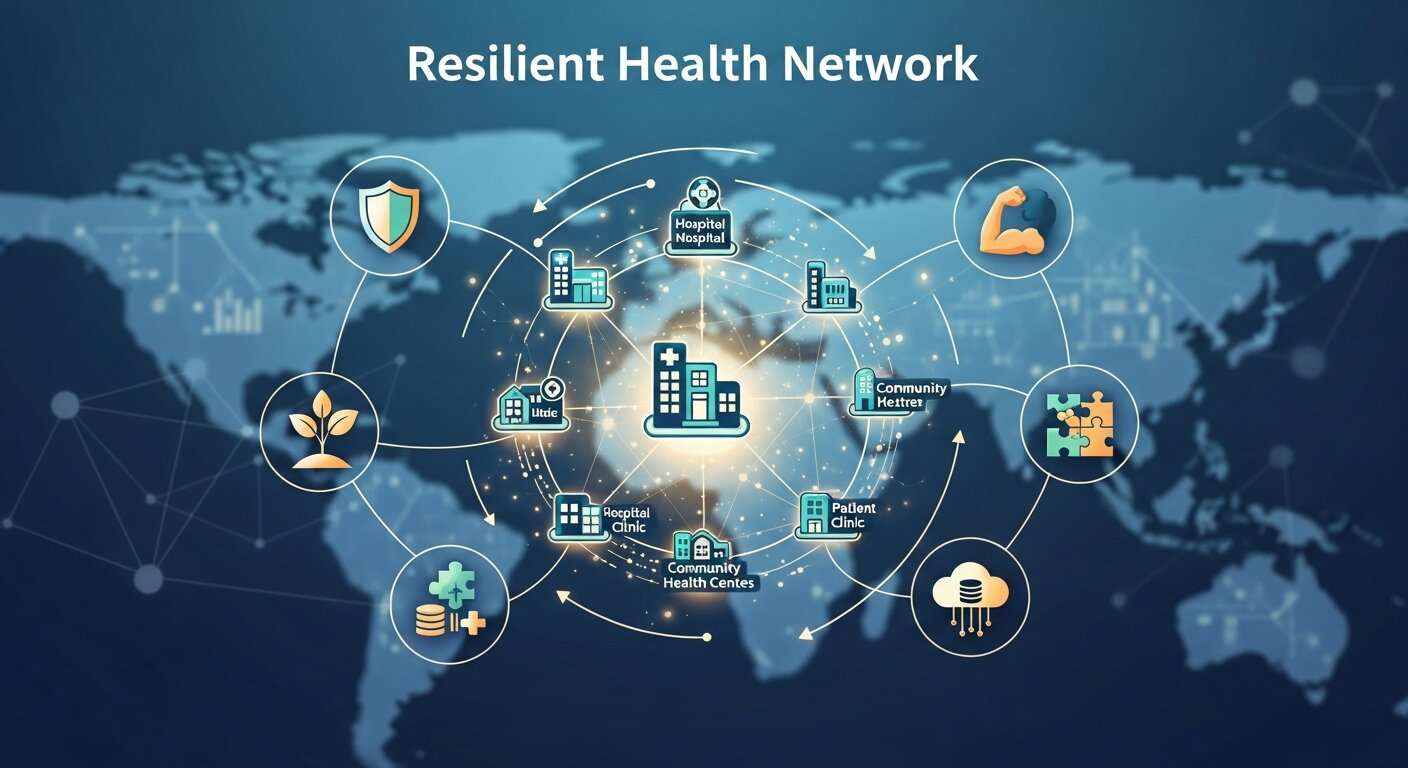
In today’s digital landscape, building resilient health networks has become a strategic priority for healthcare organizations striving to deliver integrated care effectively. A resilient health network weaves together providers, laboratories, insurers, and patients through secure data exchange and standardized workflows. By fostering continuity of care, these networks empower clinicians to maintain high-quality services during disruptions such as cyberattacks, natural disasters, or public health emergencies. Resilient health networks enhance patient engagement with reliable telehealth platforms and mobile applications, ensuring personalized care extends beyond the hospital walls.
Currently, healthcare leaders are investing in robust infrastructure, sophisticated interoperability standards, and rigorous data governance policies to safeguard sensitive information and comply with regulations. This year (2026), the focus is on leveraging cloud and edge computing to boost scalability and performance, while integrating advanced analytics and artificial intelligence to predict patient needs and optimize resource allocation. As organizations navigate this complex environment, best practices in stakeholder engagement, phased rollouts, and continuous training lay the foundation for a sustainable ecosystem.
This article explores why resilient health networks matter, the core components that underpin them, best practices for implementation, enabling technologies, and the critical governance, compliance, and privacy considerations that ensure long-term success. By understanding these elements, healthcare leaders can craft an integrated care model that responds swiftly to challenges and adapts to evolving patient demands.
Why Resilient Health Networks Matter
Resilience in health networks refers to the capacity of interconnected entities to adapt, recover, and maintain service quality amid disruptions. In an era when healthcare delivery relies heavily on digital connections, disruptions—ranging from ransomware attacks to infrastructure failures—pose significant risks to patient safety and operational continuity. Designing networks with resilience at their core ensures that organizations can uphold uninterrupted care pathways even when parts of the system encounter challenges.
First and foremost, resilient health networks promote continuity of care. When electronic health record (EHR) systems or telehealth platforms experience downtime, redundant data centers and failover strategies allow clinicians to access critical patient information without delay. This approach minimizes the risk of medication errors, reduces readmission rates, and supports seamless transitions between inpatient, outpatient, and remote monitoring settings.
Secure data exchange is another pillar of a resilient health network. By adhering to interoperability standards such as HL7 FHIR and DICOM, providers can share medical records, imaging studies, and laboratory results across diverse systems. Encryption, multi-factor authentication, and regular vulnerability assessments safeguard sensitive data against breaches, while robust audit trails enable compliance with regulations like HIPAA. For additional guidance on privacy and security best practices, healthcare professionals can consult resources from the U.S. Department of Health & Human Services (HealthIT.gov).
Patient engagement flourishes in a resilient environment, as reliable communication channels keep individuals informed and connected. Whether through secure messaging, telehealth visits, or mobile health apps, patients experience consistent follow-up care and proactive health coaching. This level of engagement fosters trust, encourages adherence to treatment plans, and ultimately drives better health outcomes.
Core Components of Resilient Health Networks

Creating resilient health networks involves the integration of people, processes, and technologies into a cohesive ecosystem. The following core components serve as the foundation for durability and scalability.
Infrastructure and Connectivity
Reliable infrastructure is the backbone of any resilient network. Redundant broadband links, virtual private network (VPN) tunnels, and multiple data center locations prevent single points of failure. Hybrid cloud architectures combine the flexibility of public clouds with the security of private environments, enabling on-demand scalability without compromising compliance. Edge computing nodes further enhance performance by processing time-sensitive data closer to the source, reducing latency for critical applications such as remote patient monitoring.
Interoperability Standards
Adopting widely recognized data exchange standards is crucial for seamless interoperability. Fast Healthcare Interoperability Resources (FHIR), Clinical Document Architecture (CDA), and Digital Imaging and Communications in Medicine (DICOM) define common structures and semantics for sharing patient information and diagnostic images. Standards alignment reduces the need for custom interfaces and accelerates integration projects across multiple vendors.
Data Governance and Security
A mature data governance framework outlines roles, responsibilities, and policies for data stewardship. Access control matrices, role-based permissions, and encryption protocols protect patient privacy, while audit logs and compliance dashboards track data usage and detect anomalies. Regular penetration testing and risk assessments ensure defenses against emerging threats.
Patient-Centered Technologies
Resilient networks extend care beyond traditional settings through telehealth platforms, mobile health applications, and connected medical devices. Wearables and remote monitoring systems feed real-time vital signs into the clinical workflow, enabling proactive interventions. By embedding patient engagement tools into the network, healthcare providers can deliver personalized care plans and educational resources that adapt to individual needs.
Best Practices for Implementation
Effective deployment of resilient health networks requires a structured approach that aligns stakeholders, validates technologies, and fosters a culture of continuous improvement. The following best practices guide successful implementation.
Technology Enablers and Governance, Compliance, and Privacy in Resilient Health Networks

Advancements in digital health technologies accelerate the development of resilient health networks by enhancing connectivity, intelligence, and automation.
API-Driven Integration
Application programming interfaces (APIs) provide modular connectivity between electronic health record (EHR) systems, laboratory information systems, imaging archives, and billing platforms. RESTful services and FHIR-based APIs streamline data access and reduce the need for custom middleware, making integrations more agile and maintainable.
Cloud and Edge Computing
Hybrid cloud environments offer scalability, cost efficiency, and disaster recovery capabilities. Edge computing nodes process critical data—such as telemetry from remote monitoring devices—locally to minimize latency and ensure continuity of care, even when connectivity to central servers fluctuates.
Artificial Intelligence and Analytics
AI-driven predictive models forecast patient risk, optimize staffing levels, and detect network anomalies in real time. Advanced analytics platforms surface actionable insights from large datasets, guiding clinical decision-making and operational planning. Institutions like the National Institutes of Health (NIH) publish research on AI applications in healthcare, offering valuable guidance for adoption strategies.
Internet of Medical Things (IoMT)
A network of connected medical devices—including smart beds, infusion pumps, and wearable sensors—generates continuous clinical data streams. This data enables early intervention, personalized treatment plans, and efficient resource allocation. IoMT architectures must incorporate device management protocols and robust security controls to maintain network integrity.
Regulatory requirements and privacy considerations underpin every aspect of network design and operation. Adherence to standards such as HIPAA, GDPR, and local health data laws is non-negotiable for protecting patient rights and organizational reputation.
Data Classification and Retention Policies
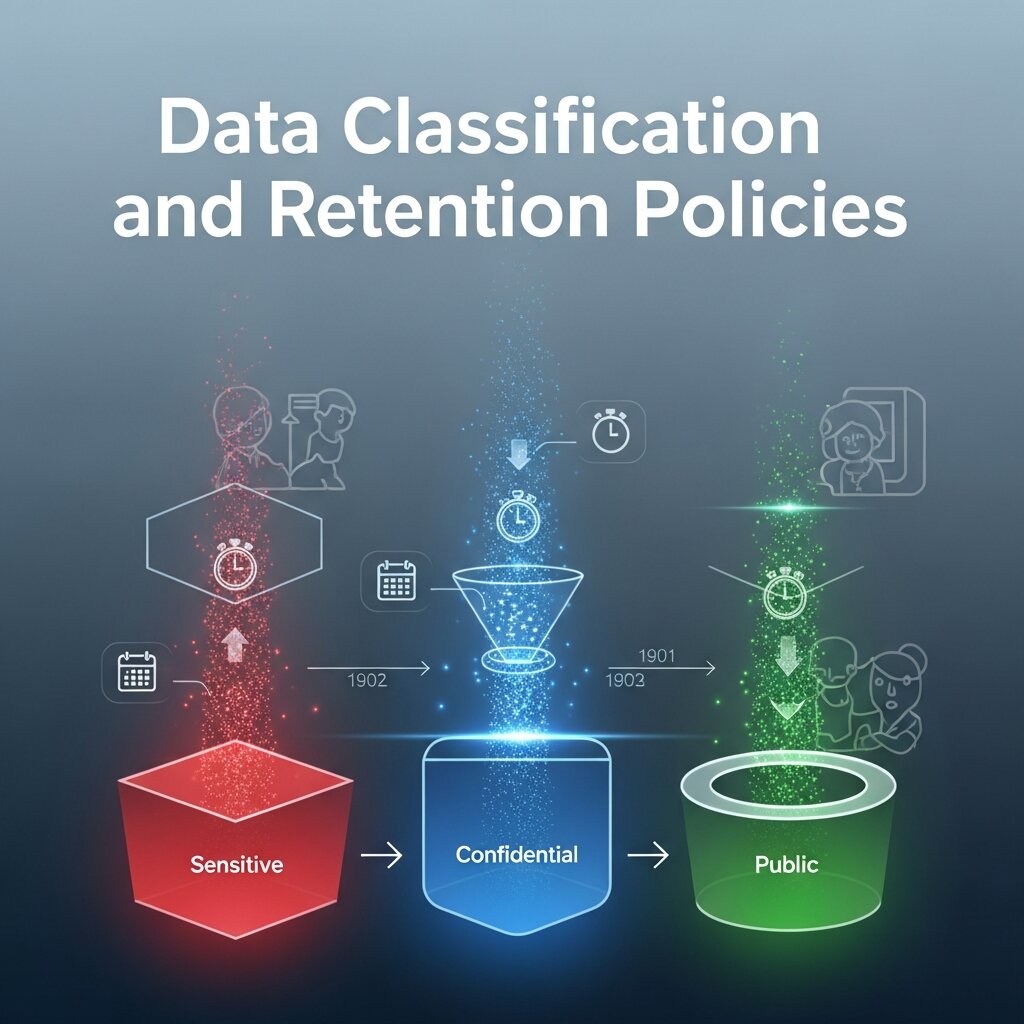
Classification schemas categorize data based on sensitivity and usage, dictating storage methods and retention periods. Automated archiving and secure deletion workflows ensure compliance with record-keeping regulations and support legal discovery processes.
Access Control and Role-Based Permissions
Role-based access management (RBAC) ensures that users have only the privileges necessary to perform their duties. Fine-grained permissions and conditional access policies reduce the attack surface and prevent unauthorized data exposure.
Incident Response and Disaster Recovery
Comprehensive incident response plans define escalation paths, communication protocols, and remediation procedures. Regular disaster recovery drills test backup systems and validate failover processes, ensuring rapid restoration of critical services during disruptions.
Audit and Compliance Reviews
Internal and external audits assess adherence to governance policies, security controls, and regulatory mandates. Automated compliance reporting tools generate evidence for oversight bodies and support risk management efforts.
Conclusion
Building resilient health networks is essential for delivering integrated, patient-centered care in today’s dynamic healthcare environment. By investing in reliable infrastructure, interoperable standards, advanced technologies, and rigorous governance frameworks, organizations can create networks that adapt to disruptions and drive lasting improvements in quality and efficiency. Continuous stakeholder engagement, phased implementation strategies, and proactive performance monitoring ensure that these networks evolve with changing clinical and regulatory demands. As the healthcare ecosystem continues to embrace digital transformation, resilient health networks will serve as the backbone of a connected, secure, and responsive care delivery model. Embrace these best practices today to position your organization for success in this year (2026) and beyond.