
Stress often feels like an unavoidable part of daily life. It creeps into our mornings, dictates our schedules, and keeps us awake late at night. Left unmanaged, chronic tension can impact everything from your physical health to your emotional well-being. Finding an effective way to manage these overwhelming feelings is crucial for maintaining a balanced life.
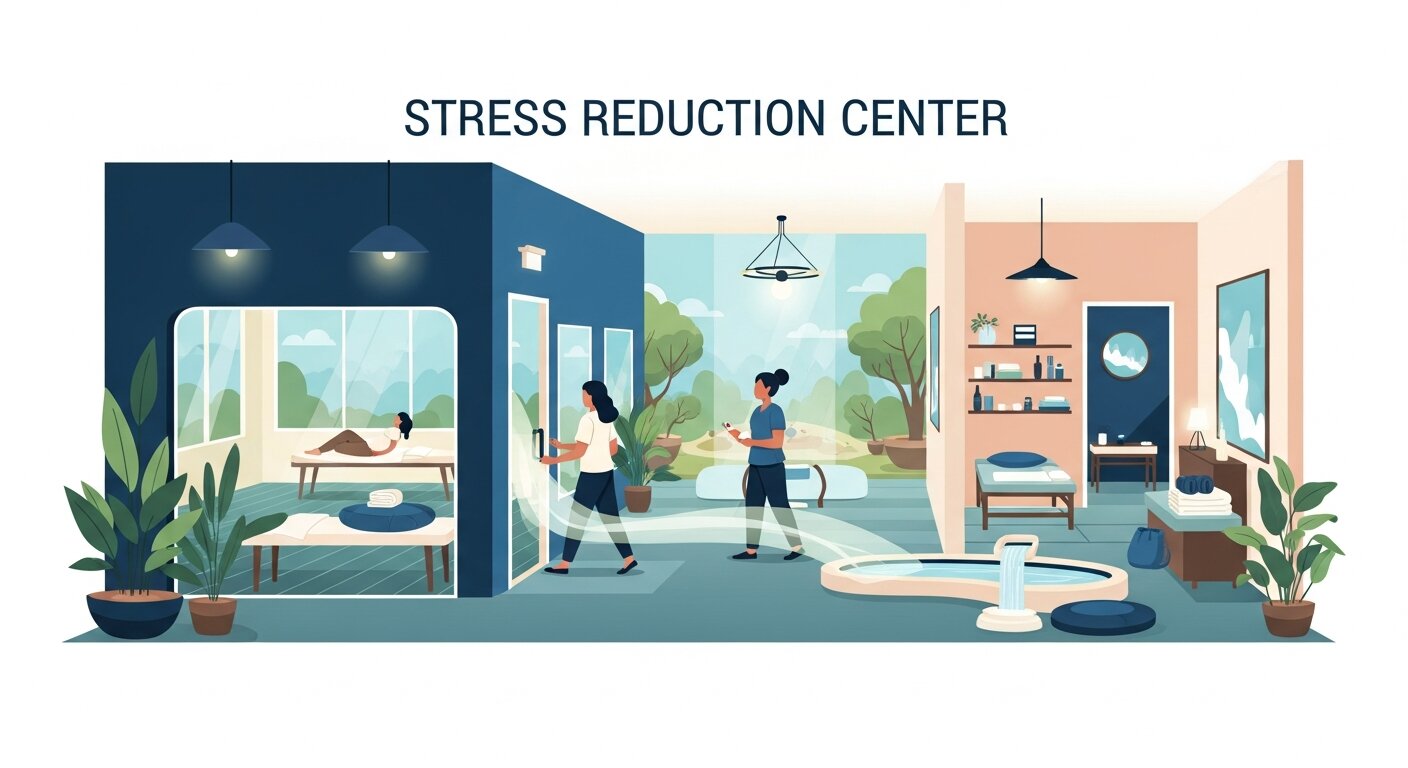
A dedicated center for stress reduction offers a structured, supportive environment designed to help you regain control. These facilities provide specialized tools, expert guidance, and proven therapies to tackle anxiety at its root. Instead of simply masking symptoms, the right center helps you build long-term resilience and emotional stability.
In this comprehensive guide, we will explore the different types of stress management facilities available to you. You will learn about various treatment approaches, from mindfulness clinics to corporate training programs, and discover exactly what to look for when choosing the perfect center for stress reduction to meet your unique needs.
Locating a Stress Relief Therapy Center Near Me
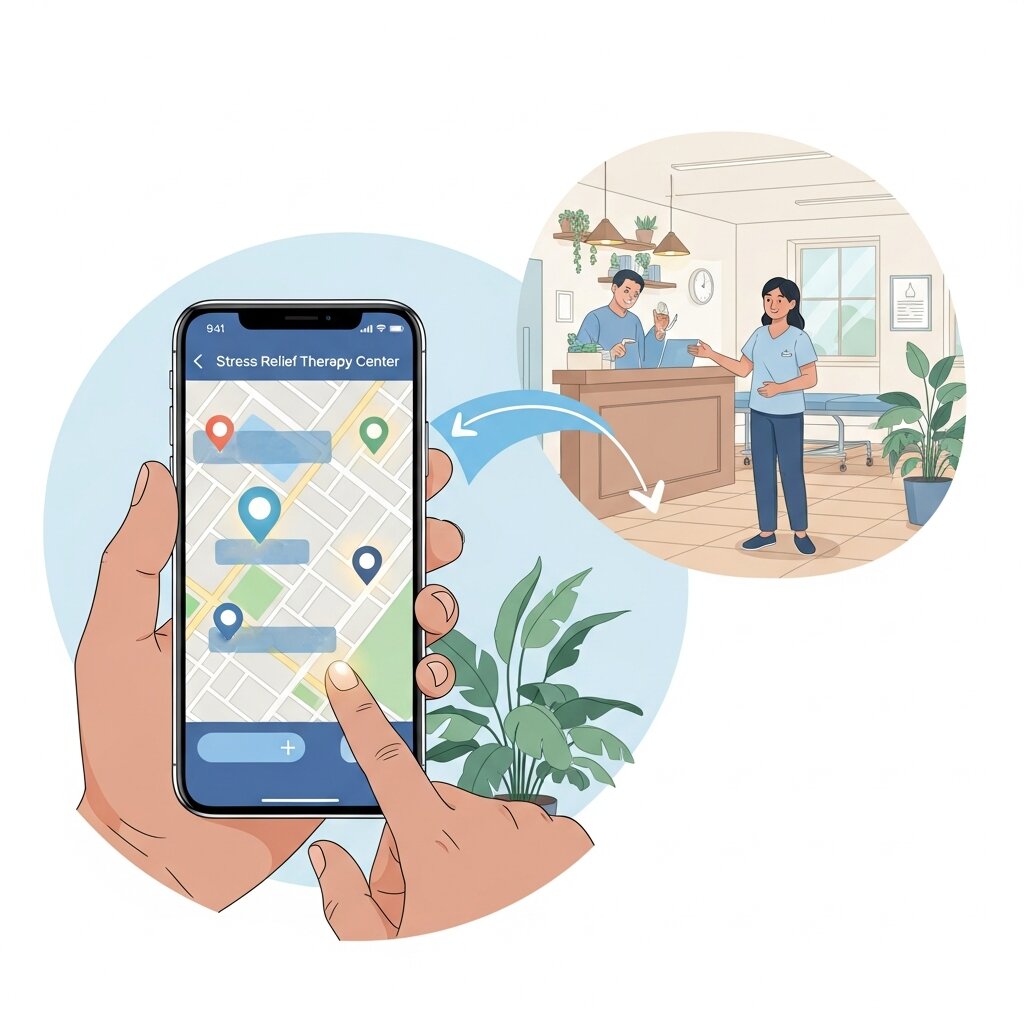
When you feel overwhelmed, convenience matters. Searching for a “stress relief therapy center near me” is often the first step toward getting help. Local centers provide accessible support without the added burden of a long commute, making it much easier to commit to regular therapy sessions.
Community-based clinics often tailor their services to the specific needs of the local population. They might offer flexible evening hours, weekend workshops, or sliding-scale payment options. Finding a nearby facility ensures you can integrate therapy smoothly into your existing routine, which significantly increases your chances of long-term success.
The Role of a Mindfulness and Stress Management Clinic
Mindfulness teaches you how to anchor yourself in the present moment. A mindfulness and stress management clinic focuses heavily on this practice, helping individuals break the cycle of anxious, forward-thinking thoughts. By learning to observe your thoughts without judgment, you can lower your physiological stress response.
These clinics typically offer group classes, guided meditation sessions, and one-on-one mindfulness coaching. Instructors provide practical exercises you can use at home, at work, or during a stressful commute. The skills learned here act as a mental toolkit, giving you the power to calm your nervous system wherever you are.
Exploring Anxiety and Stress Reduction Programs
Sometimes, general relaxation techniques are not enough to combat deep-rooted anxiety. In these cases, specialized anxiety and stress reduction programs offer a more intensive approach. These programs are highly structured and typically run for a set number of weeks, providing a clear roadmap to recovery.
Participants undergo comprehensive assessments before beginning the program. Mental health professionals then design a customized curriculum that might include stress tracking, trigger identification, and exposure therapy. This systematic approach ensures that you address the underlying causes of your tension, leading to more sustainable relief.
What to Expect from a Holistic Stress Management Center
Healing at a Meditation and Relaxation Therapy Center
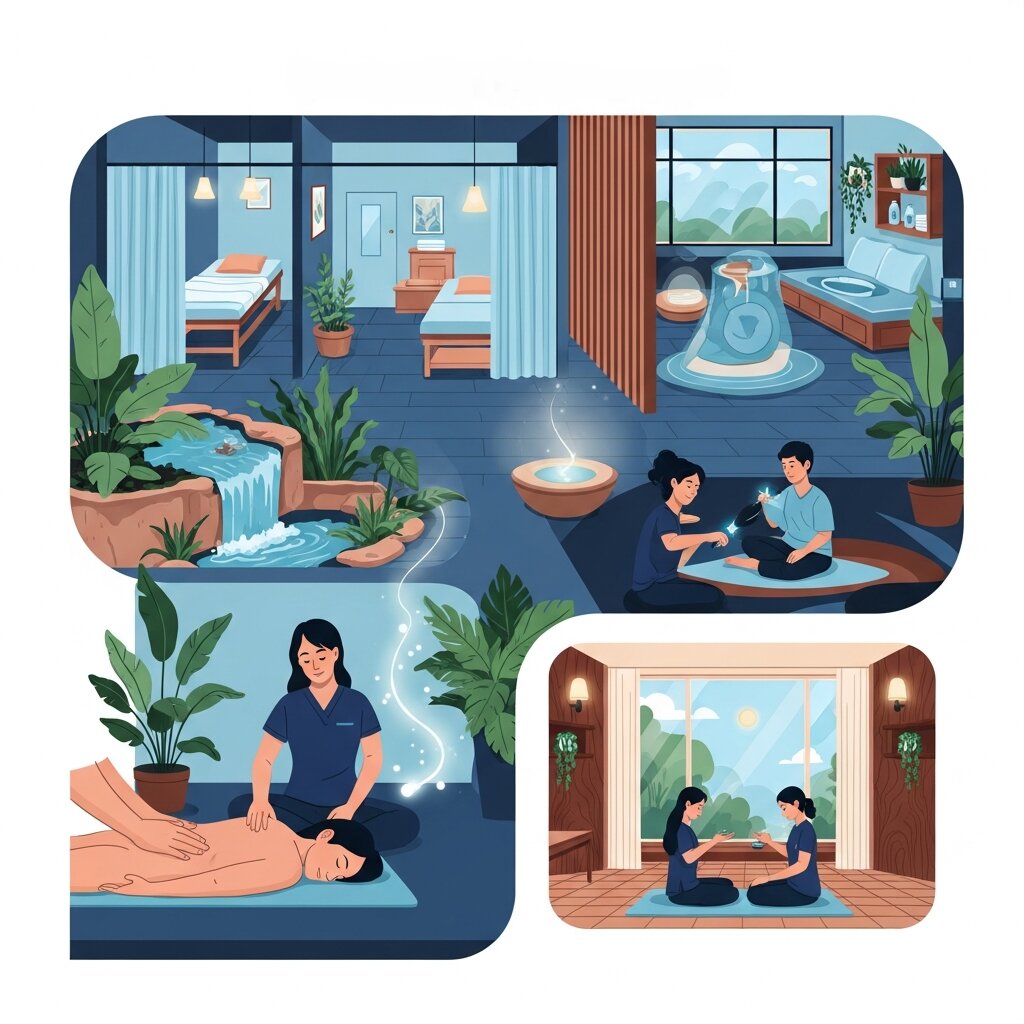
If you struggle to turn off your racing thoughts, a meditation and relaxation therapy center provides the perfect sanctuary. These facilities are designed specifically to promote deep relaxation. The environment is usually calm, quiet, and free from external distractions, allowing your nervous system to reset completely.
Services often include guided breathwork, sound baths, and progressive muscle relaxation. Instructors gently guide you through techniques that slow your heart rate and lower cortisol levels. Regular visits to a relaxation center can profoundly alter how your body responds to everyday pressures.
The Benefits of a Mental Wellness and Stress Relief Center
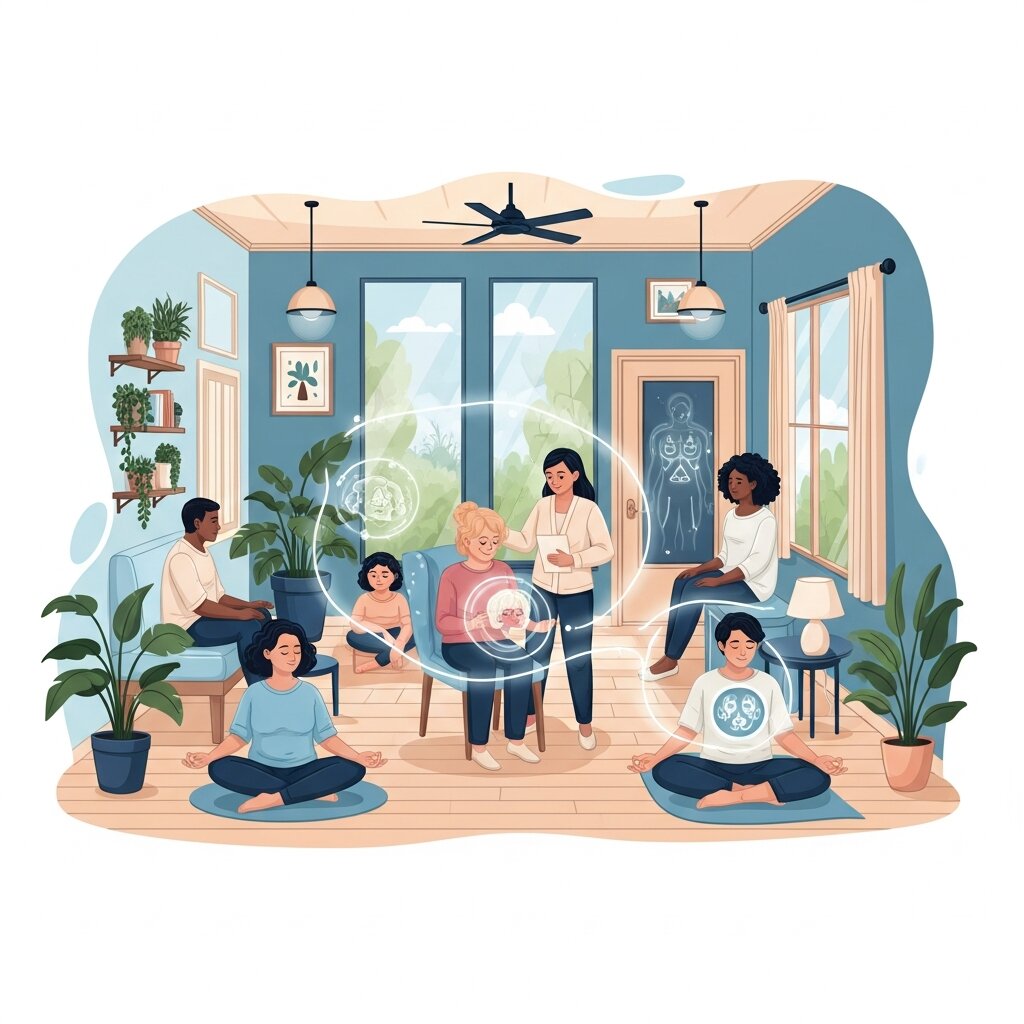
A mental wellness and stress relief center operates on the philosophy that proactive mental healthcare is just as important as physical healthcare. These centers do not just treat acute anxiety; they focus on overall psychological optimization. They are excellent resources for people who want to improve their emotional intelligence and mental clarity.
These facilities often host workshops on emotional regulation, sleep hygiene, and relationship communication. By treating mental wellness as a continuous journey, they empower you to build a life that feels manageable, joyful, and deeply fulfilling.
Exploring a Cognitive Behavioral Stress Therapy Center
Cognitive Behavioral Therapy (CBT) is one of the most effective, evidence-based treatments for anxiety. A cognitive behavioral stress therapy center focuses almost exclusively on this methodology. CBT operates on a simple premise: your thoughts influence your feelings, which in turn influence your behaviors.
Therapists at these centers help you identify irrational or catastrophic thought patterns. Once identified, you learn to challenge and reframe these thoughts into more realistic, balanced perspectives. This practical, goal-oriented approach provides rapid relief for people dealing with intense, stress-induced thought spirals.
Seeking Professional Stress Reduction Counseling Services
Sometimes, the best way to process overwhelm is to talk it out with an expert. Professional stress reduction counseling services connect you with licensed therapists, psychologists, or clinical social workers. These professionals offer a safe, confidential space to explore the specific challenges driving your stress.
Counseling services are highly personalized. Your therapist will work with you to uncover past traumas, set healthy boundaries, and develop effective coping mechanisms. Having a dedicated professional in your corner can dramatically accelerate your journey toward mental peace.
Visiting a Relaxation and Mental Health Treatment Center
For individuals experiencing severe burnout or debilitating panic, a standard weekly therapy session might not be sufficient. A relaxation and mental health treatment center offers more intensive outpatient or residential care. These centers are equipped to handle complex psychological challenges that require a multidisciplinary approach.
Patients receive daily support from a team of psychiatrists, therapists, and holistic practitioners. The immersive nature of a treatment center removes you from your standard stress triggers, providing the physical and emotional space required for deep healing.
Building Resilience with a Corporate Stress Management Training Center
Workplace burnout costs companies billions of dollars annually in lost productivity and healthcare expenses. A corporate stress management training center focuses on systemic stress reduction within organizations. These centers work directly with businesses to improve employee well-being and company culture.
Services include executive coaching, team-building workshops, and resilience training seminars. By teaching employees how to manage their workloads, communicate effectively, and maintain a healthy work-life balance, these centers help companies cultivate a thriving, productive workforce.
Frequently Asked Questions
1. What is a center for stress reduction?
A center for stress reduction is a specialized facility that offers professional therapies, programs, and tools to help individuals manage and lower their stress levels. These centers employ mental health professionals, holistic practitioners, and wellness experts.
2. Who should visit a center for stress reduction?
Anyone experiencing chronic tension, burnout, anxiety, or physical symptoms of stress (like insomnia or headaches) can benefit. They are helpful for corporate professionals, busy parents, students, and anyone feeling overwhelmed by daily life.
3. How much does a center for stress reduction cost?
Costs vary widely depending on the location, the type of center, and the specific programs offered. Some community clinics offer sliding-scale fees, while luxury holistic centers charge premium rates.
4. Does insurance cover a center for stress reduction?
Many health insurance plans cover treatments provided by licensed therapists or psychologists at a center for stress reduction. However, alternative therapies like acupuncture or yoga are often out-of-pocket expenses. Always check with your provider.
5. What therapies are offered at a center for stress reduction?
Common therapies include Cognitive Behavioral Therapy (CBT), mindfulness meditation, biofeedback, massage therapy, group counseling, and breathwork exercises.
6. How long is a program at a center for stress reduction?
Program lengths vary. Some centers offer weekly one-hour sessions, while others provide intensive 6-to-8-week programs or even multi-day retreats.
7. Can a center for stress reduction help with physical symptoms?
Yes. Chronic stress often manifests physically as high blood pressure, digestive issues, and muscle tension. The therapies offered at these centers help calm the nervous system, which often alleviates these physical symptoms.
8. Are center for stress reduction programs customized?
Most reputable centers will conduct an initial assessment to understand your specific triggers and goals. They will then create a personalized treatment plan tailored to your unique situation.
9. Do I need a referral to visit a center for stress reduction?
In most cases, you do not need a referral. You can reach out to a center directly to schedule an intake appointment. However, if you are using HMO insurance, you might need a referral from your primary care physician.
10. What is the difference between a center for stress reduction and a standard clinic?
A standard medical clinic treats a wide variety of physical illnesses, whereas a center for stress reduction focuses exclusively on mental wellness, nervous system regulation, and anxiety management techniques.
11. Can children attend a center for stress reduction?
Many centers offer specialized programs for children and teenagers. Youth programs often focus on school-related anxiety, peer pressure, and building early emotional regulation skills.
12. Are virtual sessions available at a center for stress reduction?
Yes. Following the rise of telehealth, many centers now offer virtual counseling, online meditation classes, and digital wellness workshops for those who cannot attend in person.
13. Will I learn meditation at a center for stress reduction?
Meditation is a core component of many stress reduction programs. Instructors will teach you how to practice mindfulness and guided meditation so you can continue the habit at home.
14. How quickly will I see results from a center for stress reduction?
Some people feel relief after a single deep relaxation session. However, building long-term resilience and changing deeply ingrained thought patterns usually takes several weeks or months of consistent practice.
15. How do I choose the best center for stress reduction?
Identify your primary goals first. If you want clinical therapy, look for a cognitive behavioral center. If you want alternative healing, look for a holistic center. Read reviews, verify the staff’s credentials, and schedule a consultation to ensure the environment feels right for you.
Take the Next Step Toward a Calmer Life
Living with constant stress and emotional tension does not have to define your life. With the right support and consistent effort, you can gradually retrain your mind and body to respond to pressure in a healthier, more balanced way. By connecting with a dedicated center for stress reduction, you gain access to structured programs, professional guidance, and evidence-based therapies designed to help you restore emotional stability, improve mental clarity, and build long-term resilience.
Instead of waiting until burnout or anxiety becomes overwhelming, taking early action can make a significant difference in your overall well-being. Start by exploring reputable centers in your area, reviewing their services and treatment approaches, and scheduling a consultation to understand what best fits your needs. Even small proactive steps today can lead to meaningful improvements over time. Reclaiming your sense of calm, balance, and control is absolutely possible—you simply need to take that first intentional step toward healing.