


Nerve Health Supplements can help support nerve repair, reduce nerve pain, and protect against further nerve damage by providing essential nutrients like vitamin B12, alpha lipoic acid, magnesium, vitamin D, and omega-3 fatty acids. When combined with a healthy lifestyle and medical guidance, these supplements may improve nerve function and overall neurological health.
The best nerve health supplements include vitamin B12, alpha lipoic acid, vitamin D, magnesium, and B-complex vitamins. These nutrients support nerve repair, reduce nerve pain, and protect against further nerve damage. Results vary by individual, and consulting a healthcare provider before starting any supplement regimen is recommended.
Nerve pain is one of those things that’s hard to describe until you’ve felt it. Burning, tingling, numbness, shooting sensations—peripheral neuropathy affects an estimated 20 million people in the United States, according to the National Institute of Neurological Disorders and Stroke. Yet many people don’t realize that nutritional deficiencies are among the most common and correctable causes of nerve damage.
The nervous system depends on a precise mix of vitamins and minerals to function properly. When those nutrients run low—whether due to diet, medication use, aging, or chronic illness—nerves begin to suffer. Fortunately, targeted supplementation can play a meaningful role in supporting nerve repair, relieving discomfort, and preventing further deterioration.
This post covers the most evidence-backed nerve health supplements available, breaking down how each one works, who benefits most, and what to look for when choosing a product. Whether you’re managing diagnosed neuropathy or simply looking to support long-term neurological health, this guide gives you a clear starting point.
What Nutrients Does the Nervous System Need?
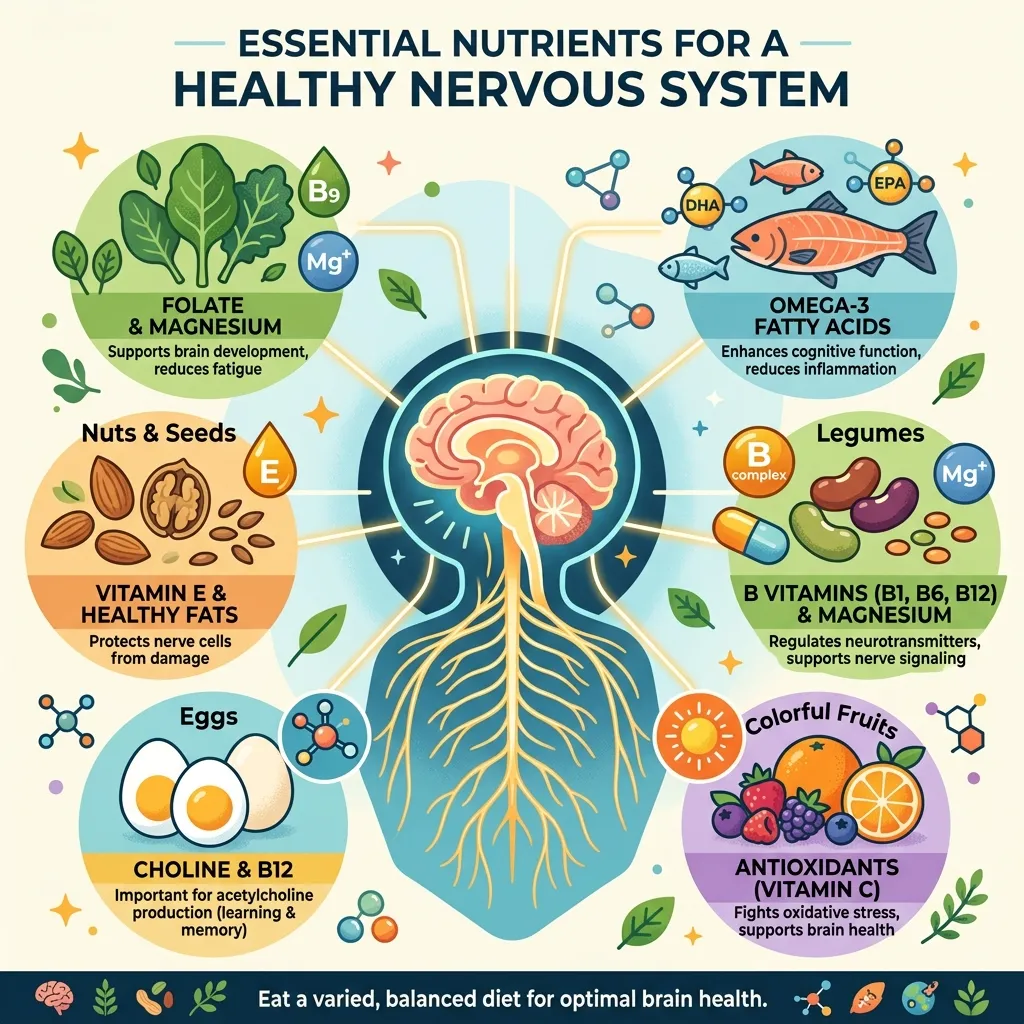
Before diving into specific supplements, it helps to understand what nerves actually need to stay healthy.
Nerves are made up of specialized cells called neurons. Each neuron is wrapped in a protective coating called the myelin sheath—think of it like the plastic insulation around an electrical wire. When this sheath degrades, nerve signals slow down or misfire, producing the characteristic symptoms of neuropathy.
Maintaining myelin integrity requires B vitamins, particularly B12. Nerve cell membranes need healthy fats and antioxidants to resist oxidative damage. Neurotransmitter production depends on amino acids and minerals like magnesium and zinc. Supporting all of these processes simultaneously is what makes a well-rounded nerve supplement stack so effective.
Vitamin B12 for Nerve Health: The Most Critical Nutrient
Why is vitamin B12 so important for nerve health?
Vitamin B12 is arguably the most essential nutrient for nerve function. It plays a direct role in synthesizing myelin, the protective sheath that surrounds and insulates nerve fibers. A deficiency in B12 doesn’t just slow nerve repair—it actively accelerates nerve damage.
According to a study published in The Journal of Nutrition (2016), B12 deficiency is associated with peripheral neuropathy, memory problems, and balance difficulties. Deficiency is particularly common among:
- Adults over 50 (due to reduced stomach acid production)
- People taking metformin for type 2 diabetes
- Vegans and vegetarians
- Those with conditions like Crohn’s disease or celiac disease
What form of B12 is best for nerve repair?
Not all B12 supplements are equal. Methylcobalamin is the active, bioavailable form of B12 and is generally considered superior to cyanocobalamin for neurological applications. Research suggests methylcobalamin crosses the blood-brain barrier more effectively and may support nerve regeneration at higher doses.
Typical supplementation doses range from 500 mcg to 2,000 mcg daily for those addressing a deficiency, though a healthcare provider should guide therapeutic dosing.
Alpha Lipoic Acid for Nerves: A Powerful Antioxidant
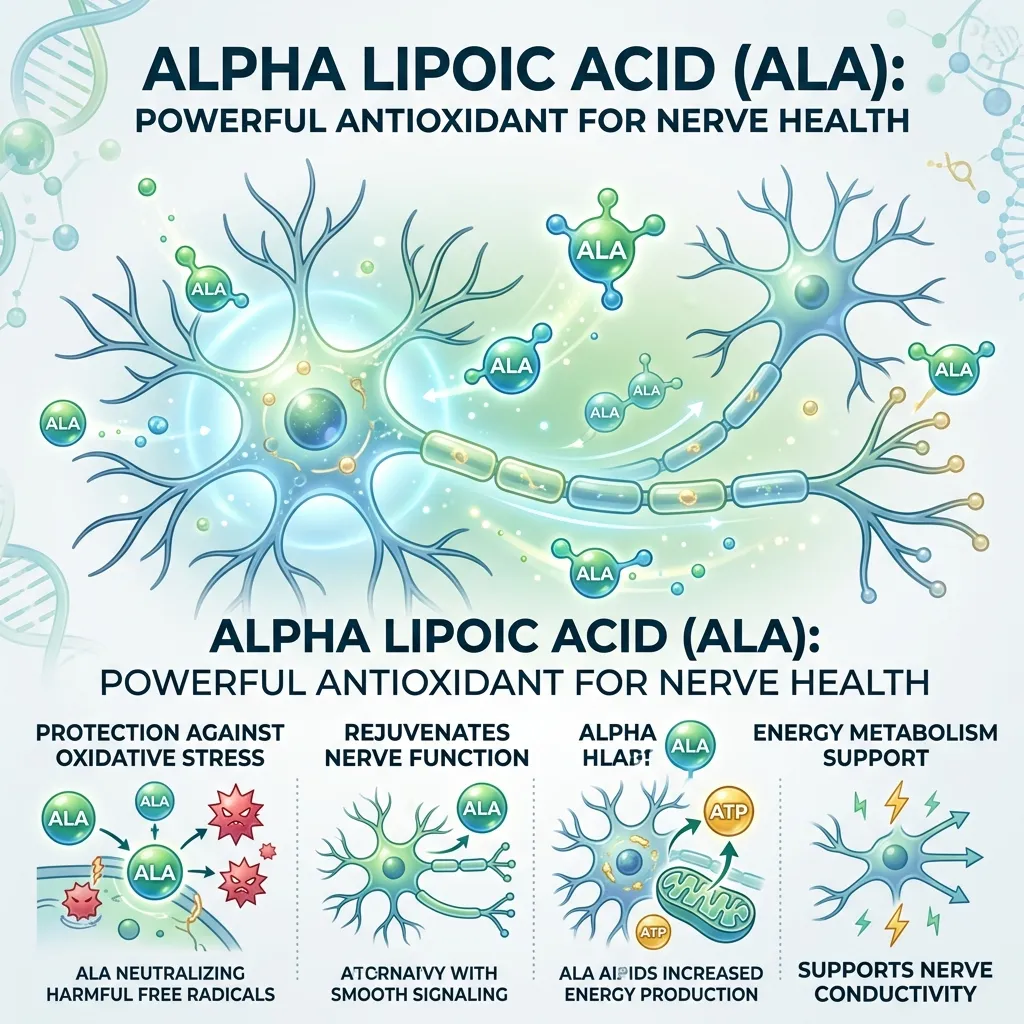
How does alpha lipoic acid help with nerve pain and neuropathy?
Alpha lipoic acid (ALA) is a naturally occurring antioxidant produced in small amounts by the body. What makes ALA particularly valuable for nerve health is its dual solubility—it works in both water-soluble and fat-soluble environments, allowing it to protect nerve cells from oxidative stress in ways that most antioxidants cannot.
ALA has been studied extensively in the context of diabetic peripheral neuropathy. A 2012 meta-analysis published in Diabetes Care found that intravenous ALA significantly reduced neuropathic pain scores in patients with diabetic neuropathy. Oral supplementation has shown similar, if slightly more modest, benefits in clinical trials.
Key mechanisms by which ALA supports nerve health:
- Reduces oxidative stress that damages nerve fibers
- Improves insulin sensitivity, which indirectly protects nerves in diabetic patients
- Regenerates other antioxidants, including vitamins C and E, amplifying their protective effects
What dose of alpha lipoic acid is effective for neuropathy?
Clinical studies on ALA for neuropathy have typically used doses between 600 mg and 1,800 mg per day. R-ALA (the R-isomer) is the biologically active form and is considered more potent than racemic ALA supplements. Starting with a lower dose and gradually increasing it is advisable to minimize potential gastrointestinal side effects.
B-Complex Vitamins for Nerve Repair
Which B vitamins support nerve regeneration and repair?
While B12 gets the most attention, the entire B-vitamin family contributes to nerve health. A quality B-complex supplement provides several neurologically active nutrients in one formula:
- Vitamin B1 (Thiamine): Essential for nerve impulse transmission. Benfotiamine, a fat-soluble form of B1, penetrates nerve tissue more effectively than standard thiamine and has shown promise in reducing diabetic neuropathy symptoms.
- Vitamin B6 (Pyridoxine): Supports neurotransmitter synthesis and myelin maintenance. Notably, excessive B6 intake (above 100 mg/day long-term) can paradoxically cause neuropathy, so dosing should remain within safe ranges.
- Vitamin B9 (Folate): Works in tandem with B12 to support nerve cell production and homocysteine regulation. Elevated homocysteine levels are linked to nerve damage and cognitive decline.
Choose supplements that provide folate as methylfolate rather than folic acid, which is better absorbed by people with certain genetic variants (MTHFR gene mutations).
Vitamin D and Nerve Health: An Underestimated Connection

Does vitamin D deficiency cause nerve pain?
Research increasingly links low vitamin D levels to neuropathic pain and impaired nerve function. Vitamin D receptors are found throughout the nervous system, including in Schwann cells—the cells responsible for producing myelin in the peripheral nervous system.
A 2015 study published in Pain Medicine found that vitamin D supplementation significantly reduced neuropathic pain in deficient patients. Vitamin D deficiency is widespread; the Centers for Disease Control and Prevention (CDC) estimates that approximately 42% of American adults have insufficient vitamin D levels.
The recommended daily allowance for vitamin D is 600–800 IU for most adults, but therapeutic doses for deficiency correction often range from 2,000 to 5,000 IU daily under medical supervision. Choose vitamin D3 (cholecalciferol) over D2, as D3 is more effective at raising serum 25(OH)D levels.
Magnesium for Nerve Function and Pain Relief
How does magnesium supplement nerve function and reduce pain?
Magnesium plays a critical role in nerve signal transmission by regulating calcium channels—the same channels that control pain signaling. Low magnesium levels increase neuronal excitability, which can amplify pain perception and contribute to nerve hypersensitivity.
Studies have shown that magnesium supplementation may:
- Reduce neuropathic pain by blocking NMDA receptors involved in pain processing
- Improve nerve conduction velocity in patients with diabetic neuropathy
- Support healthy sleep, which is critical for nerve repair and recovery
Magnesium glycinate and magnesium malate are generally the best-tolerated forms for daily supplementation, with magnesium oxide being the least bioavailable despite being commonly sold. A typical therapeutic dose ranges from 200 mg to 400 mg elemental magnesium per day.
Natural Nerve Health Supplements Worth Considering
What natural supplements support nerve regeneration beyond vitamins?
Beyond vitamins and minerals, several natural compounds have demonstrated meaningful effects on nerve health:
Acetyl-L-Carnitine
Acetyl-L-carnitine (ALC) is an amino acid derivative that plays a role in energy production within nerve cells. Multiple randomized controlled trials have found that ALC supplementation reduces pain and improves nerve fiber density in patients with peripheral neuropathy. A 2014 meta-analysis in PLOS ONE concluded that ALC was significantly more effective than placebo for reducing pain scores in diabetic neuropathy patients.
Typical doses range from 500 mg to 2,000 mg per day, taken in divided doses.
Omega-3 Fatty Acids
Omega-3 fatty acids—particularly EPA (eicosapentaenoic acid) and DHA (docosahexaenoic acid) from fish oil—are foundational for maintaining the integrity of nerve cell membranes. DHA is especially concentrated in neural tissue and supports anti-inflammatory signaling that helps protect against nerve damage.
Aim for a combined EPA/DHA intake of at least 1,000–2,000 mg daily for neurological support.
Evening Primrose Oil
Evening primrose oil is rich in gamma-linolenic acid (GLA), an omega-6 fatty acid that has shown promise in clinical trials for diabetic neuropathy. GLA may improve nerve blood flow and conduction velocity, though more research is needed to establish definitive protocols.
How to Choose the Best Nerve Support Supplement
What should you look for when buying a nerve health supplement?
With hundreds of products on the market, selecting a high-quality nerve health supplement requires attention to a few key factors:
- Third-party testing: Look for products certified by USP, NSF International, or Informed Sport. These certifications verify that a supplement contains what it claims—without contaminants.
- Bioavailable forms: Active forms of nutrients (methylcobalamin over cyanocobalamin, methylfolate over folic acid, D3 over D2) are absorbed and utilized more effectively.
- Transparent labeling: Avoid proprietary blends that obscure individual ingredient doses. You need to know exactly how much of each active ingredient you’re getting.
- Clinical dose verification: Cross-reference the amounts included in any supplement against doses used in published research. Many products include popular ingredients at doses too low to be effective.
Building a Supplement Stack for Nerve Health
What is the most effective combination of supplements for nerve pain and repair?
A foundational nerve health supplement stack for most adults would include:
|
Supplement |
Target Dose |
Primary Benefit |
|---|---|---|
|
Methylcobalamin (B12) |
1,000–2,000 mcg/day |
Myelin repair and synthesis |
|
Alpha Lipoic Acid (R-ALA) |
600 mg/day |
Antioxidant protection |
|
Magnesium Glycinate |
200–400 mg/day |
Nerve signal regulation |
|
Vitamin D3 |
2,000 IU/day |
Myelin production support |
|
Acetyl-L-Carnitine |
500–1,500 mg/day |
Nerve energy metabolism |
|
Omega-3 (EPA/DHA) |
1,000–2,000 mg/day |
Membrane integrity |
Those with confirmed B12 or vitamin D deficiency may require higher therapeutic doses, which should be guided by blood test results and a healthcare provider.
Start With What the Evidence Supports
Nerve health supplements won’t undo severe structural nerve damage overnight—but they can meaningfully support repair, reduce pain, and prevent further deterioration when used consistently and correctly.
The strongest evidence currently supports vitamin B12 (as methylcobalamin), alpha lipoic acid, acetyl-L-carnitine, and magnesium as the core components of a nerve support supplement regimen. Vitamin D and omega-3 fatty acids round out a comprehensive approach, particularly for those with documented deficiencies or inflammatory contributors to neuropathy.
Before starting any new supplement protocol, get baseline bloodwork done. Knowing your actual B12, vitamin D, and magnesium levels takes the guesswork out of supplementation and helps you track real progress over time. From there, work with a neurologist or integrative medicine physician to tailor your approach to your specific diagnosis and health history.
Frequently Asked Questions
What are the best supplements for nerve health?
The most evidence-backed nerve health supplements include methylcobalamin (vitamin B12), alpha lipoic acid, acetyl-L-carnitine, magnesium glycinate, vitamin D3, and omega-3 fatty acids. Each addresses different aspects of nerve function, from myelin production to oxidative stress and pain signaling.
How long does it take for nerve health supplements to work?
Most people begin noticing modest improvements in nerve pain or sensation within 4–12 weeks of consistent supplementation. Nerve repair is a slow biological process—significant improvements in nerve fiber density and function may take 3–6 months or longer, particularly in cases of moderate to severe neuropathy.
Can vitamin B12 deficiency cause permanent nerve damage?
Yes. Prolonged, untreated vitamin B12 deficiency can cause irreversible nerve damage, particularly to the spinal cord and peripheral nerves. Early intervention with supplementation can halt progression and, in many cases, partially reverse existing damage—though the extent of recovery depends on how long the deficiency has persisted.
Are nerve health supplements safe to take with medication?
Most nerve supplements are well-tolerated, but interactions are possible. Alpha lipoic acid can lower blood sugar and may require medication adjustments in diabetic patients. High-dose vitamin B6 can be toxic. Always inform your prescribing physician about any supplements you’re taking, especially if you’re managing diabetes, thyroid conditions, or taking anticoagulants.
Is alpha lipoic acid safe for long-term use?
Alpha lipoic acid is generally considered safe for long-term use at doses up to 600–1,200 mg per day. Some individuals experience mild gastrointestinal side effects, particularly at higher doses. People with thiamine deficiency should address that deficiency before starting ALA, as ALA supplementation may worsen thiamine depletion in rare cases.
What’s the difference between nerve pain supplements and nerve repair supplements?
Nerve pain supplements (like ALA and magnesium) primarily target the symptom of pain by reducing inflammation, oxidative stress, or nerve excitability. Nerve repair supplements (like B12 and acetyl-L-carnitine) support the structural rebuilding of nerve fibers and myelin sheaths. The most effective protocols address both simultaneously.
What are the best Nerve Health Supplements?
The best Nerve Health Supplements include vitamin B12, alpha lipoic acid, magnesium, vitamin D3, acetyl-L-carnitine, omega-3 fatty acids, and B-complex vitamins to support healthy nerve function.
Do Nerve Health Supplements really work?
Yes. Many Nerve Health Supplements are backed by research showing they may help reduce nerve pain, support nerve repair, and improve nerve function, especially when nutritional deficiencies are present.
Which vitamin is most important for nerve health?
Vitamin B12 is considered one of the most important nutrients for healthy nerves because it supports myelin production and nerve regeneration.
How long do Nerve Health Supplements take to work?
Most people notice improvements within 4 to 12 weeks, while significant nerve repair may take several months of consistent use.
Can Nerve Health Supplements help with neuropathy?
Yes. Certain Nerve Health Supplements, such as alpha lipoic acid, methylcobalamin, and acetyl-L-carnitine, may help relieve neuropathy symptoms and support nerve health.
Are Nerve Health Supplements safe to take every day?
Most supplements are safe when taken at recommended doses, but it’s important to consult a healthcare provider before starting any new supplement regimen.
What foods naturally support nerve health?
Foods rich in vitamin B12, omega-3 fatty acids, magnesium, vitamin D, leafy greens, fish, eggs, nuts, and whole grains naturally support healthy nerve function.
Can vitamin deficiencies cause nerve damage?
Yes. Deficiencies in vitamin B12, vitamin D, vitamin B1, and other essential nutrients can contribute to nerve damage and neuropathy symptoms.
Should I take a single supplement or a nerve support formula?
It depends on your needs. Some people benefit from targeted nutrients like B12, while others may prefer comprehensive Nerve Health Supplements that combine multiple clinically supported ingredients.
How do I choose the best Nerve Health Supplements?
Look for products with clinically studied ingredients, bioavailable nutrient forms, transparent labeling, appropriate dosages, and third-party quality testing for safety and effectiveness.