

Diabetic neuropathy treatments focus on controlling blood sugar, relieving nerve pain, and slowing further nerve damage. The most effective approach combines prescription medications, physical therapy, healthy lifestyle changes, and proper foot care. While natural remedies may provide additional support, they should be used alongside—not instead of—medical treatment. Early diagnosis and a personalized care plan can help improve comfort, mobility, and overall quality of life.
Diabetic neuropathy treatments focus on slowing nerve damage and easing pain. The most effective approach combines blood sugar control, prescription medications (like duloxetine or pregabalin), physical therapy, and lifestyle changes such as exercise and a healthy diet. Natural remedies may offer additional support, but should complement—not replace—medical care.
Living with diabetic neuropathy can feel like a daily battle. The tingling, burning, and numbness that come with nerve damage don’t just hurt—they can make everyday tasks harder and chip away at your quality of life. The good news? You have more treatment options today than ever before.
This guide walks you through the full range of diabetic neuropathy treatments, from prescription medications and physical therapy to natural remedies and lifestyle changes. Whether you’re newly diagnosed or searching for better pain relief, you’ll find practical strategies to help you take control.
Let’s explore what works, what doesn’t, and how to build a management plan that fits your life. Always check with your doctor before starting any new treatment, since diabetic neuropathy care should be tailored to your specific needs.
What is diabetic neuropathy?
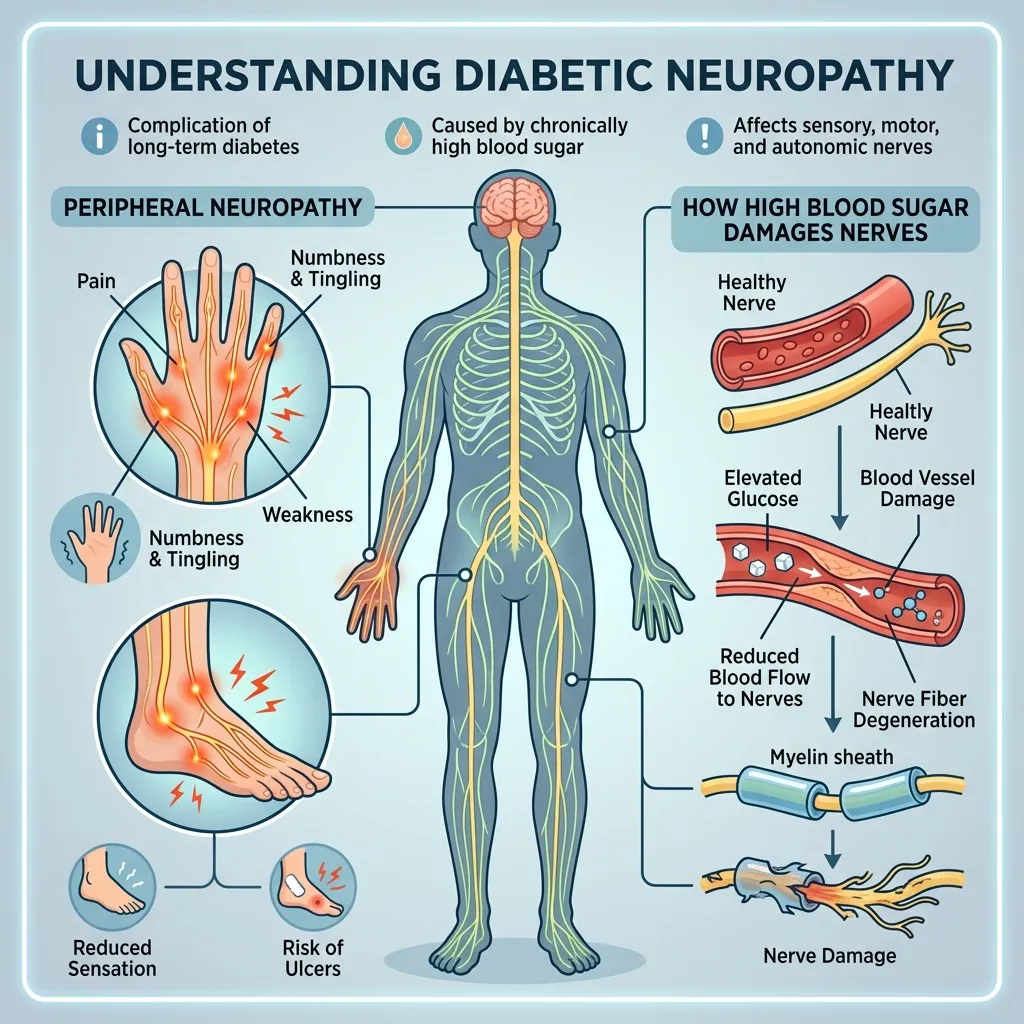
Diabetic neuropathy is nerve damage caused by high blood sugar levels over time. According to the National Institute of Diabetes and Digestive and Kidney Diseases, up to half of people with diabetes will develop some form of neuropathy.
The condition comes in several forms, but the most common is peripheral neuropathy, which affects the feet, legs, hands, and arms. Symptoms often include:
- Tingling or burning sensations
- Numbness or reduced ability to feel pain
- Sharp, shooting pains
- Muscle weakness
- Sensitivity to touch
Catching neuropathy early matters. While nerve damage can’t always be reversed, the right treatment can slow its progression and dramatically improve your comfort.
What is the best treatment for diabetic neuropathy?
There’s no single “best” treatment that works for everyone. The most effective approach usually combines several strategies tailored to your symptoms and health goals. That said, nearly every treatment plan starts with one critical step: managing your blood sugar.
Keeping your blood glucose within your target range is the foundation of all diabetic nerve damage treatment options. Tight blood sugar control can slow the progression of nerve damage and, in some cases, ease symptoms. From there, your doctor may layer in medications, therapy, and lifestyle changes.
Choose a combined approach if you want both short-term pain relief and long-term protection against further nerve damage. Below, we break down each option in detail.
Diabetic neuropathy medications
Prescription medications are often the first line of defense against diabetic nerve pain. Several types have been approved or recommended for treatment.
Pain relievers and prescription drugs
Several classes of medication can help with diabetic neuropathy pain relief:
- Anti-seizure drugs: Medications like pregabalin (Lyrica) and gabapentin (Neurontin) were originally developed for epilepsy but are widely used to calm nerve pain.
- Antidepressants: Duloxetine (Cymbalta) and venlafaxine are SNRIs that can ease nerve pain. Older tricyclic antidepressants like amitriptyline may also help, though they can cause more side effects.
- Topical treatments: Capsaicin cream and lidocaine patches can provide localized relief for peripheral diabetic neuropathy.
Over-the-counter pain relievers like acetaminophen or ibuprofen rarely work well for nerve pain and aren’t usually recommended for long-term use. Opioids are generally avoided due to the risk of dependence.
Choosing the right medication
Your doctor will weigh factors like your other health conditions, potential side effects, and how severe your symptoms are. Finding the right diabetic neuropathy medication often takes some trial and error, so be patient and keep your doctor updated on what’s working.
Diabetic neuropathy physical therapy

Physical therapy is a valuable part of peripheral diabetic neuropathy treatment, especially when nerve damage affects your balance, strength, or mobility.
A physical therapist can design a program to help you:
- Improve balance and reduce your risk of falls
- Build muscle strength in affected limbs
- Increase flexibility and range of motion
- Manage pain through targeted exercises and techniques
Some therapists also use treatments like transcutaneous electrical nerve stimulation (TENS), which delivers gentle electrical pulses to interrupt pain signals. While research results are mixed, many people find TENS offers temporary relief.
If neuropathy affects your feet, a therapist can also recommend proper footwear and gait adjustments to protect against injury.
Natural remedies for diabetic neuropathy
Many people look for natural remedies for diabetic neuropathy to complement their medical treatment. While the scientific evidence varies, several options show promise.
Supplements
- Alpha-lipoic acid: This antioxidant has been studied for its potential to reduce nerve pain and improve symptoms.
- Acetyl-L-carnitine: Some research suggests it may help with nerve regeneration and pain reduction.
- Vitamin B12: A deficiency can worsen neuropathy, so correcting low levels may help—especially for those taking metformin, which can lower B12.
Always talk to your doctor before adding supplements, since they can interact with medications.
Mind-body approaches
- Acupuncture: Some studies suggest acupuncture may help relieve diabetic nerve pain, though more research is needed.
- Meditation and mindfulness: These techniques won’t repair nerves, but they can help you cope with chronic pain and reduce stress, which may make symptoms feel more manageable.
Treat natural remedies as a supplement to—not a replacement for—proven medical treatments.
Lifestyle changes for diabetic neuropathy
Some of the most powerful diabetic neuropathy management strategies don’t come from a pharmacy. Daily habits can make a real difference in how you feel and how quickly your condition progresses.
Keep your blood sugar in check
This is the single most important step. Consistent blood sugar control slows nerve damage and protects against complications. Work with your healthcare team to set realistic targets and stick to them.
Stay active
Regular exercise improves blood flow, helps control blood sugar, and can reduce nerve pain. Aim for a mix of:
- Aerobic activity like walking, swimming, or cycling
- Strength training to build and maintain muscle
- Balance exercises to lower your fall risk
Start slowly and check with your doctor before beginning a new routine.
Eat a balanced diet
A diet rich in whole grains, lean proteins, healthy fats, fruits, and vegetables supports stable blood sugar and overall nerve health. Cutting back on refined sugars and processed foods helps too.
Quit smoking and limit alcohol
Smoking narrows blood vessels and reduces circulation, which can worsen nerve damage. Alcohol is also toxic to nerves in large amounts. Cutting back on both can support your nerves and overall health.
Care for your feet
Foot care is essential for anyone with peripheral neuropathy. Numbness can hide injuries that lead to serious infections. Make a daily habit of:
- Checking your feet for cuts, blisters, or redness
- Washing and drying your feet carefully
- Wearing well-fitting, supportive shoes
- Seeing a podiatrist for regular checkups
How to build a diabetic neuropathy management plan

The most effective diabetic nerve pain treatment brings together several approaches. Here’s how to put it all together:
- Control blood sugar first. This is the foundation of every plan.
- Work with your doctor on medication. Find the right prescription for your symptoms.
- Add physical therapy if balance, strength, or mobility are affected.
- Layer in lifestyle changes like exercise, a healthy diet, and foot care.
- Consider natural remedies as a complement, with your doctor’s approval.
- Review and adjust regularly. Neuropathy changes over time, so your plan should too.
Consistency is key. Small, steady changes often produce the biggest results over time.
Taking the next step toward relief
Diabetic neuropathy can be frustrating, but it’s far from hopeless. With the right combination of blood sugar control, medication, physical therapy, and lifestyle changes, many people find meaningful relief and protect their nerves from further damage.
The best treatment plan is one built around your specific symptoms and goals—so partner with your healthcare team to create one that works for you. Start with the basics, stay consistent, and don’t hesitate to ask your doctor about new options if your current plan isn’t delivering the relief you deserve.
Frequently asked questions
Can diabetic neuropathy be reversed?
In most cases, nerve damage from diabetic neuropathy can’t be fully reversed. However, tight blood sugar control can slow or stop its progression, and the right treatments can significantly reduce pain and improve quality of life. Early diagnosis offers the best chance of limiting damage.
What is the most effective medication for diabetic nerve pain?
Pregabalin (Lyrica), gabapentin (Neurontin), and duloxetine (Cymbalta) are among the most commonly prescribed and effective medications for diabetic nerve pain. The best choice depends on your symptoms, other health conditions, and how you respond to treatment, so work with your doctor to find the right fit.
How long does it take for diabetic neuropathy treatment to work?
It varies. Some people feel relief from medication within a few weeks, while lifestyle changes and blood sugar control may take months to show their full effect. Finding the right combination often requires patience and ongoing adjustments with your healthcare provider.
Are natural remedies safe for diabetic neuropathy?
Some natural remedies, like alpha-lipoic acid and acupuncture, show promise and are generally safe for many people. However, supplements can interact with medications, so always consult your doctor before adding anything new to your routine.
What lifestyle changes help the most with diabetic neuropathy?
Controlling blood sugar is the single most important change. Regular exercise, a balanced diet, quitting smoking, limiting alcohol, and daily foot care also play major roles in managing symptoms and preventing further nerve damage.
What is the best treatment for diabetic neuropathy?
The best treatment combines blood sugar control, prescription medications, physical therapy, and healthy lifestyle changes. Your doctor will recommend a personalized plan based on your symptoms.
Can diabetic neuropathy be cured?
There is currently no cure for diabetic neuropathy, but early treatment can slow nerve damage, reduce pain, and improve quality of life.
Which medications are commonly used for diabetic neuropathy?
Doctors often prescribe medications such as pregabalin, gabapentin, duloxetine, or certain antidepressants to help manage diabetic nerve pain.
Does controlling blood sugar improve diabetic neuropathy?
Yes. Keeping blood sugar within your target range is one of the most effective ways to slow nerve damage and reduce symptoms over time.
Can exercise help with diabetic neuropathy?
Yes. Regular exercise improves circulation, supports blood sugar control, strengthens muscles, and may reduce nerve pain and improve balance.
Are natural remedies effective for diabetic neuropathy?
Some natural remedies, including alpha-lipoic acid, vitamin B12 (when deficient), and acupuncture, may help relieve symptoms, but they should complement medical treatment.
What foods are good for diabetic neuropathy?
A balanced diet rich in vegetables, fruits, whole grains, lean proteins, healthy fats, and high-fiber foods can help manage blood sugar and support nerve health.
How long does diabetic neuropathy treatment take to work?
Medication may provide relief within a few weeks, while blood sugar control and lifestyle improvements often take several months to produce noticeable benefits.
Why is foot care important for diabetic neuropathy?
Nerve damage can reduce sensation in the feet, making it easier to miss injuries. Daily foot inspections and proper footwear help prevent infections and serious complications.
Can physical therapy help diabetic neuropathy?
Yes. Physical therapy can improve strength, balance, flexibility, and mobility while reducing the risk of falls and helping manage chronic nerve pain.