

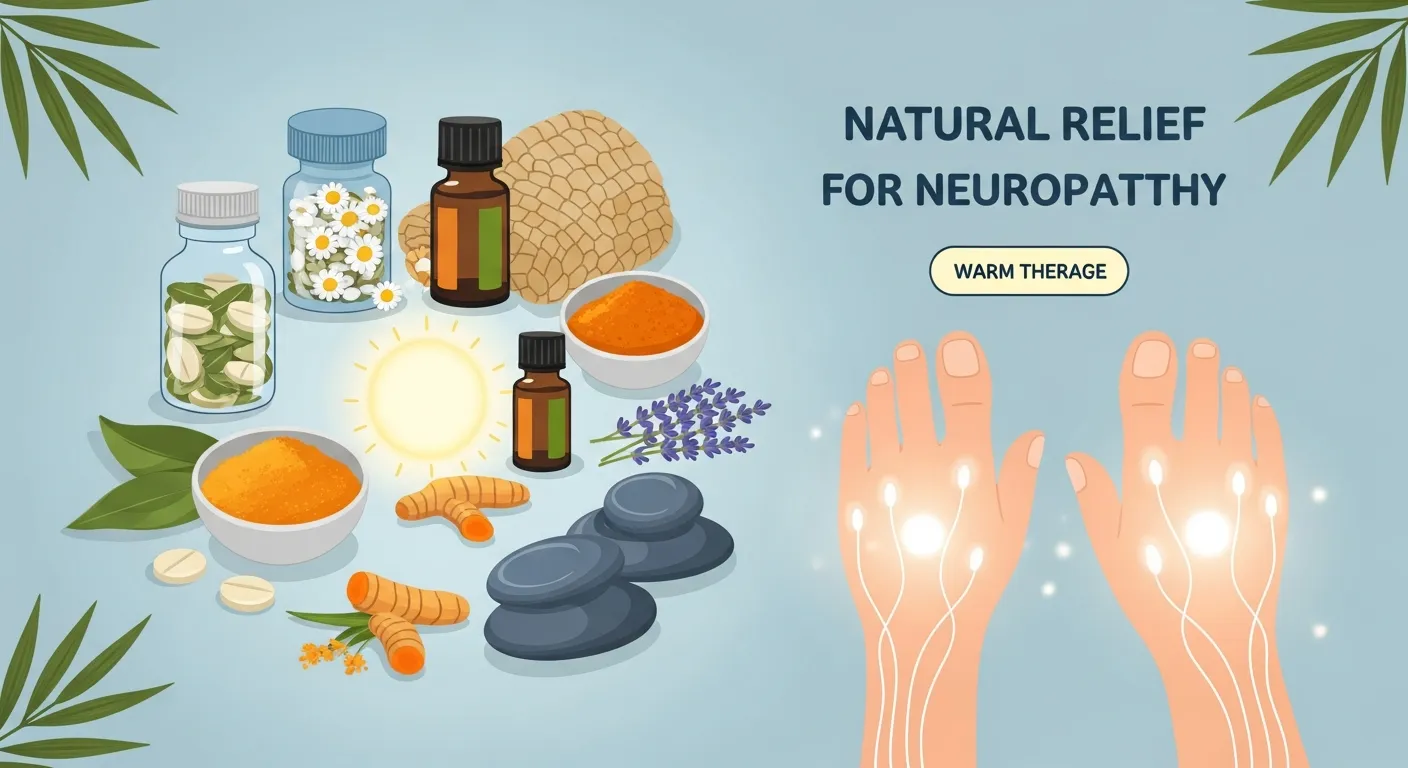
Natural relief for neuropathy combines targeted supplements (like alpha-lipoic acid and B vitamins), gentle exercise, dietary changes, essential oils, and stress management. These approaches won’t replace medical care, but they can ease nerve pain, support nerve health, and improve daily comfort—especially for people with diabetic or peripheral neuropathy.
Living with neuropathy can feel like a constant battle. The tingling, burning, numbness, and shooting pains make everyday tasks harder, and the discomfort often gets worse at night. While prescription medications help many people, they don’t work for everyone—and some come with side effects that are tough to tolerate.
That’s why so many people are turning to natural options. The good news? A growing body of research suggests that certain supplements, lifestyle habits, and alternative therapies can genuinely reduce neuropathy symptoms. This guide breaks down the most promising natural remedies, what the science says, and how to use them safely.
A quick but important note: always talk to your doctor before starting any new supplement or treatment, especially if you have diabetes or take other medications. Natural doesn’t always mean risk-free.
What are the best natural remedies for neuropathy pain relief?
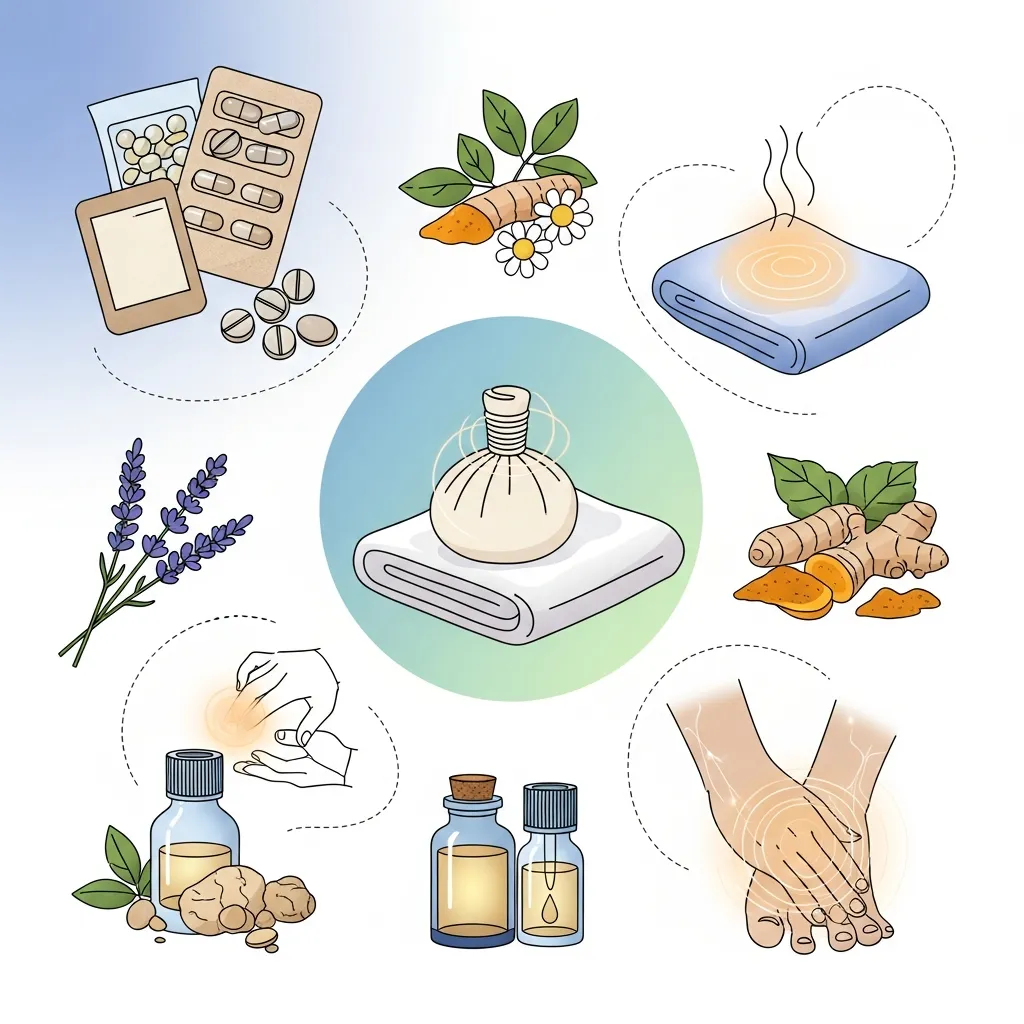
Neuropathy—nerve damage that causes pain, weakness, and numbness—affects an estimated 20 million people in the United States, according to the National Institute of Neurological Disorders and Stroke. The most common cause is diabetes, but it can also stem from injuries, infections, chemotherapy, and vitamin deficiencies.
Natural remedies work best when you combine several approaches rather than relying on just one. Think of it as building a toolkit. The strongest options fall into a few categories: nutritional supplements, dietary changes, physical activity, topical treatments, and mind-body therapies. Below, we’ll explore each one in detail.
How can you treat nerve pain from neuropathy at home?
Plenty of neuropathy relief starts in your own home. These simple, low-cost strategies can make a real difference in your daily comfort.
- Warm baths: Soaking in warm water improves blood flow and relaxes tense muscles. Just check the temperature carefully if you have numbness, since reduced sensation makes burns more likely.
- Foot care routines: For people with diabetic neuropathy, daily foot inspections help catch cuts or sores early. Moisturizing and wearing well-fitting shoes prevents complications.
- Cold and heat therapy: Alternating between a cold pack and a warm compress can calm flare-ups and reduce inflammation.
- Gentle stretching: Light movement keeps joints flexible and boosts circulation to affected areas.
- Capsaicin cream: Derived from chili peppers, this over-the-counter topical can dull pain signals when applied regularly. Expect a warm, tingling sensation at first.
Consistency matters more than intensity. Small daily habits often beat occasional big efforts.
Which herbal supplements help with neuropathy relief?

Several herbs have shown promise for easing nerve pain, though research quality varies. Here are the most studied options:
- Evening primrose oil: Contains gamma-linolenic acid (GLA), which some studies link to improved nerve function in people with diabetic neuropathy.
- Turmeric (curcumin): A natural anti-inflammatory that may reduce nerve inflammation and pain. It’s most effective when paired with black pepper, which boosts absorption.
- St. John’s Wort: Traditionally used for nerve pain, though it interacts with many medications—including antidepressants and blood thinners—so caution is essential.
- Skullcap: An herb with potential anti-inflammatory and calming effects that some people use for nerve discomfort.
Herbs can be powerful, and “natural” doesn’t mean harmless. Some interfere with prescription drugs, so run any herbal supplement past your doctor or pharmacist first.
What are the best vitamins for nerve pain and neuropathy?
Vitamin deficiencies are a known cause of neuropathy, which is why the right vitamins can be so effective—especially if you’re low to begin with.
- B vitamins (B1, B6, B12): These are essential for nerve health. A B12 deficiency in particular can directly cause neuropathy. Supplementing often improves symptoms in people who are deficient. Be careful with B6, though—too much can actually worsen nerve damage.
- Alpha-lipoic acid (ALA): One of the most researched supplements for neuropathy. Studies, including those reviewed in diabetes care journals, suggest ALA can reduce burning, tingling, and numbness in diabetic neuropathy, likely thanks to its antioxidant properties.
- Vitamin D: Low vitamin D levels are linked to increased neuropathic pain. Correcting a deficiency may help reduce symptoms.
- Acetyl-L-carnitine: This amino acid derivative has been shown in some studies to reduce pain and support nerve regeneration, particularly in diabetic and chemotherapy-induced neuropathy.
If you suspect a deficiency, ask your doctor for a blood test before loading up on supplements. Targeted treatment beats guesswork.
What lifestyle changes reduce neuropathy symptoms naturally?
Your daily habits play a huge role in how your nerves feel. These lifestyle changes can slow nerve damage and ease symptoms over time.
How does exercise help neuropathy?
Regular physical activity improves blood flow to your nerves, helps control blood sugar, and releases natural pain-relieving endorphins. You don’t need intense workouts—walking, swimming, cycling, and tai chi are all excellent low-impact choices. Aim for about 30 minutes most days, but start slow if you’re new to exercise.
What should you eat to support nerve health?
A nutrient-rich diet protects your nerves and helps manage underlying causes like diabetes. Focus on:
- Whole grains, fruits, and vegetables for steady blood sugar
- Fatty fish like salmon for omega-3s, which support nerve function
- Antioxidant-rich foods like berries and leafy greens
- Limited alcohol, since heavy drinking is a major cause of nerve damage
Why does quitting smoking matter?
Smoking narrows your blood vessels and reduces circulation to your nerves. Quitting improves blood flow, which can slow the progression of neuropathy and help your body repair itself.
What are the natural treatment options for diabetic neuropathy?
Diabetic neuropathy is the most common form, and managing it naturally starts with one priority: blood sugar control. Keeping your glucose levels stable is the single most effective way to prevent further nerve damage.
Beyond that, the following strategies are especially helpful for diabetic neuropathy:
- Alpha-lipoic acid for its proven antioxidant benefits
- Consistent foot care to prevent ulcers and infections
- Regular, moderate exercise to improve insulin sensitivity and circulation
- A balanced, low-glycemic diet to keep blood sugar steady
Choose blood sugar management as your foundation if you have diabetic neuropathy—everything else works better when your glucose stays in a healthy range.
Do essential oils work for neuropathy pain relief?
Many people find essential oils soothing for nerve pain, and a few have early scientific support. Here are some worth trying:
- Peppermint oil: Its menthol content creates a cooling sensation that can temporarily numb pain.
- Lavender oil: Known for its calming properties, lavender may ease both pain and the anxiety that often accompanies chronic discomfort.
- Roman chamomile oil: Has anti-inflammatory effects that may reduce nerve-related swelling and pain.
- Frankincense oil: Traditionally used to reduce inflammation and support healing.
Always dilute essential oils with a carrier oil like coconut or jojoba before applying them to your skin. Do a small patch test first to check for irritation. Essential oils are best used as a complement to other treatments, not as a standalone fix.
Which supplements support natural nerve regeneration?

Some supplements may help your body repair damaged nerves over time. While they won’t reverse severe damage overnight, they can support the healing process.
- Acetyl-L-carnitine: Linked to nerve regeneration and reduced pain in several studies.
- Alpha-lipoic acid: Supports nerve repair through its strong antioxidant action.
- Omega-3 fatty acids: Found in fish oil, these support the structure and function of nerve cells.
- B12: Critical for maintaining the protective myelin sheath around nerves.
Nerve regeneration is slow, so give any supplement at least a few months before judging its effects. Patience is part of the process.
What alternative therapies help peripheral neuropathy pain?
When supplements and lifestyle changes aren’t enough on their own, these hands-on and mind-body therapies can offer extra relief.
- Acupuncture: This traditional Chinese practice involves inserting thin needles at specific points. Several studies suggest it can reduce neuropathic pain and improve nerve function.
- Massage therapy: Improves circulation, reduces muscle tension, and provides comforting relief from pain.
- Meditation and mindfulness: Chronic pain and stress feed each other. Mindfulness practices help break that cycle by changing how your brain processes pain signals.
- Yoga and tai chi: These combine gentle movement, breathing, and relaxation, improving both physical comfort and mental wellbeing.
- TENS (transcutaneous electrical nerve stimulation): A small device delivers mild electrical pulses through the skin, which can interrupt pain signals.
Choose acupuncture or TENS if you want a targeted, evidence-supported option, and add meditation if stress makes your pain worse.
Putting your neuropathy relief plan together
Natural relief for neuropathy isn’t about finding one magic cure—it’s about layering several proven strategies into a routine that works for you. Start with the basics: control any underlying conditions, eat well, move your body, and correct any vitamin deficiencies. From there, add supplements like alpha-lipoic acid or acetyl-L-carnitine, experiment with essential oils, and explore therapies like acupuncture or mindfulness.
Give each approach time, track what helps, and stay in close contact with your healthcare provider. With patience and consistency, many people find meaningful relief and a better quality of life.
Ready to take the next step? Pick two or three strategies from this guide to try this week, and schedule a conversation with your doctor about which supplements are right for you.
Frequently asked questions
Can neuropathy be cured naturally?
Most chronic neuropathy can’t be fully cured, but natural remedies can significantly reduce symptoms and slow progression. In cases caused by vitamin deficiencies, correcting the deficiency may reverse the nerve damage entirely. For diabetic neuropathy, strict blood sugar control can prevent further damage.
How long do natural neuropathy treatments take to work?
It depends on the remedy. Topical treatments like capsaicin or essential oils may offer relief within minutes to days. Supplements like alpha-lipoic acid often take several weeks to a few months to show noticeable benefits. Nerve regeneration is a slow process, so consistency over several months is key.
Is alpha-lipoic acid safe for neuropathy?
Alpha-lipoic acid is generally considered safe and is one of the most researched supplements for neuropathy. However, it can lower blood sugar, so people with diabetes should monitor their levels closely and talk to their doctor before starting it.
What is the best vitamin for nerve repair?
Vitamin B12 is often considered the most important for nerve repair because it maintains the myelin sheath that protects nerves. A B12 deficiency can directly cause neuropathy, so supplementing is especially helpful for people who are low in it.
Are natural neuropathy remedies safe with prescription medications?
Not always. Some supplements and herbs—like St. John’s Wort—interact with prescription drugs, including blood thinners and antidepressants. Always check with your doctor or pharmacist before combining natural remedies with your current medications.
What is Natural Relief for Neuropathy?
Natural Relief for Neuropathy refers to using vitamins, herbal supplements, lifestyle changes, and alternative therapies to reduce nerve pain, tingling, and numbness without relying solely on prescription medications.
Does Natural Relief for Neuropathy really work?
Many approaches used in Natural Relief for Neuropathy are supported by research, especially supplements like alpha-lipoic acid, B vitamins, and lifestyle changes such as exercise and diet improvement.
What is the fastest Natural Relief for Neuropathy pain?
Topical treatments like capsaicin cream, essential oils, and warm/cold therapy often provide the quickest Natural Relief for Neuropathy symptoms, sometimes within minutes or hours.
Can diet help with Natural Relief for Neuropathy?
Yes, a balanced diet rich in antioxidants, omega-3 fatty acids, and low-glycemic foods supports Natural Relief for Neuropathy by improving nerve health and reducing inflammation.
Is exercise important for Natural Relief for Neuropathy?
Regular low-impact exercise plays a key role in Natural Relief for Neuropathy by improving blood circulation, reducing inflammation, and supporting nerve function.
Which supplements are best for Natural Relief for Neuropathy pain?
Common supplements used for Natural Relief for Neuropathy include alpha-lipoic acid, magnesium, acetyl-L-carnitine, and B-complex vitamins for nerve support and repair.
Can diabetes patients use Natural Relief for Neuropathy methods?
Yes, Natural Relief for Neuropathy is especially important for diabetic patients, focusing on blood sugar control along with nerve-supporting nutrients and lifestyle changes.
How long does Natural Relief for Neuropathy take to show results?
Some Natural Relief for Neuropathy methods like topical creams work quickly, while supplements and nerve repair strategies may take several weeks to months.
Are herbal remedies effective for Natural Relief for Neuropathy?
Certain herbs like turmeric, evening primrose oil, and St. John’s Wort may support Natural Relief for Neuropathy by reducing inflammation and easing nerve discomfort.
Can essential oils help with Natural Relief for Neuropathy?
Yes, essential oils such as lavender, peppermint, and frankincense are commonly used in Natural Relief for Neuropathy to soothe pain and promote relaxation.
Is Natural Relief for Neuropathy safe long-term?
Most Natural Relief for Neuropathy approaches are safe when used properly, but it’s important to consult a healthcare provider to avoid interactions or overuse of supplements.