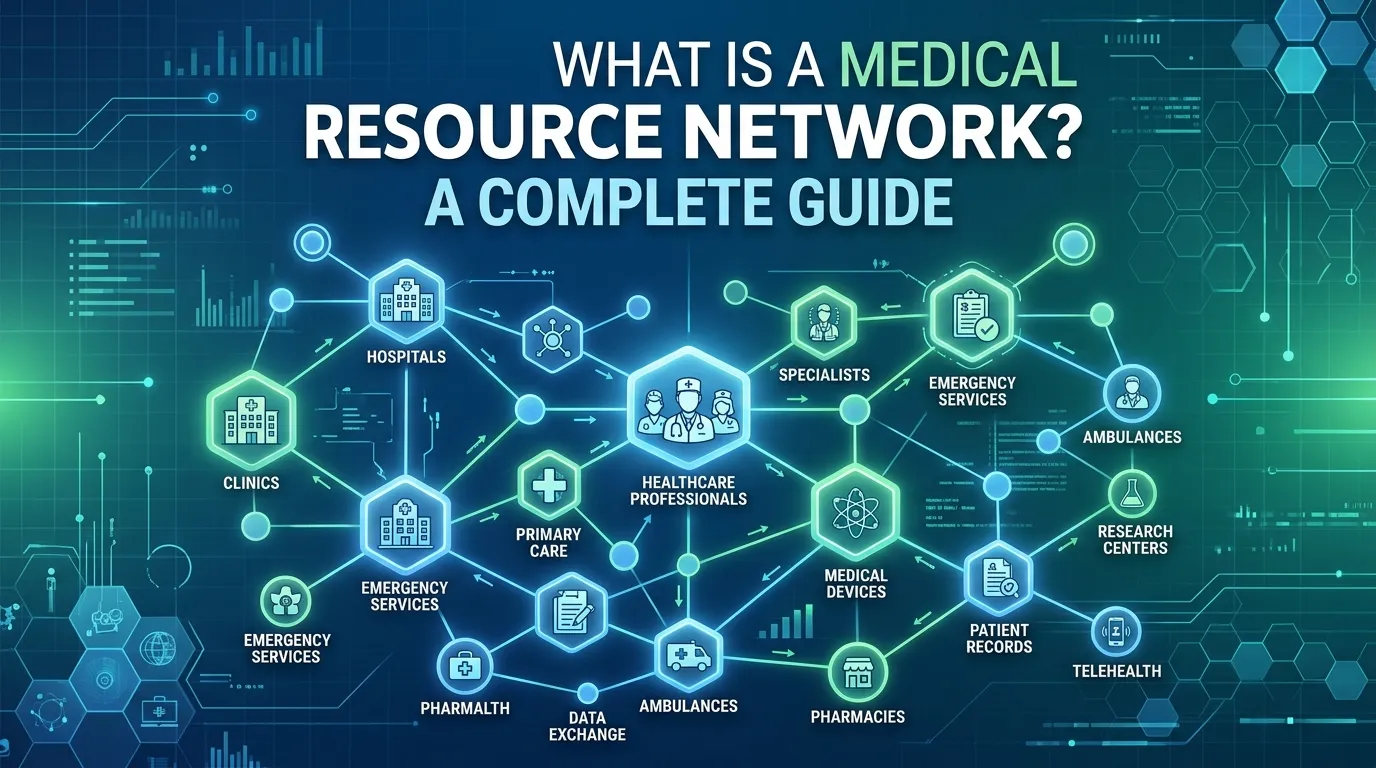
A medical resource network is a centralized digital ecosystem that connects healthcare providers, hospitals, and patients to share clinical data, manage resources, and improve care delivery. These networks integrate patient directories, data-sharing protocols, and communication tools to ensure medical professionals can access accurate health information instantly and securely.
Navigating the modern healthcare landscape requires robust infrastructure. Hospitals, private clinics, and individual practitioners handle massive volumes of patient data daily. Without a cohesive system to manage this information, facilities experience operational bottlenecks, miscommunications, and delayed patient care.
A medical resource network solves these logistical challenges by unifying disparate medical systems into a single, accessible framework. By connecting various digital tools, these networks allow doctors, nurses, and administrative staff to collaborate seamlessly. Patients benefit from faster diagnoses and better-coordinated treatment plans. Administrators benefit from reduced paperwork and optimized scheduling.
This comprehensive guide breaks down the core components of a medical resource network. You will learn how medical information network platforms function, why hospitals rely on digital health resource networks, and what integrated solutions exist to modernize patient care.
How Does a Healthcare Resource Network Improve Patient Outcomes?
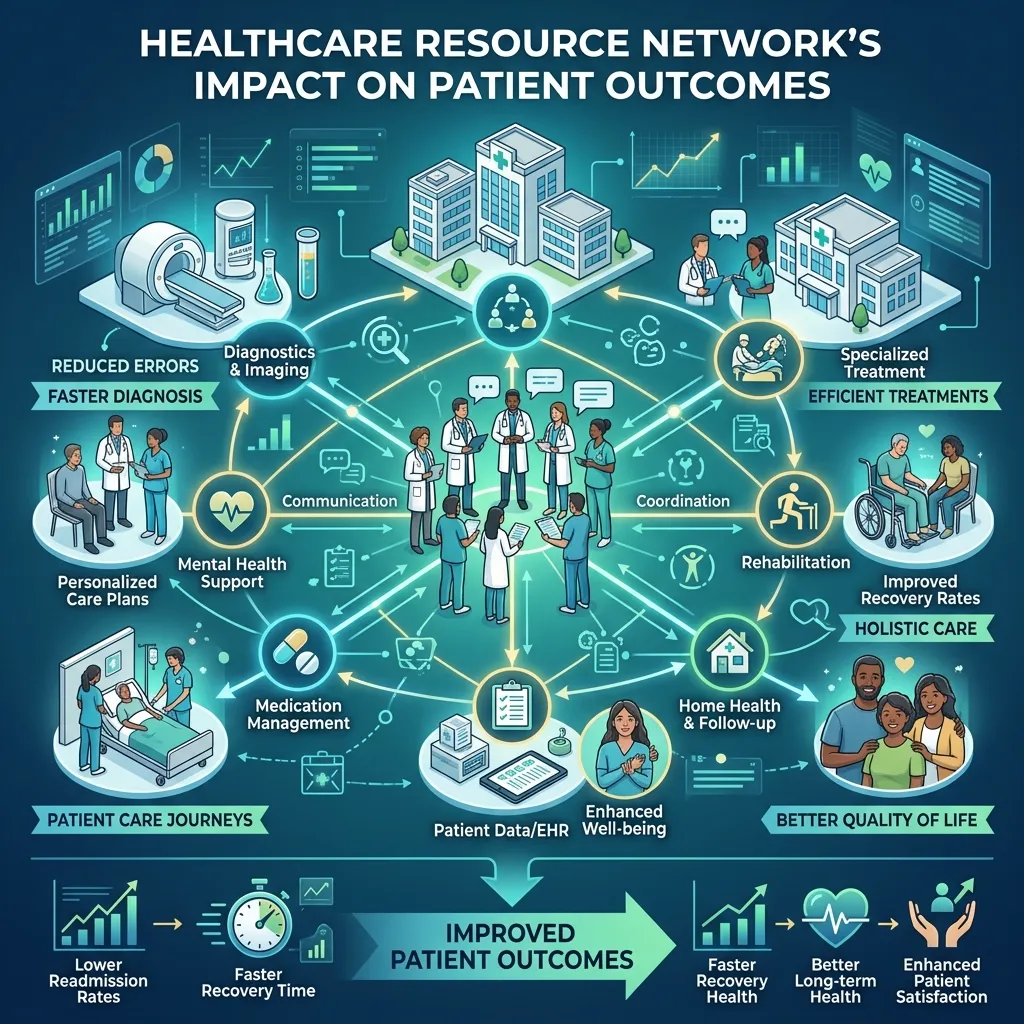
A healthcare resource network directly impacts the quality of care patients receive. When doctors operate in isolated silos, they lack the full context of a patient’s medical history. A connected healthcare resource network eliminates this problem by providing a unified view of past treatments, allergies, and ongoing medications.
Physicians using a healthcare resource network can immediately retrieve lab results from external diagnostic centers. This immediate access prevents redundant testing, saving both time and financial resources for the patient. Furthermore, specialists can consult with primary care providers through secure channels within the network. This multidisciplinary approach ensures that treatment plans are comprehensive and tailored to the specific needs of the individual.
What Features Make up a Medical Information Network Platform?
A successful medical information network platform requires specific technical features to function effectively. The foundation of any reliable platform is interoperability. Interoperability allows different software systems—like electronic health records (EHR) and laboratory information systems (LIS)—to communicate without data loss.
Another critical feature is real-time data synchronization. When a nurse updates a patient’s vital signs, the medical information network platform must immediately reflect that change across all connected devices. This ensures that a surgeon reviewing the file minutes later sees the most current information. Additionally, these platforms incorporate role-based access controls. Role-based access ensures that only authorized personnel can view sensitive medical data, protecting patient privacy and maintaining regulatory compliance.
Why Are Digital Health Resource Networks Essential for Modern Clinics?
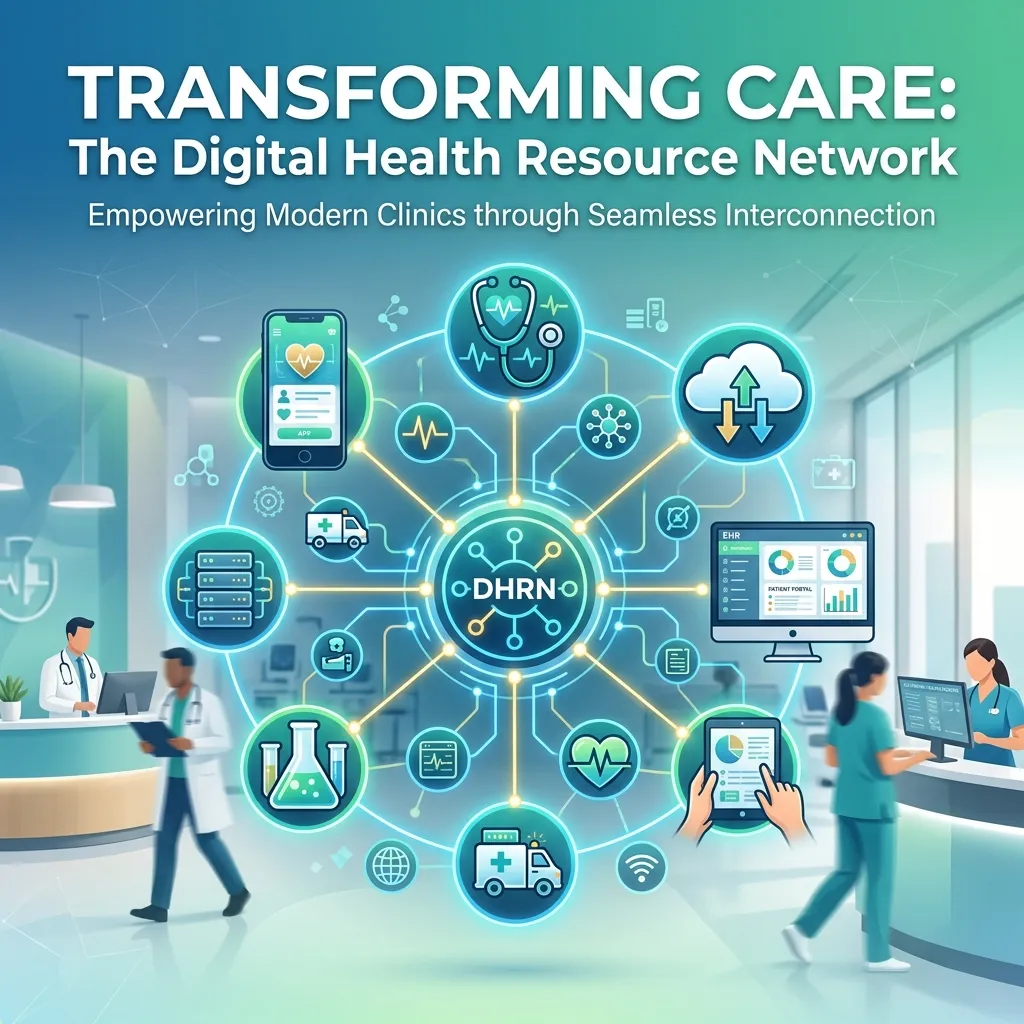
Modern medical clinics handle a high volume of patients, making manual record-keeping entirely obsolete. A digital health resource network automates routine administrative tasks, freeing up clinical staff to focus on actual patient care.
For smaller practices, a digital health resource network offers enterprise-level organization without the need for massive on-site server infrastructure. Cloud-based digital health networks allow clinic managers to track inventory, schedule appointments, and process billing through a single dashboard. This consolidation reduces overhead costs and minimizes human error in medical coding. Clinics that adopt a digital health resource network consistently report shorter patient wait times and higher overall satisfaction scores.
How Does a Hospital and Clinic Network System Function?
A hospital and clinic network system acts as the digital nervous system for larger medical institutions. These systems connect multiple departments—such as radiology, pharmacy, and emergency services—so they operate in unison rather than as separate entities.
When an emergency room doctor admits a patient, the hospital and clinic network system automatically alerts the pharmacy to prepare necessary medications. At the same time, the system notifies the billing department to begin processing insurance claims. This automated workflow reduces the time patients spend waiting for care. By streamlining communication between distinct hospital wings and affiliated outpatient clinics, a hospital and clinic network system prevents critical information from falling through the cracks during shift changes or patient transfers.
What Role Does an Online Medical Support Network Play in Telehealth?
Telehealth has fundamentally shifted how patients interact with healthcare providers. An online medical support network provides the backbone for these remote consultations. These support networks host secure video conferencing tools, secure messaging portals, and remote monitoring integrations.
Patients living in rural areas rely heavily on an online medical support network to access specialists located hundreds of miles away. During a virtual visit, the physician can pull up the patient’s records from the central medical resource network, review wearable device data, and prescribe medication electronically. The online medical support network ensures that this entire process is encrypted, compliant with health privacy laws, and seamlessly documented in the patient’s primary medical file.
How Can Patients Use a Healthcare Provider Network Directory?
Navigating insurance networks and finding the right specialist is famously difficult for patients. A healthcare provider network directory simplifies this process by offering a searchable, up-to-date database of medical professionals.
Patients use a healthcare provider network directory to filter doctors by specialty, location, accepted insurance plans, and patient ratings. Instead of making dozens of phone calls, a patient can use the directory to identify an in-network cardiologist who speaks their preferred language and is accepting new patients. This transparency empowers patients to make informed decisions about their healthcare. For hospitals, maintaining an accurate healthcare provider network directory reduces administrative burden and helps route patients to the most appropriate point of care efficiently.
What Are the Security Standards for a Medical Data Sharing Network?
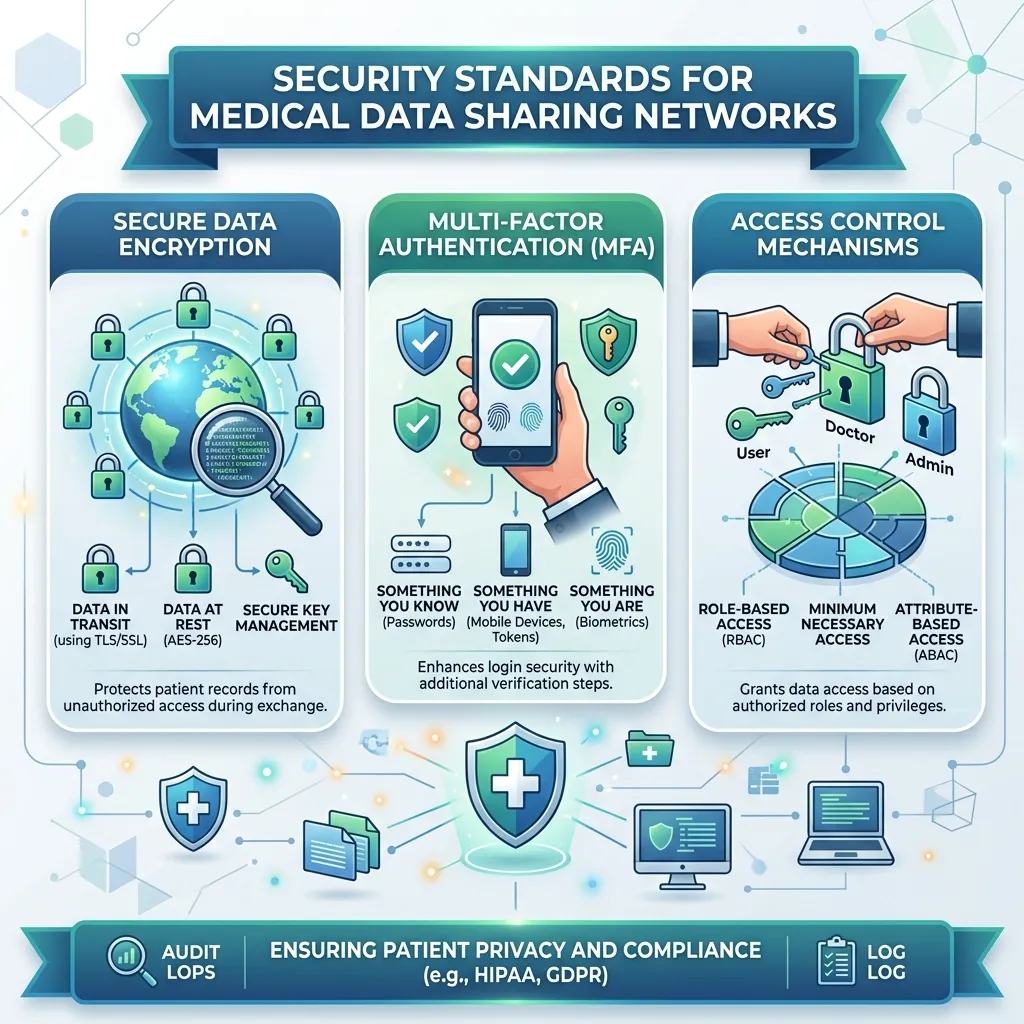
Handling patient data carries significant legal and ethical responsibilities. A medical data sharing network must adhere to stringent security standards to prevent data breaches and unauthorized access. In the United States, this means strict compliance with the Health Insurance Portability and Accountability Act (HIPAA).
A secure medical data sharing network employs end-to-end encryption for all transmitted information. Data at rest—stored on servers—is also heavily encrypted. Furthermore, a compliant medical data sharing network maintains detailed audit logs. These logs record exactly who accessed a patient file, what changes they made, and when the interaction occurred. Regular penetration testing and vulnerability assessments are standard practices to ensure the medical data sharing network remains protected against evolving cyber threats.
How Does a Patient Care Resource Network Enhance Treatment Plans?
Creating an effective treatment plan requires coordination among dietitians, physical therapists, primary care doctors, and specialists. A patient care resource network provides a shared digital workspace where all involved professionals can collaborate.
If a patient is recovering from knee surgery, the orthopedic surgeon can upload the post-operative instructions directly to the patient care resource network. The physical therapist can then access these instructions and log the patient’s weekly mobility progress. The primary care doctor can monitor these updates to ensure no negative drug interactions occur with the patient’s regular medications. By keeping everyone on the same page, a patient care resource network dramatically reduces recovery times and prevents conflicting medical advice.
Can a Global Medical Information System Connect International Providers?
Medical research and specialized treatments often cross international borders. A global medical information system facilitates this international collaboration by standardizing data formats and breaking down language barriers.
When a patient seeks experimental treatment in another country, the receiving hospital needs their complete medical history. A global medical information system translates and securely transfers these records. Additionally, researchers use a global medical information system to aggregate anonymized clinical trial data from multiple continents. This massive pooling of data accelerates the discovery of new medical treatments and helps public health officials track the spread of infectious diseases on a global scale.
What Are the Best Integrated Healthcare Network Solutions Available?
Choosing the right technology depends entirely on the size and specific needs of the medical facility. Integrated healthcare network solutions combine electronic health records, billing software, and patient communication tools into one cohesive package.
Large hospital systems often choose comprehensive integrated healthcare network solutions like Epic or Cerner. These platforms offer deep customization and robust interoperability features suitable for managing thousands of daily patient interactions. Smaller clinics might prefer integrated healthcare network solutions like Athenahealth, which provides cloud-based flexibility and user-friendly interfaces. Organizations must evaluate integrated healthcare network solutions based on their scalability, customer support, and ability to integrate with existing legacy systems.
Next Steps for Implementing a Medical Resource Network
Transitioning to a new medical resource network requires careful planning and execution. Facility managers must conduct a thorough audit of their current IT infrastructure to identify compatibility issues. Stakeholders should outline clear operational goals, whether that involves reducing patient wait times, improving billing accuracy, or facilitating telehealth services.
Once the appropriate platform is selected, comprehensive staff training is crucial. Medical professionals must feel confident navigating the system to ensure accurate data entry and secure communication. Partnering with experienced healthcare IT consultants can streamline the deployment process and minimize disruptions to daily patient care. By investing in a modern medical resource network, healthcare organizations position themselves to deliver safer, faster, and more effective medical services.
Frequently Asked Questions
How much does it cost to implement a medical resource network?
The cost of implementing a medical resource network varies widely based on the size of the facility and the chosen software. Small clinics might pay a few hundred dollars per month for cloud-based subscriptions, while large hospital networks often invest millions of dollars for enterprise-level deployment, custom integrations, and staff training.
How long does it take to transition to a new medical information network platform?
Transitioning to a new medical information network platform typically takes between three to twelve months. The timeline depends on the volume of historical patient data that needs migration, the complexity of the facility’s existing systems, and the duration of required staff training sessions.
Are digital health resource networks vulnerable to cyberattacks?
While no digital system is entirely immune to cyber threats, reputable digital health resource networks utilize advanced security protocols. These include end-to-end encryption, multi-factor authentication, and continuous network monitoring to protect sensitive patient data from unauthorized access and ransomware attacks.
What is the best alternative to using a local server for medical data sharing?
Cloud-based medical data sharing networks are the best alternative to local servers. Cloud solutions offer better scalability, automatic software updates, and enhanced disaster recovery options. They also remove the need for medical facilities to maintain expensive on-site IT hardware.
Who is responsible for managing a hospital and clinic network system?
A hospital and clinic network system is typically managed by the facility’s internal Information Technology (IT) department, often led by a Chief Information Officer (CIO). In smaller clinics, this management is frequently outsourced to specialized healthcare IT service providers.
What is a medical resource network?
A medical resource network is a digital system that connects healthcare providers to share patient data and improve coordination of care.
Why is a medical resource network important?
It improves communication between providers, reduces medical errors, and enhances patient treatment outcomes.
How does a medical resource network work?
It integrates hospitals, clinics, and databases into a single system for real-time data sharing and collaboration.
What is a healthcare provider network directory?
It is a searchable database that helps patients find doctors based on specialty, location, and insurance coverage.
How does a medical information network platform improve care?
It ensures real-time access to patient records, lab results, and treatment history for better decision-making.
Are medical resource networks secure?
Yes, they use encryption, access controls, and compliance standards like HIPAA to protect patient data.
What is a digital health resource network?
It is a cloud-based system that manages appointments, records, billing, and patient communication digitally.
Can patients benefit from medical resource networks?
Yes, patients receive faster diagnoses, better coordination, and easier access to healthcare providers.
What technologies are used in medical resource networks?
They use electronic health records (EHR), cloud computing, AI tools, and secure communication systems.
How expensive is it to implement a medical resource network?
Costs vary depending on size—small clinics may pay monthly fees, while large hospitals may invest heavily in enterprise systems.