
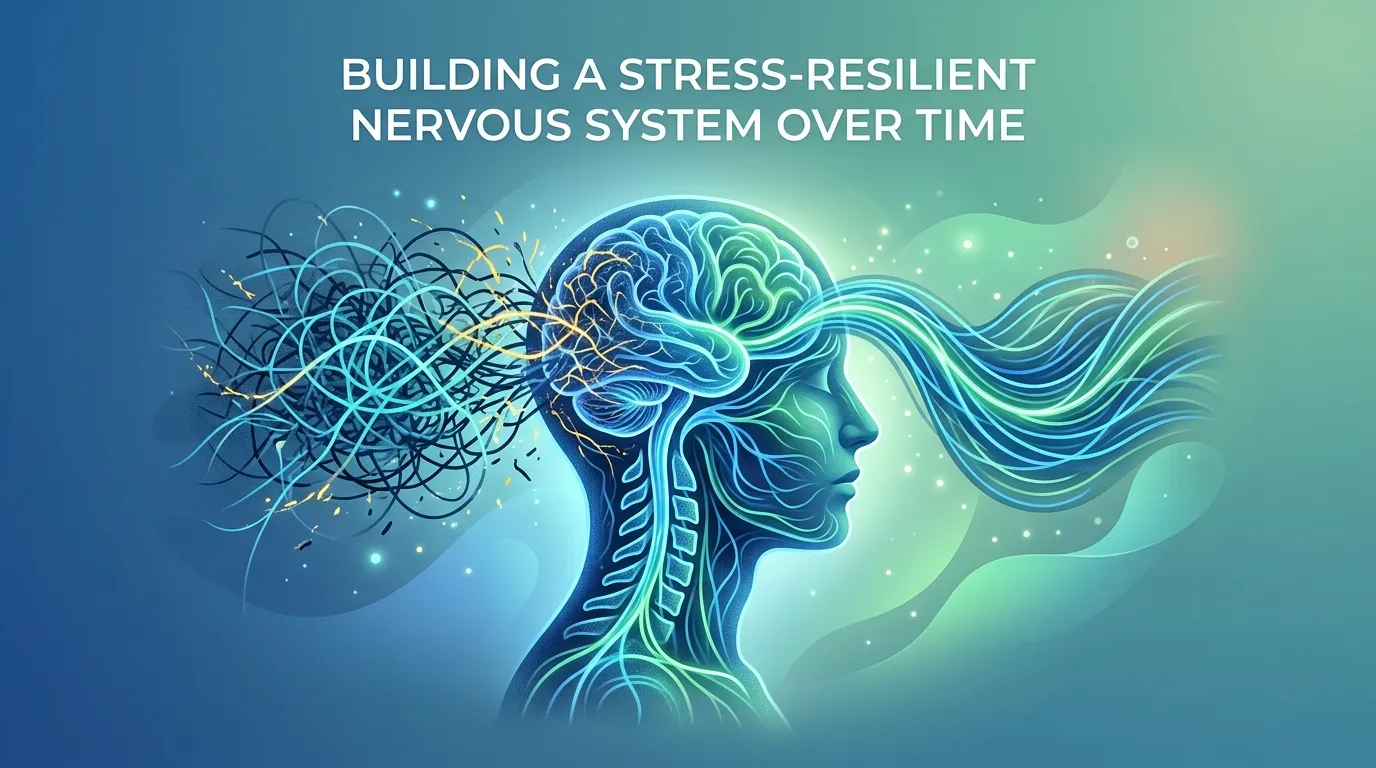
Rare neurological disorders affect the brain, spinal cord, and nervous system, making diagnosis and treatment especially challenging. Caused by factors such as genetic mutations, autoimmune conditions, and nerve dysfunction, these disorders impact millions of people worldwide despite their rarity.
Because symptoms often overlap with more common conditions, receiving an accurate diagnosis can take years. Rare neurological disorders may affect the brain, peripheral nerves, or neuromuscular system, creating a wide range of physical and cognitive challenges.
This guide explores the causes, symptoms, diagnosis, and treatment options for rare neurological disorders, helping patients, caregivers, and healthcare professionals better understand these complex conditions.
What Are Rare Brain and Nervous System Diseases?
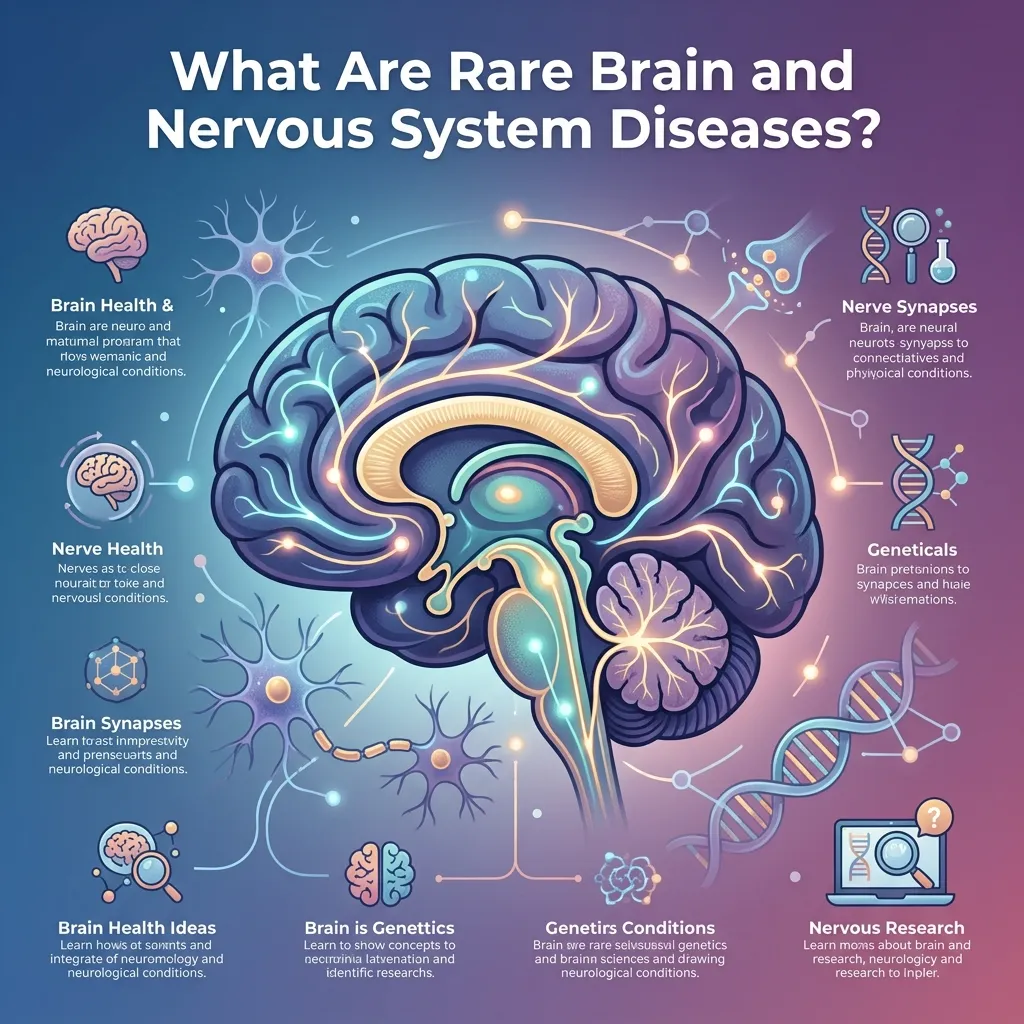
Rare brain and nervous system diseases are neurological conditions that affect a small percentage of the population. The nervous system itself is divided into the central nervous system (CNS), which includes the brain and spinal cord, and the peripheral nervous system (PNS), which includes the nerves running throughout the rest of the body. Rare neurological disorders can affect either or both.
These disorders can be:
- Structural, involving physical abnormalities in the brain or spinal cord
- Functional, where the nervous system looks normal but behaves abnormally
- Degenerative, where neurons progressively break down over time
- Inflammatory or autoimmune, where the immune system mistakenly attacks nervous tissue
Some of the more widely recognized rare neurological conditions include Huntington’s disease, Tourette syndrome (in its more severe forms), Guillain-Barré syndrome, amyotrophic lateral sclerosis (ALS), and Creutzfeldt-Jakob disease. However, the list extends to hundreds of lesser-known disorders, many of which remain unnamed or are identified only in small patient cohorts.
What Are the Symptoms of Uncommon Neurological Conditions?
Because rare neurological disorders vary so widely in their origin and affected pathways, symptoms can look very different from one condition to the next. That said, several symptom patterns tend to prompt neurological investigation:
- Cognitive and behavioral changes: memory loss, personality shifts, confusion, or psychosis
- Motor dysfunction: tremors, muscle weakness, spasticity, ataxia (loss of coordination), or paralysis
- Sensory disturbances: numbness, tingling, burning sensations, or vision and hearing loss
- Seizures: particularly when resistant to standard anti-epileptic medications
- Speech and language difficulties: dysarthria (slurred speech) or aphasia (language impairment)
- Autonomic instability: abnormal blood pressure, heart rate, or temperature regulation
One of the diagnostic challenges with rare neurological disorders is that many of these symptoms overlap with more common conditions. A patient presenting with fatigue, cognitive slowing, and tremor might initially be evaluated for Parkinson’s disease or multiple sclerosis before a rarer diagnosis is considered.
What Causes Rare Neurodegenerative Disorders?
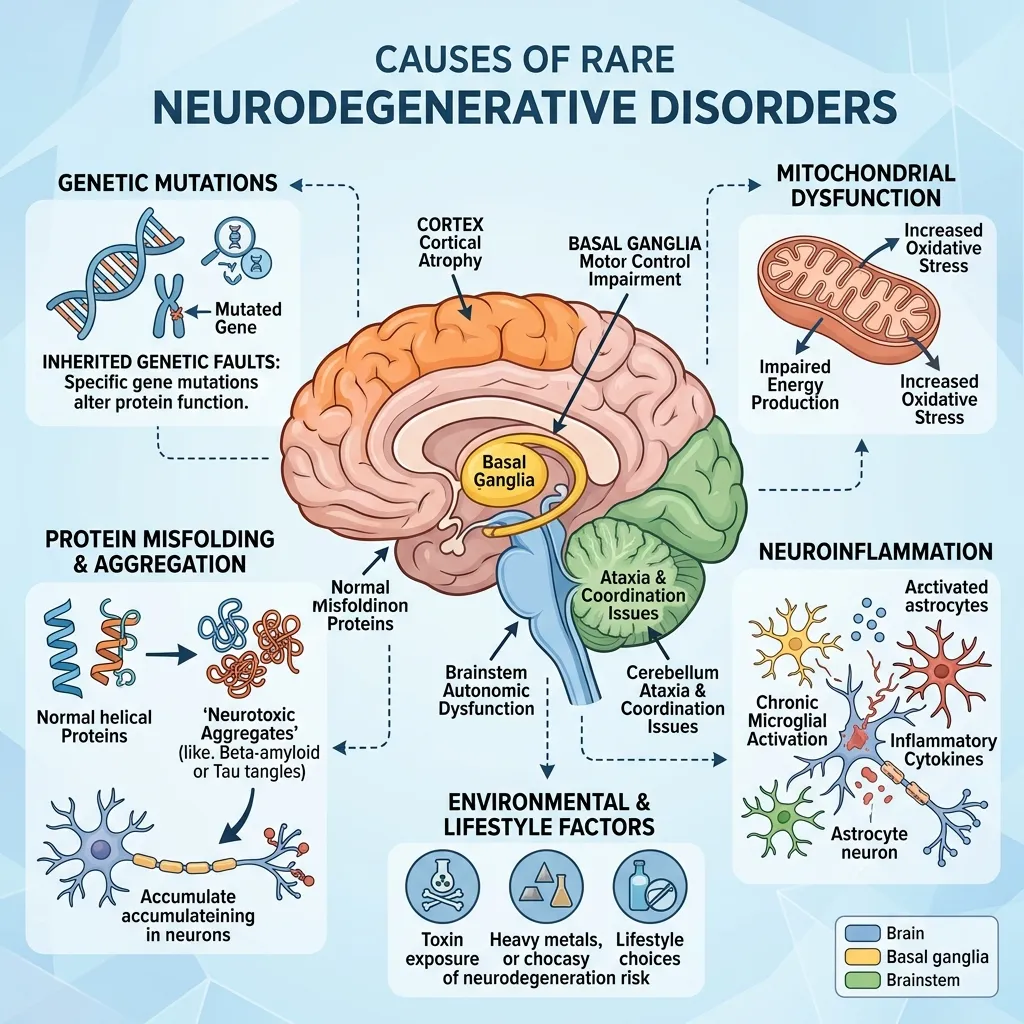
The causes of rare neurodegenerative disorders are varied and, in many cases, still being researched. The main categories include:
Genetic mutations
Many rare neurological disorders are caused by mutations in a single gene or a combination of genes. These mutations can cause proteins to misfold, accumulate abnormally, or fail to perform their protective functions. Spinocerebellar ataxia (SCA), for instance, involves mutations that lead to progressive deterioration of the cerebellum—the brain region responsible for coordination.
Prion disease
Conditions like Creutzfeldt-Jakob disease (CJD) and fatal familial insomnia are caused by abnormally shaped proteins called prions. These proteins trigger a chain reaction that destroys brain tissue rapidly. CJD affects approximately 1 to 2 people per million worldwide each year, according to the Centers for Disease Control and Prevention (CDC).
Mitochondrial dysfunction
Mitochondrial neurological diseases arise when the energy-producing structures within cells fail. Conditions such as Leigh syndrome and MELAS (mitochondrial encephalomyopathy, lactic acidosis, and stroke-like episodes) primarily affect tissues with high energy demands—especially the brain and muscles.
Unknown or multifactorial causes
For a significant number of rare neurological conditions, the exact cause remains unclear. Research suggests that a combination of environmental triggers, immune dysregulation, and genetic predisposition may all play a role.
Genetic Neurological Disorders: What You Need to Know About Treatment
Genetic neurological disorders are caused by inherited or de novo (new) mutations in a patient’s DNA. These disorders include conditions like:
- Huntington’s disease – caused by an expanded CAG repeat in the HTT gene
- Spinal muscular atrophy (SMA) – caused by mutations in the SMN1 gene
- Friedreich’s ataxia – caused by an intronic GAA repeat expansion in the FXN gene
- Rett syndrome – primarily caused by mutations in the MECP2 gene, almost exclusively affecting females
Treatment for genetic neurological disorders has historically focused on managing symptoms rather than addressing the underlying mutation. However, gene therapy has changed the landscape dramatically in recent years. Zolgensma (onasemnogene abeparvovec), approved by the FDA in 2019, targets the genetic root cause of SMA and has shown dramatic improvements in motor function in infants treated early. Similarly, RNA-based therapies are being investigated for Huntington’s disease, targeting the mutant HTT protein directly.
Choose genetic counseling if a family member has a confirmed genetic neurological disorder and you’re concerned about inheritance risk. Genetic testing can clarify mutation status and inform family planning decisions.
Pediatric Rare Neurological Conditions: How They Differ From Adult-Onset Disease
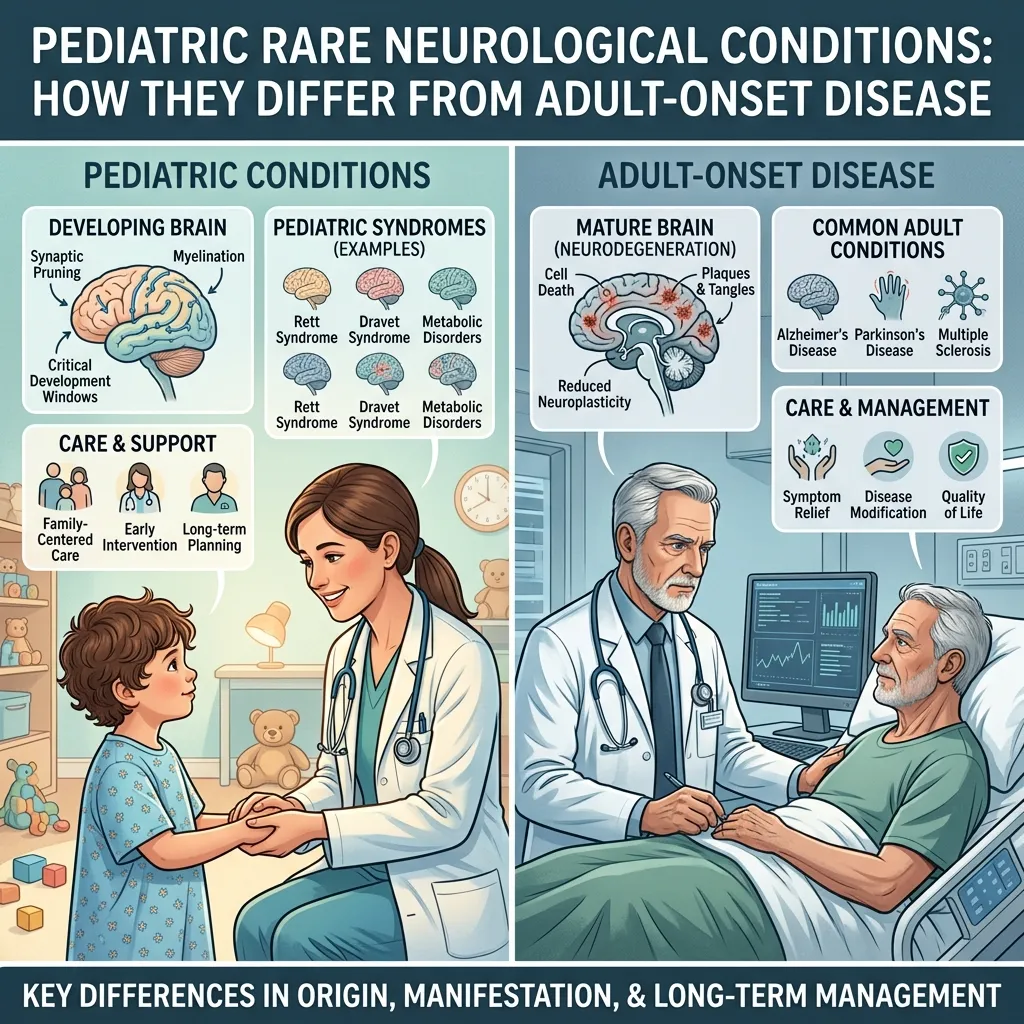
Rare neurological disorders in children often have a different presentation and trajectory than adult-onset conditions. Pediatric rare neurological conditions frequently involve developmental delay, regression, or failure to reach milestones rather than the progressive loss of previously acquired function typical in adult neurodegenerative disease.
Notable pediatric rare neurological conditions include:
- Batten disease (Neuronal Ceroid Lipofuscinoses) – a group of fatal lysosomal storage disorders causing seizures, vision loss, and cognitive decline in children
- Alexander disease – a rare leukodystrophy caused by mutations in the GFAP gene, affecting white matter development
- Dravet syndrome – a severe, treatment-resistant form of epilepsy beginning in infancy
- Angelman syndrome – a genetic disorder causing severe developmental delays and neurological problems
Early intervention is particularly critical in pediatric cases. The developing brain has a degree of neuroplasticity—the ability to adapt and reorganize—that diminishes with age. Identifying and treating rare neurological conditions early can meaningfully alter long-term outcomes.
Autoimmune Neurological Disorders: When the Immune System Attacks the Brain
Autoimmune neurological disorders occur when the immune system mistakenly targets components of the nervous system. These are distinct from infectious or degenerative causes and often respond to immunotherapy when identified correctly.
Rare autoimmune neurological disorders include:
- Anti-NMDA receptor encephalitis – causes psychiatric symptoms, seizures, and coma; often associated with ovarian teratomas in young women
- Neuromyelitis optica spectrum disorder (NMOSD) – targets the spinal cord and optic nerves via antibodies against aquaporin-4
- Stiff person syndrome – an extremely rare condition involving severe muscle rigidity and spasms, associated with GAD65 antibodies
- Autoimmune autonomic ganglionopathy – disrupts autonomic function through antibodies targeting ganglionic acetylcholine receptors
The diagnostic challenge with autoimmune neurological disorders is that they can closely mimic psychiatric conditions or more common neurological diseases. A lumbar puncture, MRI, and specific antibody panel are typically required to make the correct diagnosis. Early treatment with corticosteroids, intravenous immunoglobulin (IVIG), or plasmapheresis can lead to significant recovery—making timely diagnosis especially important.
How Are Rare Neurological Diseases Diagnosed?
Diagnosing a rare neurological disease is rarely straightforward. Because these conditions are uncommon, many physicians may not have direct clinical experience with them. The diagnostic process typically involves multiple steps:
Step 1: Clinical evaluation
A neurologist takes a detailed history and performs a neurological examination, assessing motor function, cognition, reflexes, coordination, and sensory responses.
Step 2: Neuroimaging
MRI and CT scans identify structural abnormalities, white matter changes, atrophy patterns, or lesions that can narrow the differential diagnosis.
Step 3: Electrodiagnostic testing
Electroencephalography (EEG) evaluates brain activity and seizure patterns. Electromyography (EMG) and nerve conduction studies (NCS) assess peripheral nerve and muscle function.
Step 4: Laboratory investigations
Blood and cerebrospinal fluid (CSF) analyses can detect autoimmune antibodies, metabolic abnormalities, genetic markers, or evidence of inflammation.
Step 5: Genetic testing
Next-generation sequencing (NGS), including whole exome or whole genome sequencing, has dramatically improved diagnostic yield for suspected genetic neurological disorders. According to a 2021 study published in Genetics in Medicine, whole exome sequencing achieves a diagnostic rate of approximately 25–35% in patients with undiagnosed neurological conditions.
Step 6: Referral to specialist centers
For the most complex cases, referral to academic medical centers or dedicated rare disease programs—such as the NIH Undiagnosed Diseases Program—can be critical.
What Treatment Options Exist for Rare Brain Disorders?
Treatment for rare brain disorders depends heavily on the underlying cause, the patient’s age, and the stage of the disease. Options include:
Symptomatic management: Anti-epileptic drugs, muscle relaxants, and cognitive supports remain the mainstay for many conditions where disease-modifying therapy doesn’t yet exist.
Disease-modifying therapies: A growing number of rare neurological disorders now have approved treatments targeting the disease mechanism. Nusinersen (Spinraza), an antisense oligonucleotide therapy for SMA, was the first FDA-approved treatment for the condition in 2016 and has significantly improved outcomes in affected children.
Gene therapy: Beyond SMA, gene therapy trials are underway for conditions including Batten disease, Friedreich’s ataxia, and various leukodystrophies.
Immunotherapy: For autoimmune neurological disorders, immunotherapy—including rituximab, mycophenolate mofetil, and azathioprine—can stabilize or reverse symptoms.
Palliative and supportive care: For conditions without effective disease-modifying therapy, palliative care focuses on quality of life, symptom relief, and psychosocial support for both patients and families.
Clinical trial participation: Given the limited approved options for many rare conditions, participation in clinical trials offers access to investigational therapies. The NIH’s ClinicalTrials.gov database lists thousands of actively recruiting studies for rare neurological conditions.
The Road Ahead: What the Future Holds for Rare Neurological Disorders
The rare neurological disease space is changing faster than at any point in medical history. Advances in genomics, RNA therapeutics, and precision medicine are delivering treatments for conditions once considered untreatable. The FDA’s Orphan Drug Designation program has incentivized pharmaceutical development in this space, leading to over 600 orphan drug approvals since 1983.
Patient advocacy organizations—including NORD, the Global Genes Project, and disease-specific foundations—are accelerating research by funding studies, connecting patients to trials, and pressuring for regulatory flexibility.
If you or a family member is navigating a rare neurological diagnosis, the most important steps are: seeking evaluation at a neurological center of excellence, connecting with a disease-specific patient advocacy group, and exploring clinical trial eligibility through ClinicalTrials.gov. The path forward may not be straightforward, but it is rarely without options.
Frequently Asked Questions
What qualifies as a rare neurological disorder?
A neurological condition is considered rare when it affects fewer than 200,000 people in the United States, per the Orphan Drug Act of 1983. Globally, definitions vary slightly, with the European Union setting the threshold at fewer than 1 in 2,000 people.
Are rare neurological disorders always genetic?
No. While many rare neurological conditions have a genetic basis, others are caused by autoimmune processes, prion proteins, mitochondrial dysfunction, or are of unknown origin. A thorough diagnostic workup is needed to determine the underlying cause for each individual.
How long does it take to get a diagnosis for a rare neurological condition?
According to NORD, patients with rare diseases wait an average of 4.8 years before receiving an accurate diagnosis. Neurological conditions are among the most diagnostically complex, so this timeline can be longer. Consulting a specialist or rare disease center can help shorten the diagnostic journey.
Can rare neurological disorders be cured?
Some rare neurological disorders now have disease-modifying or curative treatments, particularly those with a genetic basis that are amenable to gene therapy. However, many conditions still lack approved therapies, and treatment focuses on managing symptoms and preserving quality of life.
What is the best resource for finding clinical trials for rare neurological disorders?
ClinicalTrials.gov, maintained by the U.S. National Library of Medicine, is the most comprehensive resource. Disease-specific advocacy organizations often maintain their own clinical trial registries and can help patients determine eligibility.
Are rare neurological disorders more common in children or adults?
Both children and adults are affected, but many genetic and metabolic rare neurological disorders present in childhood due to their developmental impact. Neurodegenerative forms more commonly appear in adulthood, though pediatric-onset neurodegenerative diseases do exist.
What are rare neurological disorders?
Rare neurological disorders are uncommon conditions that affect the brain, spinal cord, peripheral nerves, or muscles. Individually rare, they collectively impact millions of people worldwide.
What causes rare neurological disorders?
Causes can include genetic mutations, autoimmune reactions, mitochondrial dysfunction, infections, prion diseases, and sometimes unknown factors.
What are the common symptoms of rare neurological disorders?
Symptoms may include muscle weakness, tremors, seizures, coordination problems, memory loss, speech difficulties, sensory changes, and cognitive impairment.
Are rare neurological disorders hereditary?
Some rare neurological disorders are inherited through genetic mutations, while others develop spontaneously or result from non-genetic causes.
How are rare neurological disorders diagnosed?
Diagnosis may involve neurological exams, MRI scans, EEG tests, blood work, genetic testing, and specialized evaluations at neurological centers.
Can rare neurological disorders be treated?
Treatment depends on the specific condition and may include medications, physical therapy, immunotherapy, gene therapy, or supportive care to manage symptoms.
What are examples of rare neurological disorders?
Examples include Huntington’s disease, Batten disease, Rett syndrome, Creutzfeldt-Jakob disease, Neuromyelitis Optica, and Dravet syndrome.
Are rare neurological disorders curable?
Some conditions have disease-modifying therapies or emerging gene treatments, but many currently focus on symptom management and improving quality of life.
Where can patients find support for rare neurological disorders?
Patients can seek support through neurologists, rare disease centers, patient advocacy organizations, support groups, and clinical trial programs focused on rare neurological disorders.