A health network platforms is a secure digital system that connects healthcare providers, patients, and administrators to improve communication, data sharing, and care coordination. It integrates tools like telemedicine, EHR systems, and cloud-based infrastructure to enhance patient outcomes, ensure compliance, and streamline operations across healthcare facilities.
A health network platform is a centralized digital infrastructure that connects healthcare providers, patients, and administrators to securely share medical data and coordinate care. These platforms integrate telemedicine, electronic health records (EHR), and communication tools to improve patient outcomes, ensure regulatory compliance, and reduce operational bottlenecks across medical facilities.
Modern healthcare relies heavily on seamless communication and rapid access to medical records. Hospitals, clinics, and independent practitioners face immense pressure to deliver high-quality care while managing complex administrative workflows. A disorganized system often leads to delayed treatments, frustrated patients, and exhausted medical staff.
To solve these operational challenges, medical organizations are actively transitioning to centralized digital infrastructures. A health network platform serves as the foundation for this transition. By unifying fragmented systems into a single operational hub, medical professionals can access comprehensive patient histories, consult with specialists remotely, and automate routine administrative tasks.
This comprehensive guide explores the core components of modern medical infrastructures. We will examine the specific technologies that drive these systems, the benefits they provide to both patients and providers, and the key factors healthcare administrators must consider when upgrading their digital capabilities.
How do digital health network solutions improve patient care?
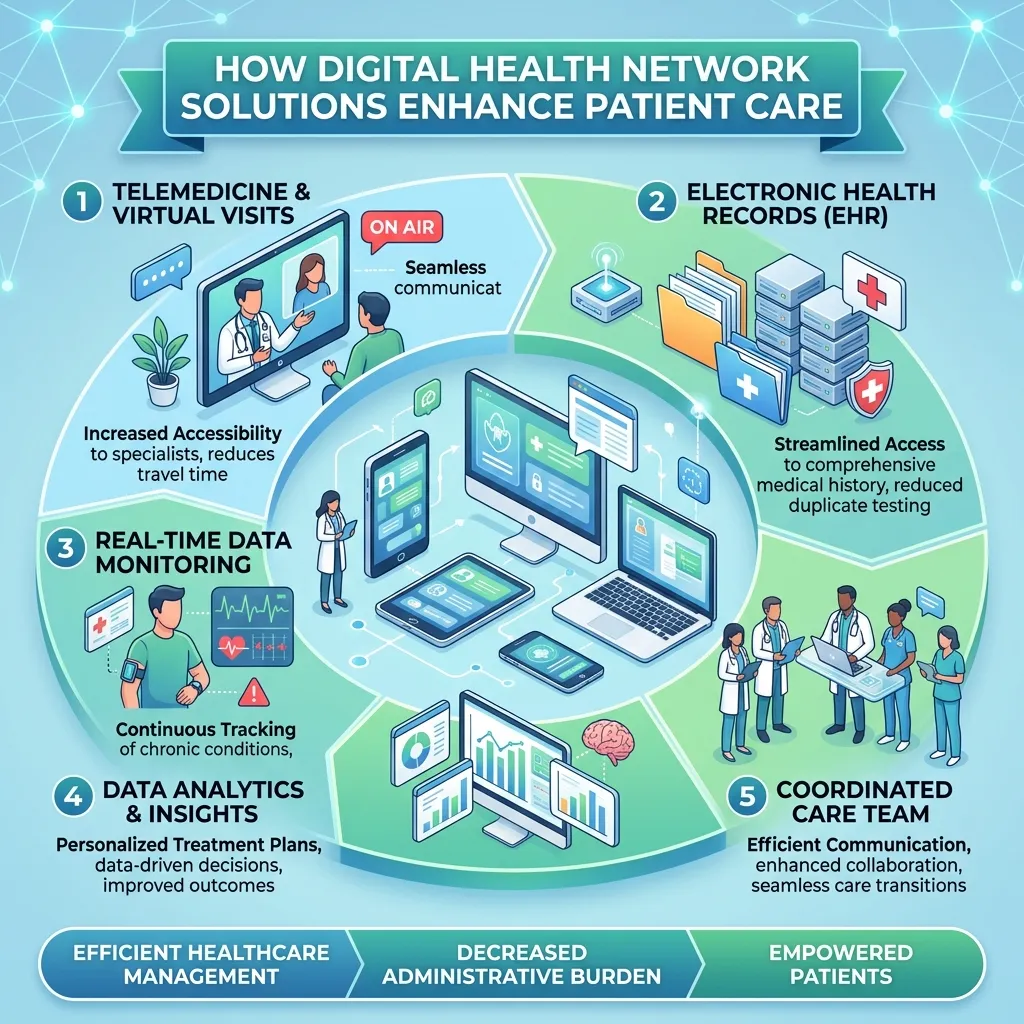
Digital health network solutions fundamentally change how medical professionals interact with their patients. By providing a unified dashboard for patient records, test results, and treatment plans, these solutions eliminate the need for redundant paperwork. Medical professionals can review a patient’s complete medical history in seconds, reducing the likelihood of diagnostic errors or adverse medication interactions.
Furthermore, digital health network solutions empower patients to take an active role in their own care. Secure patient portals allow individuals to view their lab results, schedule appointments, and request prescription refills without waiting on hold. This level of transparency builds trust between the patient and the healthcare provider. When patients have easy access to their own health data, they are more likely to adhere to treatment plans and attend follow-up appointments.
What is healthcare networking platform software used for?
Healthcare networking platform software is primarily used to establish secure, compliant connections between different medical facilities and departments. Hospitals often consist of multiple specialized units, such as cardiology, radiology, and pediatrics. Healthcare networking platform software ensures that a physician in one department can instantly access notes left by a specialist in another department.
This software also facilitates secure communication with external entities, such as pharmacies, insurance providers, and reference laboratories. Instead of relying on fax machines or unencrypted emails, medical staff use healthcare networking platform software to transmit sensitive information securely. This reduces administrative overhead and ensures that health organizations remain compliant with strict data privacy regulations like HIPAA (Health Insurance Portability and Accountability Act).
How does an online medical community platform connect professionals?
An online medical community platform functions as a secure, professional network designed specifically for healthcare workers. Physicians, nurses, and medical researchers use these platforms to discuss complex cases, share clinical insights, and seek advice from peers globally. By breaking down geographical barriers, an online medical community platform accelerates the dissemination of medical knowledge.
These platforms often include features like secure messaging, case study forums, and continuing medical education (CME) resources. A rural physician treating a patient with a rare condition can easily consult a specialist at a major research hospital through the online medical community platform. This collaborative environment ensures that medical professionals can access the collective expertise of their peers, ultimately leading to more accurate diagnoses and better patient outcomes.
Why implement a connected healthcare provider network system?
A connected healthcare provider network system is essential for organizations participating in value-based care models. In value-based care, providers are compensated based on patient health outcomes rather than the volume of services delivered. To succeed in this model, healthcare organizations must coordinate care across multiple disciplines and facilities. A connected healthcare provider network system enables this coordination by tracking patient progress across the entire continuum of care.
For example, if a patient undergoes surgery, the connected healthcare provider network system alerts the primary care physician, the physical therapist, and the home health nurse. Everyone involved in the patient’s recovery has access to the same surgical notes and discharge instructions. This synchronized approach prevents gaps in care, reduces hospital readmission rates, and improves the overall patient experience.
How does a patient health information network platform protect data?
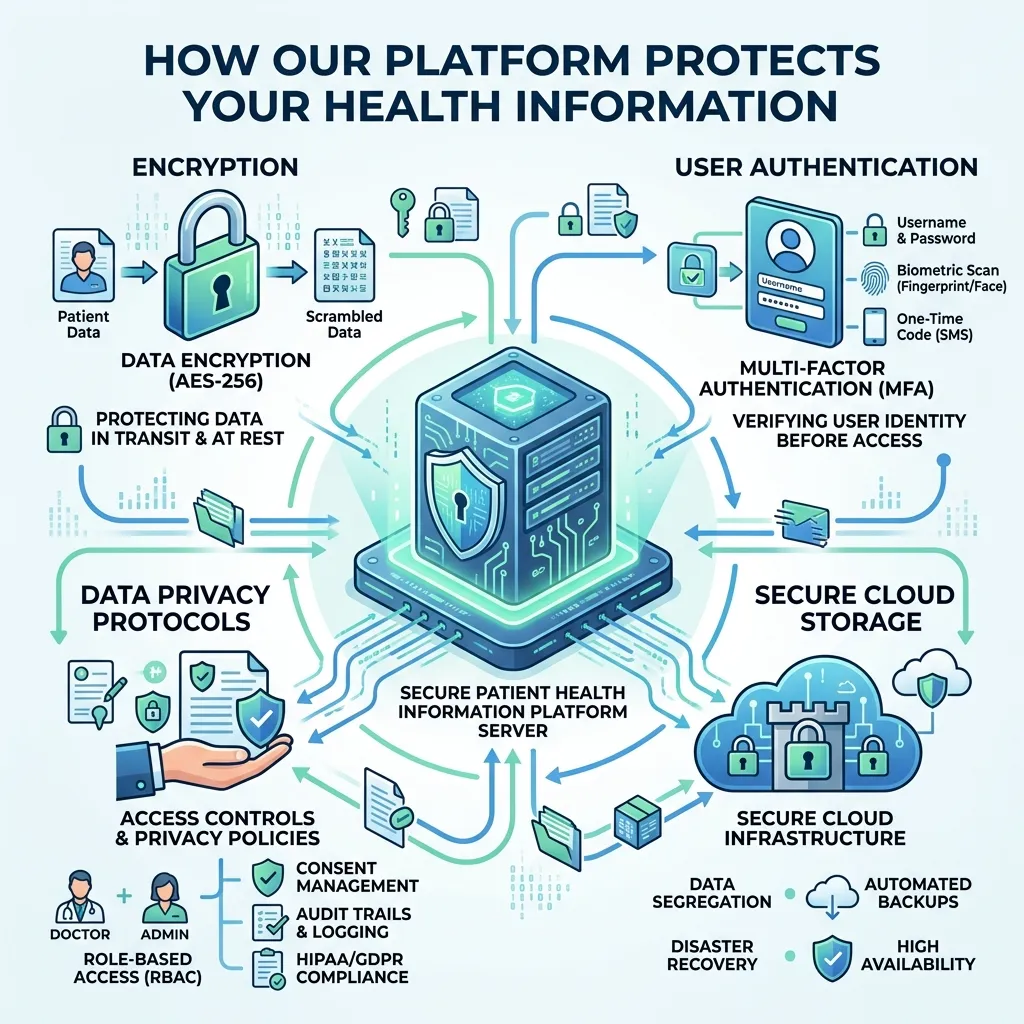
Data security is the most critical component of any digital healthcare initiative. A patient health information network platform utilizes advanced encryption protocols to protect sensitive medical data from unauthorized access and cyber threats. Data is encrypted both at rest (when stored on servers) and in transit (when being transmitted between devices).
In addition to encryption, a patient health information network platform employs strict access controls. Administrators can define user roles, ensuring that staff members only have access to the specific patient data required to perform their duties. The platform also maintains detailed audit logs, recording exactly who accessed a patient’s record, what changes were made, and when the access occurred. These robust security measures help organizations maintain regulatory compliance and protect patients from identity theft.
What are the benefits of telemedicine network platform services?
Telemedicine network platform services expand access to healthcare by allowing patients to consult with providers remotely. This is particularly beneficial for individuals living in rural areas, elderly patients with mobility issues, and busy professionals who cannot easily take time off work for a clinic visit. Telemedicine network platform services support secure video consultations, remote monitoring of vital signs, and digital prescription routing.
Beyond patient convenience, telemedicine network platform services help medical facilities optimize their resources. By shifting routine check-ups and minor urgent care visits to a virtual setting, clinics can free up physical exam rooms for patients requiring hands-on care. This reduces overcrowding in waiting rooms and allows providers to see more patients efficiently, increasing the overall capacity of the healthcare system.
How does a healthcare data sharing platform enable interoperability?
Interoperability refers to the ability of different information systems to connect and exchange data seamlessly. A healthcare data sharing platform achieves interoperability by utilizing standardized data formats, such as HL7 (Health Level Seven) and FHIR (Fast Healthcare Interoperability Resources). These standards ensure that an EHR system developed by one vendor can communicate effectively with an EHR system developed by another vendor.
When a patient visits a new specialist or goes to the emergency room while traveling, the attending physician uses the healthcare data sharing platform to retrieve the patient’s records from their primary care provider. This immediate access to historical medical data prevents unnecessary duplicate testing, speeds up the diagnostic process, and provides a comprehensive view of the patient’s health history.
Why choose a cloud-based health network system for your facility?
Legacy healthcare IT systems rely on physical servers housed within the hospital, requiring significant upfront capital and ongoing maintenance by an internal IT team. Conversely, a cloud-based health network system is hosted on remote servers managed by a third-party vendor. This architecture offers massive scalability, allowing healthcare organizations to expand their storage and computing resources seamlessly as their patient volume grows.
A cloud-based health network system also provides superior disaster recovery capabilities. Because data is stored off-site and automatically backed up across multiple data centers, facilities can quickly restore their systems in the event of a natural disaster or hardware failure. Furthermore, cloud vendors routinely push security patches and software updates automatically, ensuring the facility is always running the most secure and efficient version of the software.
How does a virtual health collaboration platform support teamwork?
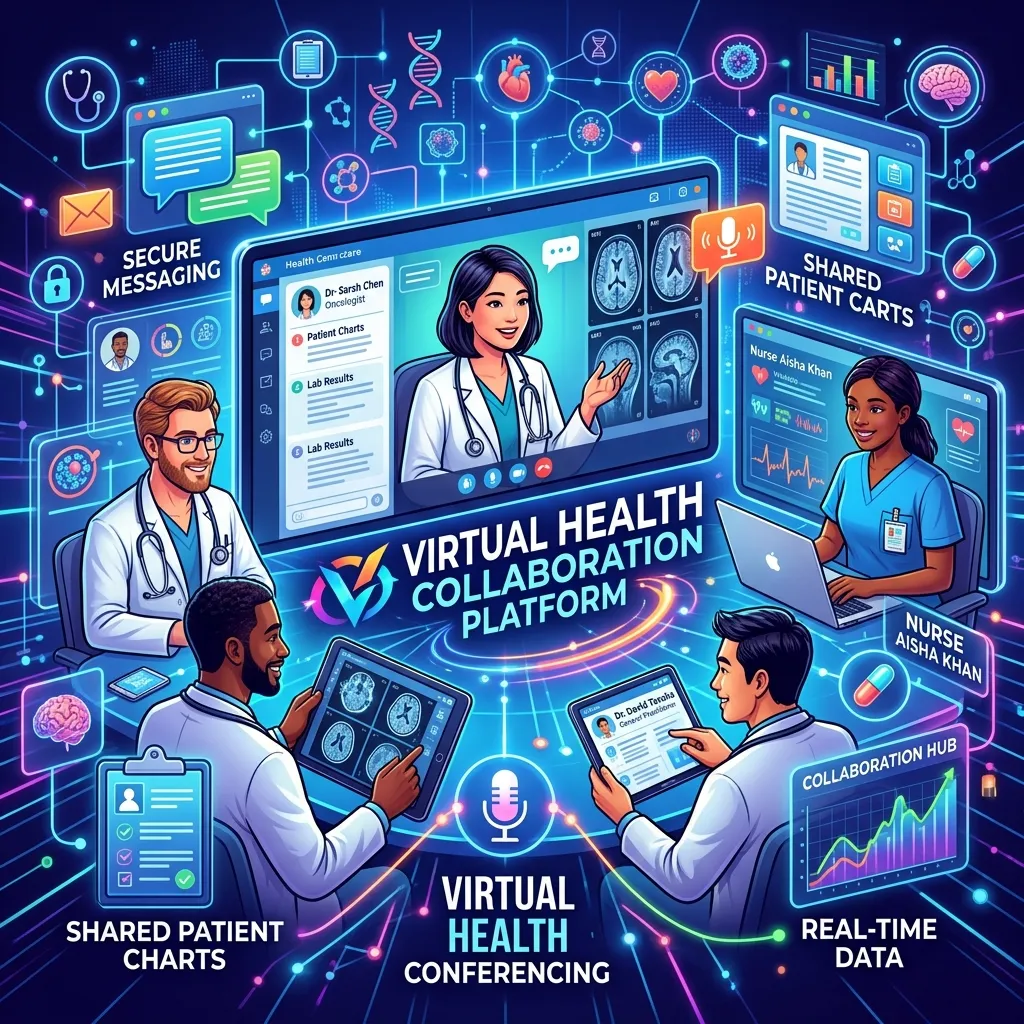
Healthcare is inherently collaborative, often requiring input from physicians, nurses, pharmacists, and social workers. A virtual health collaboration platform provides a centralized digital workspace where multidisciplinary teams can coordinate treatment plans. These platforms feature secure group messaging, shared task lists, and synchronized calendars, keeping everyone aligned on patient care objectives.
For instance, a tumor board discussing an oncology patient can use the virtual health collaboration platform to review pathology slides, share radiology reports, and formulate a targeted therapy plan simultaneously. By centralizing communication, the virtual health collaboration platform eliminates the confusion caused by disjointed email threads and endless phone tag, allowing the team to make critical medical decisions faster.
What makes an integrated healthcare communication platform effective?
An integrated healthcare communication platform brings all internal and external communication channels into a single interface. Medical staff can manage voice calls, secure text messages, paging systems, and video conferencing from one application. This integration reduces alert fatigue, a common issue where clinicians become overwhelmed by the sheer volume of notifications from multiple disconnected devices.
An effective integrated healthcare communication platform also routes alerts intelligently. If a patient’s heart rate monitor triggers an alarm, the platform sends a high-priority notification directly to the assigned nurse’s mobile device. If the nurse is busy with another patient, the system automatically escalates the alert to the charge nurse. This intelligent routing ensures critical situations are addressed immediately, improving patient safety and operational efficiency.
Next Steps for Upgrading Your Healthcare Infrastructure
Transitioning to a modern health network platform requires careful planning and strategic execution. Healthcare administrators must first conduct a comprehensive audit of their existing IT infrastructure to identify security vulnerabilities and operational bottlenecks. Following the audit, leadership should assemble a cross-functional committee including IT staff, clinicians, and administrative personnel to evaluate potential software vendors.
When evaluating vendors, prioritize platforms that offer robust data encryption, guaranteed uptime, and seamless interoperability through FHIR standards. Require prospective vendors to demonstrate exactly how their platform will integrate with your facility’s specific EHR system. Finally, allocate sufficient time and resources for comprehensive staff training prior to deployment, as user adoption is the ultimate determinant of any new technology’s success.
Frequently Asked Questions
What is the average cost to implement a health network platform?
The cost varies significantly based on the size of the facility and the specific features required. Small clinics might pay a monthly subscription fee ranging from $300 to $1,000 per provider for a cloud-based health network system. Large hospital networks often invest hundreds of thousands of dollars for customized enterprise deployments, integration services, and staff training.
How long does it take to deploy digital health network solutions?
Deployment timelines depend on the complexity of the integration and the volume of historical data that must be migrated. A standalone telemedicine network platform service can often be deployed in two to four weeks. However, migrating an entire hospital system to a comprehensive, integrated healthcare communication platform typically takes between six and twelve months.
Are cloud-based health network systems compliant with HIPAA?
Yes, reputable cloud-based health network systems are designed specifically to meet HIPAA requirements. They include features like end-to-end data encryption, rigorous access controls, and detailed audit trails. However, the healthcare facility must sign a Business Associate Agreement (BAA) with the cloud vendor to legally ensure HIPAA compliance.
How do health network platforms handle patient consent for data sharing?
Health network platforms include built-in consent management modules. During the intake process, patients use a secure portal to review privacy policies and electronically sign consent forms. The platform records these preferences and automatically restricts data sharing according to the patient’s specific instructions, ensuring compliance with both HIPAA and state-level privacy laws.
Can an online medical community platform integrate with existing EHR systems?
Yes, most modern online medical community platforms and healthcare networking platform software use open APIs (Application Programming Interfaces) to integrate with major EHR systems like Epic, Cerner, and Athenahealth. This integration allows physicians to easily attach relevant anonymized patient data or lab results when seeking peer consultations within the community platform.