
Understanding the Cyber Threat Landscape in Healthcare
Ransomware and Phishing Threats
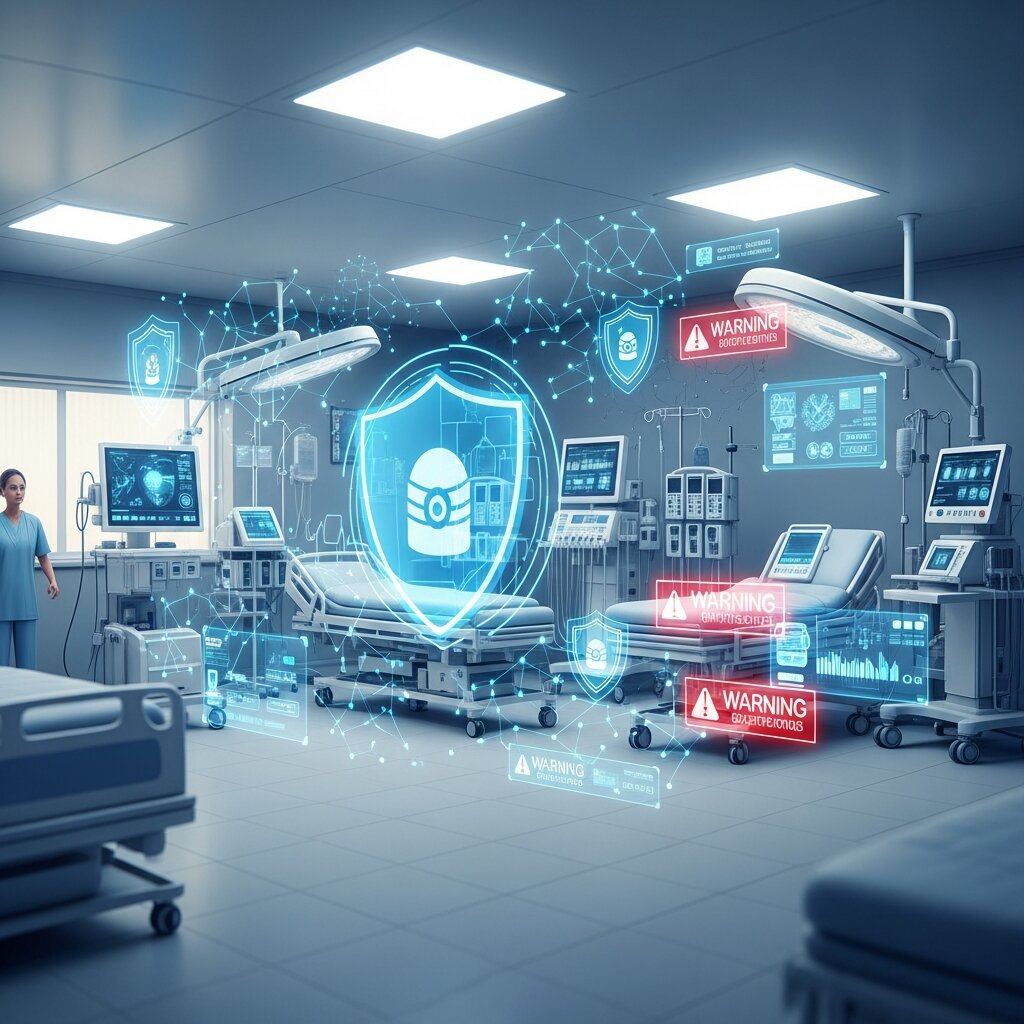
Organizations in the healthcare sector are prime targets for ransomware operators due to the critical nature of patient care and the high value of health records. Attackers often launch phishing campaigns to gain initial access by tricking staff into revealing credentials or downloading malicious attachments. Once inside the network, they encrypt key systems and demand payment for decryption keys, disrupting patient services and risking regulatory penalties. Understanding how social engineering techniques and exploit kits function is the first step toward securing health networks against these pervasive threats.
Risks from Connected Medical Devices
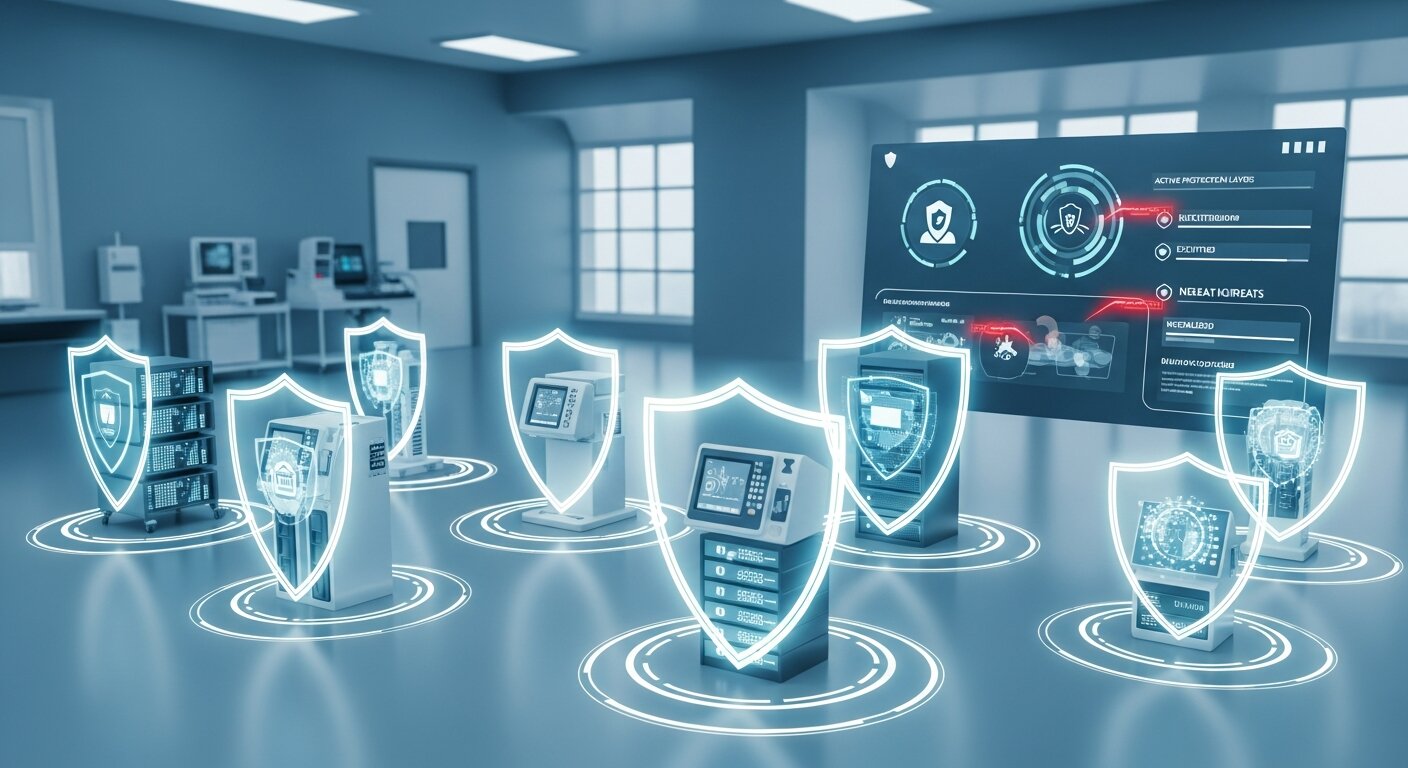
Medical devices such as infusion pumps, MRI scanners, and wearable monitors are increasingly network-enabled for remote diagnostics and data analytics. While these innovations improve patient care, they also introduce potential attack surfaces. Legacy firmware, default passwords, and unencrypted communication protocols can be exploited to compromise device integrity or pivot into critical systems. Healthcare organizations must inventory connected devices carefully and assess their security posture to minimize exposure and enhance overall network protection.
Evolving Tactics and Vulnerability Exploitation
Cybercriminals continuously refine their methods, leveraging zero-day vulnerabilities, supply chain weaknesses, and insider threats to bypass traditional defenses. Weak patch management practices, inadequate access controls, and unmonitored traffic often make network segmentation ineffective. By tracking threat intelligence feeds from reputable sources such as NIST and monitoring alerts from government agencies, institutions can stay informed about emerging risks and adjust their strategies for securing health networks accordingly.
Vulnerability Assessment and Risk Analysis
Network Scanning Techniques
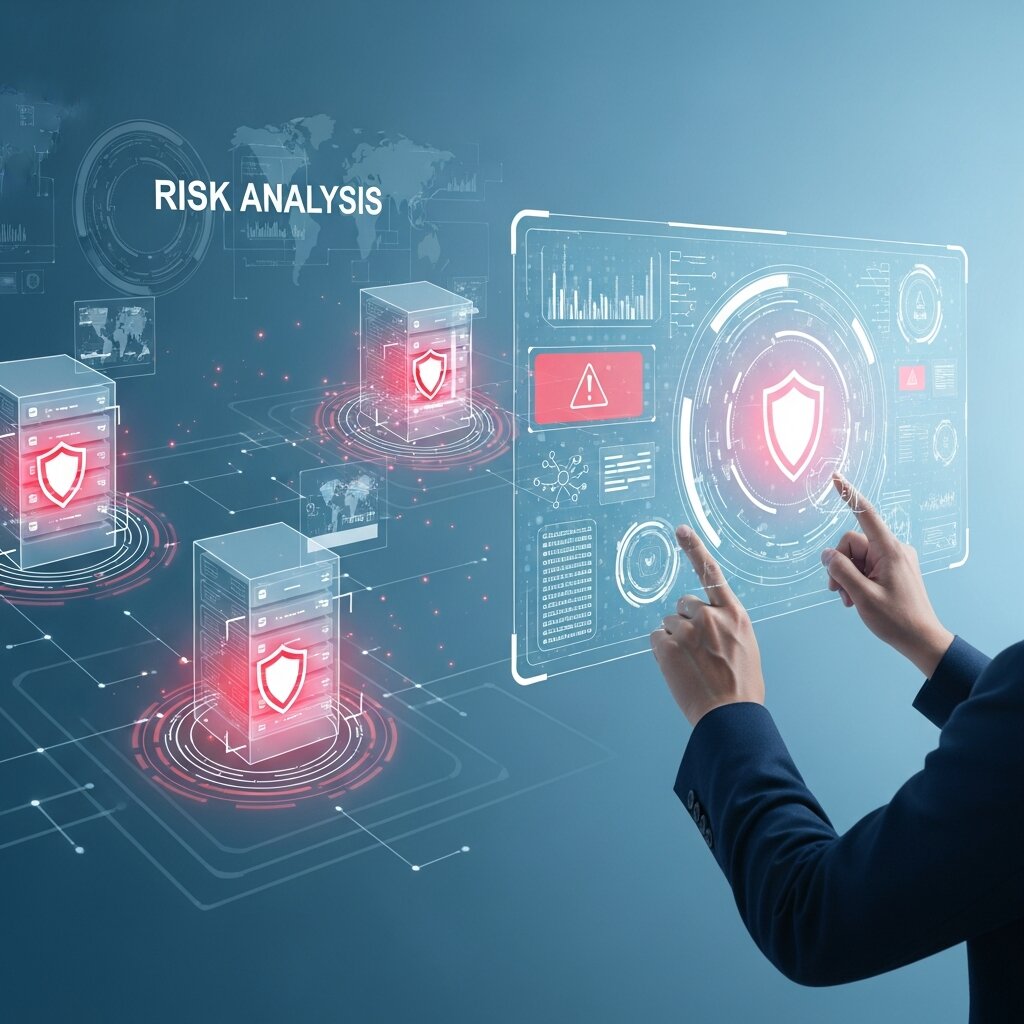
Effective vulnerability assessment begins with comprehensive network scanning. Automated tools can map devices, identify open ports, and detect outdated software versions or misconfigurations. Scanners should be configured to review both wired and wireless segments, ensuring that legacy systems and IoT endpoints are included in the audit. By cataloguing assets and their associated vulnerabilities, IT teams gain a clear understanding of potential entry points that threat actors could exploit.
Penetration Testing
Engaging ethical hackers to simulate real-world attacks provides practical insights into how adversaries might exploit vulnerabilities. Penetration tests can be scoped to focus on critical systems such as electronic health record databases, remote access gateways, and medical IoT devices. A well-conducted exercise uncovers weaknesses in authentication mechanisms, privilege escalation paths, and lateral movement options, enabling organizations to address gaps before they are discovered by malicious actors.
Risk Prioritization and Configuration Reviews
Once vulnerabilities are identified, healthcare providers must prioritize remediation based on potential impact and exploitability. Configuration reviews of firewalls, routers, and access control lists help confirm that security policies align with best practices. Default credentials should be replaced immediately, and audit logs must be enabled to track administrative actions. This systematic approach to risk analysis is essential for securing health networks and maintaining compliance with regulations.
Third-Party Audits and Continuous Monitoring
Cloud services, software vendors, and managed service providers form an integral part of modern health networks, but they can also introduce new risks. Third-party audits evaluate whether external partners meet established cybersecurity and privacy requirements. Continuous monitoring solutions feed real-time data into security information and event management systems, allowing rapid detection of anomalies and enabling proactive responses to threats as they emerge.
Layered Security Measures for Health Networks
Network Segmentation and Access Control
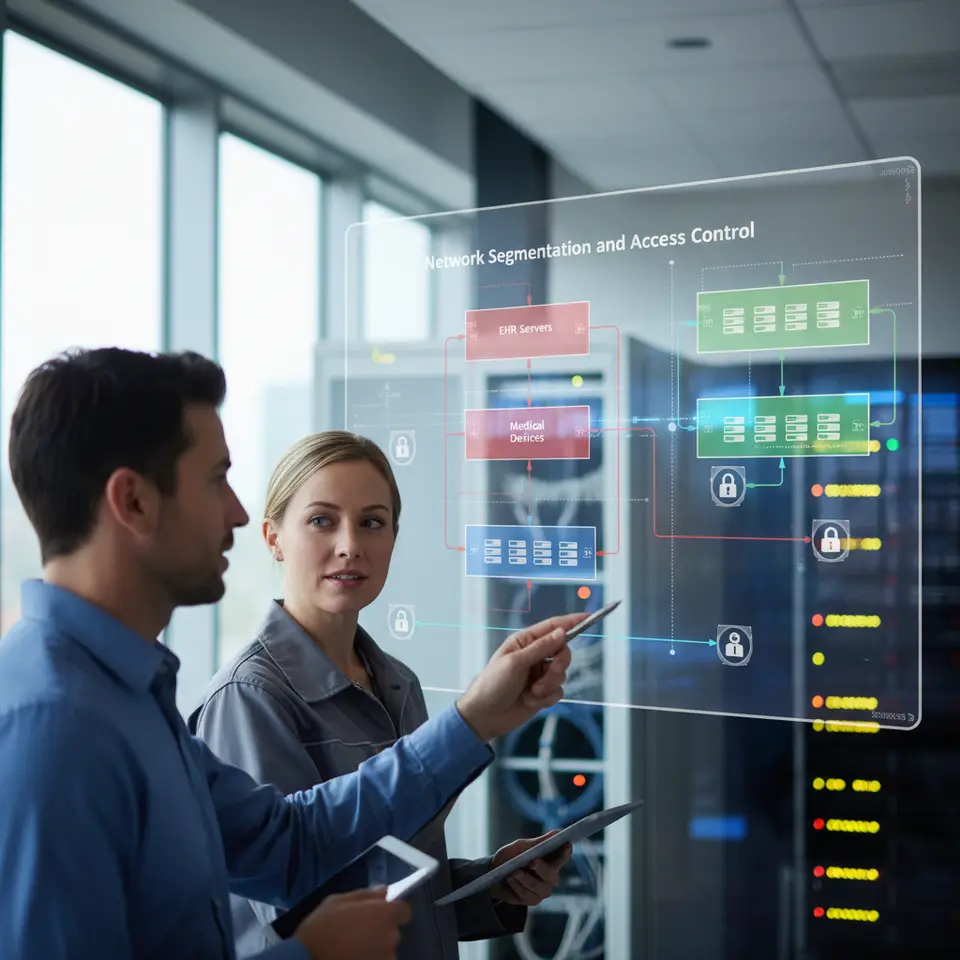
As part of securing health networks, network segmentation reduces the attack surface by isolating sensitive systems such as patient record servers and medical device subnets from general-purpose networks. Virtual LANs, microsegmentation, and software-defined perimeters can limit lateral movement and contain breaches. Role-based access control ensures that staff members only interact with systems necessary for their duties, reducing the risk of accidental or intentional misuse of data.
Encryption and Secure Remote Access
Encrypting data both at rest and in transit is a fundamental requirement for securing health networks. Implementing AES-256 or stronger encryption protocols for databases and file systems protects information even if storage media is compromised. Secure VPN connections with multi-factor authentication add an additional layer of defense for remote access, ensuring that only authorized personnel can retrieve or modify patient records and clinical applications.
Advanced Threat Protection
Deploying next-generation firewalls, intrusion detection and prevention systems, and endpoint detection and response platforms enhances visibility into network activity. Machine learning algorithms can sift through large volumes of telemetry data to identify anomalous behaviors indicative of an attack. Integrating threat intelligence feeds from agencies like CISA further strengthens detection capabilities and supports timely updates to security policies.
Patch Management and Endpoint Security
Automating patch deployments for operating systems, applications, and firmware on medical devices is critical for closing known vulnerabilities. Patch windows should be scheduled regularly to minimize exposure. Endpoint security solutions that enforce configuration baselines, application whitelisting, and device control can prevent unauthorized software installation and lateral spread of malware.
Cultivating a Security-First Culture
Continuous Training and Awareness
Human error remains one of the most significant factors in security incidents. Regular training sessions help employees understand the importance of strong passwords, proper device handling, and the risks of social engineering. By embedding security principles into daily workflows, organizations encourage staff to remain vigilant and responsive to emerging threats.
Phishing Simulations and Workshops
Simulated phishing campaigns test employee readiness by sending mock malicious emails and measuring response rates. Follow-up workshops analyze results and reinforce best practices for identifying suspicious links and attachments. This hands-on approach drives behavioral change and supports more effective reporting of potential incidents.
Establishing Clear Policies
Documented policies for acceptable use, remote work, incident reporting, and disciplinary actions clarify expectations and reduce ambiguity. Policies should be reviewed periodically to reflect technological advancements and regulatory updates. Clear guidelines empower staff members to make informed decisions and act swiftly when security concerns arise.
Executive Engagement and Metrics
Securing health networks requires strong commitment from top-level leadership. Executive sponsorship plays a critical role in ensuring cybersecurity is properly funded, prioritized, and integrated into overall business strategy. When leaders actively support security initiatives, organizations are better positioned to implement long-term improvements and respond effectively to emerging threats.
To strengthen oversight, security metrics should be embedded into organizational KPIs. Measures such as mean time to detect incidents, patch compliance rates, system uptime, and phishing simulation click-through rates help track performance and highlight weaknesses. Regular reporting and review of these metrics improve accountability across departments and support continuous improvement in securing health networks.
Incident Response Planning and Compliance
Preparing an Incident Response Team
A well-defined incident response plan outlines roles, responsibilities, and communication channels for handling security events. The IR team should include representatives from IT, clinical operations, legal, and public relations. Regular tabletop exercises rehearse scenarios and validate the effectiveness of response procedures, ensuring teams can mobilize quickly when real incidents occur.
Detection, Containment, and Recovery
Security information and event management platforms aggregate logs and alerts from across the network, enabling rapid detection of anomalous activities. Once a threat is identified, containment strategies—such as network segmentation or device isolation—limit damage. Eradication steps involve removing malware, closing exploited vulnerabilities, and restoring systems from verified backups to resume clinical operations with minimal disruption.
Post-Incident Analysis
After normal operations are restored, conducting a thorough root-cause analysis is essential for understanding how the incident occurred and what weaknesses were exposed. This process examines gaps in technology, security configurations, response procedures, and even human factors that may have contributed to the breach or disruption. By breaking down each stage of the incident, organizations gain valuable insights into how attackers bypassed controls and how response efforts performed in real time, which is crucial for improving securing health networks.
The lessons learned should directly inform updates to security policies, employee training programs, system configurations, and technical defenses. Strengthening these areas ensures that similar incidents are less likely to recur and that response times improve in future events. Sharing findings with regulatory bodies, cybersecurity partners, and industry peers also helps build collective awareness and strengthens overall resilience across the healthcare sector in securing health networks.
Regulatory Requirements and Notifications
Healthcare providers must comply with standards such as HIPAA and HITRUST as well as local data protection regulations. Regular internal and external audits verify that controls are effectively implemented. In the event of a breach, clear notification procedures are essential for meeting timelines set by regulators and maintaining trust with patients and partners. Consulting guidance from the U.S. Department of Health & Human Services ensures alignment with federal requirements.
Frequently Asked Questions
-
What is the primary goal of network segmentation in healthcare?
- Network segmentation aims to isolate critical systems such as electronic health records and medical device networks to reduce the attack surface, prevent lateral movement, and contain potential breaches. By implementing VLANs, microsegmentation, and software-defined perimeters, healthcare organizations can enforce strict access controls and limit unauthorized communication.
-
How can healthcare organizations ensure connected medical devices remain secure?
- To secure connected medical devices, institutions should inventory all network-enabled equipment, update default credentials, apply firmware patches regularly, and encrypt data transmissions. Conducting vulnerability assessments and isolating devices on segmented subnets further minimizes exposure to threats.
-
Why is continuous monitoring important for healthcare cybersecurity?
- Continuous monitoring provides real-time visibility into network activities, enabling rapid detection of anomalies and potential security incidents. By feeding logs and alerts into SIEM platforms and integrating threat intelligence, healthcare providers can respond proactively to emerging risks and maintain compliance with regulations.
-
What are the most common cyber threats in healthcare?
The most common threats include ransomware attacks, phishing campaigns, insider threats, and exploitation of vulnerabilities in medical devices and network systems.
Why are healthcare organizations targeted by hackers?
Healthcare data is highly valuable, and hospitals often rely on critical systems where downtime can be life-threatening, making them more likely to pay ransoms.
What is ransomware in healthcare cybersecurity?
Ransomware is malicious software that encrypts patient data or systems and demands payment for restoration, often disrupting hospital operations.
How do phishing attacks affect healthcare systems?
Phishing tricks staff into revealing login credentials or clicking malicious links, which can give attackers access to sensitive systems.
What risks do connected medical devices introduce?
Connected devices may have outdated firmware, weak passwords, or insecure protocols, making them entry points for cyberattacks.
What is vulnerability assessment in healthcare security?
It is the process of scanning networks and systems to identify security weaknesses that could be exploited by attackers.
Why is penetration testing important for hospitals?
Penetration testing simulates real cyberattacks to uncover vulnerabilities before hackers can exploit them.
What is network segmentation in healthcare cybersecurity?
It is the practice of dividing networks into isolated zones to prevent attackers from moving freely across systems.
How does encryption protect patient data?
Encryption secures data by converting it into unreadable formats unless accessed with the correct decryption key.
Why is employee training important for cybersecurity?
Human error is a major cause of breaches, so training helps staff recognize threats like phishing and follow security best practices.
What is an incident response plan?
It is a structured plan that defines how an organization detects, responds to, and recovers from cyber incidents.
How can healthcare organizations maintain compliance with regulations?
They must follow standards like HIPAA, conduct regular audits, implement strong security controls, and report breaches within required timelines.
Conclusion
Securing health networks demands a comprehensive approach that integrates technology, processes, and people. By understanding the evolving threat landscape, performing detailed risk assessments, and deploying layered defenses, healthcare institutions can protect sensitive data and ensure the continuity of critical services. Cultivating a security-first culture and maintaining rigorous incident response and compliance practices further reinforce organizational resilience. In today’s environment, investing in robust cybersecurity measures is not optional—it is essential for delivering safe, reliable patient care. Embrace these best practices to strengthen your health network and safeguard patient trust today.